
Best Universities in Turkey 2026
Turkey (officially Türkiye) is one of the most dynamic and affordable study destinations in the world, uniquely straddling Europe and Asia with a rich tapestry of history, culture, and academic tradition.
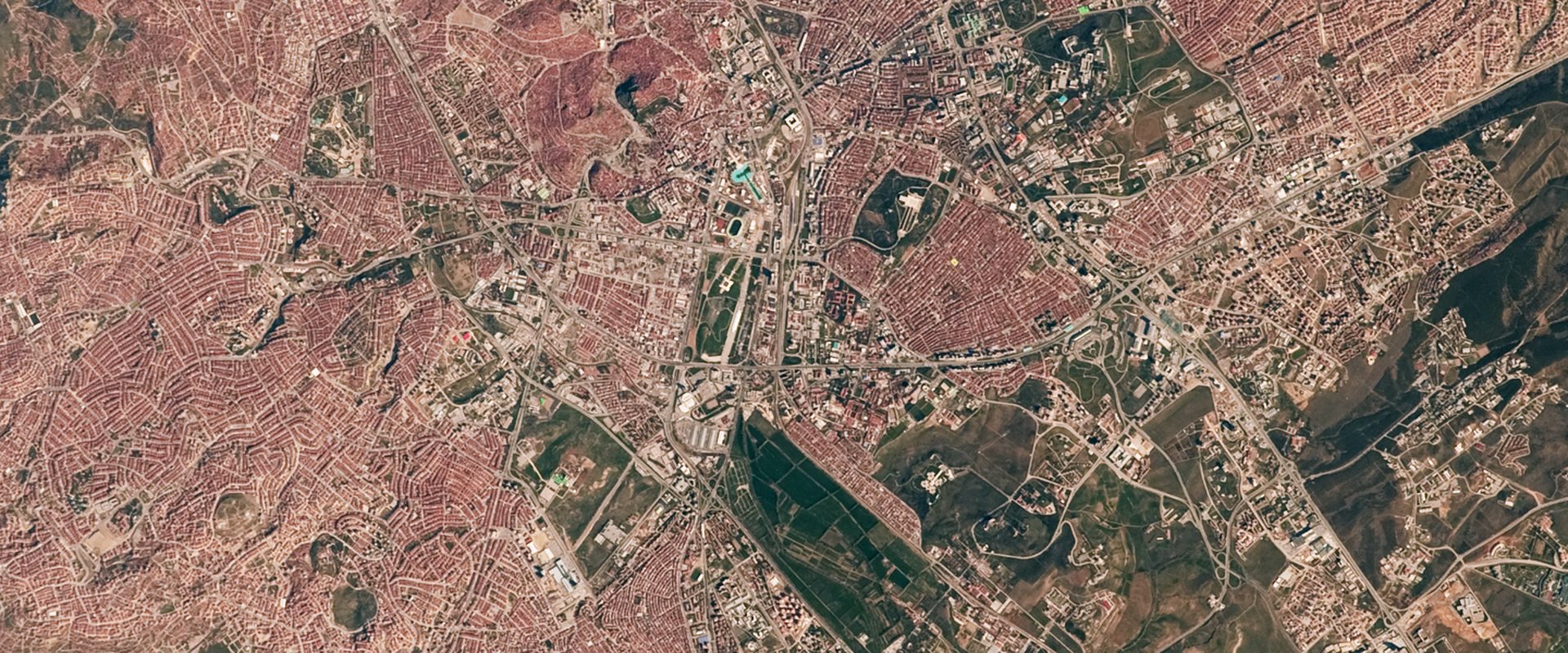
The best universities in Turkey in 2026 are Middle East Technical University (METU), Boğaziçi University, and Koç University. Turkey has 210+ higher education institutions. Tuition fees at public universities average TRY 1,000 – 10,000/year ($30 – $300) for nationals; $500 – $4,000/year for internationals. The average cost of living for students is approximately $400 – $700/month.
Turkey at a Glance
| Total Universities | ~210 universities (130 public, 80 foundation/private) |
| International Students | 250,000+ (one of the fastest growing destinations globally) |
| Tuition (Public) | TRY 5,000–80,000/year (USD 150–2,400; varies by programme) |
| Tuition (Foundation/Private) | TRY 100,000–500,000/year (USD 3,000–15,000) |
| Living Costs | TRY 10,000–25,000/month (USD 300–750; Istanbul higher, Anatolian cities very affordable) |
| Language of Instruction | Turkish & English (many top universities teach entirely in English) |
| Academic Year | September/October – June (2 semesters) |
| Top Student City | Istanbul (QS Best Student Cities top 50; largest student population in Europe) |
| Student Visa | Student Residence Permit (&idot;kamet izni) via e-visa + local police registration |
| Admission Exam | YÖS (Yabancı Öĝrenci Sınavı) for international undergraduate applicants |
| Flagship Scholarship | Türkiye Scholarships – full tuition, accommodation, stipend, health insurance, flights |
Source: Compiled from QS World University Rankings, Times Higher Education, and ARWU 2026 data.
What Are the Top Universities in Turkey for 2026?
| Rank (TR) | University | City | World Rank (QS 2026) | Founded | Students | Type | Tuition Intl./Year |
|---|---|---|---|---|---|---|---|
| 1 | Koç University | Istanbul | #431 | 1993 | 7,500+ | Foundation (Private) | TRY 250,000–450,000 (USD 7,500–13,500) |
| 2 | Middle East Technical University (METU / ODTÜ) | Ankara | #495 | 1956 | 28,000+ | Public | TRY 10,000–40,000 (USD 300–1,200) |
| 3 | Sabancı University | Istanbul | #498 | 1994 | 5,000+ | Foundation (Private) | TRY 200,000–400,000 (USD 6,000–12,000) |
| 4 | Bilkent University | Ankara | #521–530 | 1984 | 13,000+ | Foundation (Private) | TRY 180,000–350,000 (USD 5,400–10,500) |
| 5 | Boĝaziçi University | Istanbul | #551–600 | 1863 | 17,000+ | Public | TRY 5,000–30,000 (USD 150–900) |
| 6 | Istanbul Technical University (ITU / İTÜ) | Istanbul | #551–600 | 1773 | 37,000+ | Public | TRY 8,000–40,000 (USD 240–1,200) |
| 7 | Hacettepe University | Ankara | #601–650 | 1967 | 42,000+ | Public | TRY 8,000–50,000 (USD 240–1,500) |
| 8 | Ankara University | Ankara | #651–700 | 1946 | 65,000+ | Public | TRY 5,000–35,000 (USD 150–1,050) |
| 9 | Istanbul University | Istanbul | #651–700 | 1453 | 75,000+ | Public | TRY 5,000–35,000 (USD 150–1,050) |
| 10 | Özyêgin University | Istanbul | #701–750 | 2007 | 8,000+ | Foundation (Private) | TRY 150,000–300,000 (USD 4,500–9,000) |
| 11 | Ege University | Izmir | #701–750 | 1955 | 55,000+ | Public | TRY 5,000–30,000 (USD 150–900) |
| 12 | Gazi University | Ankara | #751–800 | 1926 | 50,000+ | Public | TRY 5,000–30,000 (USD 150–900) |
| 13 | Dokuz Eylül University | Izmir | #751–800 | 1982 | 55,000+ | Public | TRY 5,000–30,000 (USD 150–900) |
| 14 | Yıldız Technical University | Istanbul | #801–850 | 1911 | 27,000+ | Public | TRY 5,000–35,000 (USD 150–1,050) |
| 15 | Atatürk University | Erzurum | #801–850 | 1957 | 50,000+ | Public | TRY 5,000–25,000 (USD 150–750) |
| 16 | Marmara University | Istanbul | #801–850 | 1883 | 60,000+ | Public | TRY 5,000–30,000 (USD 150–900) |
| 17 | Gebze Technical University | Kocaeli | #851–900 | 1992 | 5,000+ | Public | TRY 5,000–25,000 (USD 150–750) |
| 18 | İhsan Doĝramacı Bilkent University | Ankara | See #4 (Bilkent) | 1984 | 13,000+ | Foundation (Private) | See rank #4 |
| 18 | Anadolu University | Eski&scommabelow;ehir | #901–950 | 1958 | 1,800,000+ (incl. distance) | Public | TRY 5,000–25,000 (USD 150–750) |
| 19 | Erciyes University | Kayseri | #901–950 | 1978 | 45,000+ | Public | TRY 5,000–25,000 (USD 150–750) |
| 20 | Izmir Institute of Technology (IYTE) | Izmir | #951–1000 | 1992 | 4,000+ | Public | TRY 5,000–25,000 (USD 150–750) |
Rankings based on the QS World University Rankings 2026. Turkey’s higher education system includes both state (public) universities and foundation (vakıf) universities, which are non-profit private institutions. Foundation universities like Koç, Sabancı, and Bilkent often offer generous merit-based scholarships covering 25–100% of tuition. Boĝaziçi University, founded in 1863 as Robert College, is the oldest American institution of higher education outside the United States. Istanbul University (founded 1453) is one of the oldest universities in the world. Istanbul Technical University (1773) is one of the world’s oldest technical universities.
Why Study in Turkey?
Turkey stands at the crossroads of civilisations – a country where East meets West in every sense. For international students, this translates into a unique educational experience that combines Western academic standards with the cultural richness of the Middle East, Central Asia, and the Mediterranean. Here are the key reasons Turkey has emerged as one of the fastest-growing study destinations globally:
- Unbeatable affordability: Public university tuition for international students starts at just TRY 5,000 per year (USD 150) – making Turkey one of the cheapest countries in the world for a quality degree. Even top foundation universities rarely exceed USD 15,000/year, and generous scholarships bring costs even lower. Combined with low living costs (USD 300–750/month), Turkey offers arguably the best value-for-money higher education on the planet.
- World-class institutions: Turkey has over 210 universities, many of which rank in the global top 500–1000. Institutions like Koç, METU, Sabancı, and Boĝaziçi are internationally respected, with faculty educated at top US and European universities, cutting-edge research facilities, and strong industry connections.
- Extensive English-taught programmes: Unlike many non-English-speaking countries where English options are limited, Turkey offers thousands of English-taught degree programmes at all levels. The “Big Three” engineering schools (METU, ITU, Boĝaziçi) teach almost entirely in English, and foundation universities like Koç and Bilkent are fully English-medium.
- Türkiye Scholarships: The Turkish government’s flagship scholarship is one of the most comprehensive in the world, covering tuition, accommodation, stipend, health insurance, flights, and even a year of Turkish language training. No other government scholarship programme of this scale offers such complete coverage.
- Strategic location: Turkey’s position connecting Europe, the Middle East, Central Asia, and Africa makes it an ideal base for students interested in international business, diplomacy, regional studies, or simply experiencing multiple cultures. Istanbul alone connects to over 300 global destinations via Turkish Airlines.
- Growing economy & career opportunities: Turkey has the 19th largest economy in the world and is a member of the G20. Booming sectors in defence technology, automotive manufacturing, construction, tourism, and fintech create opportunities for graduates. Major multinational companies (Google, Microsoft, Siemens, Bosch, Ford) have operations in Turkey.
- Rich cultural experience: Few countries can match Turkey’s cultural depth – from the Byzantine mosaics of Istanbul to the ancient Lycian tombs of the Mediterranean coast, from the thermal pools of Pamukkale to the surreal landscapes of Cappadocia. Studying in Turkey means immersing yourself in 10,000+ years of continuous civilisation.
What Is the Higher Education System Like in Turkey?
Turkey’s higher education system is overseen by YÖK (Yükseköĝretim Kurulu / Council of Higher Education) and has undergone massive expansion since the 2000s. The system follows the Bologna Process, making Turkish degrees compatible with the European Higher Education Area (EHEA). Key features include:
- Two types of universities: Devlet üniversiteleri (state/public universities) are funded by the government and charge minimal tuition. Vakıf üniversiteleri (foundation universities) are non-profit private institutions established by charitable foundations – they charge higher tuition but often provide substantial merit-based scholarships.
- Degree structure: Bachelor’s degrees typically take 4 years (6 years for medicine, 5 for architecture, dentistry, veterinary, and pharmacy). Master’s programmes are 1.5–2 years (with or without thesis). PhD programmes take 3–4 years. Associate degrees are 2 years.
- ECTS credits: All Turkish universities use the European Credit Transfer System, making it straightforward to transfer credits between Turkish and European institutions.
- YÖS and admission: International students seeking undergraduate admission to public universities typically take the YÖS exam, which tests mathematics and analytical reasoning. Foundation universities often accept SAT, ACT, IB, A-Levels, or national exam results. Graduate admission is based on transcripts, language scores, and sometimes GRE/GMAT.
- Language of instruction: Programmes may be offered in Turkish, English, or a mix (e.g., 30% English). Universities offering English-medium instruction require proof of English proficiency (TOEFL, IELTS) or passing the university’s own proficiency exam. A 1-year preparatory programme (Hazırlık) is available for students who need to improve their language skills before starting their degree.
- Quality assurance: YÖKAK (Higher Education Quality Board of Turkey) conducts institutional accreditation reviews. Many engineering programmes hold ABET or MÜDEK accreditation, and business schools pursue AACSB, EQUIS, and AMBA. Medical faculties are subject to TİPDEK accreditation standards.
What Are the Best Universities in Turkey for Medicine?
Medical education in Turkey takes 6 years (Tıp Fakültesi) followed by the TUS (Tıpta Uzmanlık Sınavı) national specialisation exam. Turkey has become a major hub for international medical students due to its extremely affordable tuition, modern teaching hospitals, and a growing number of English-taught medical programmes. International students apply through YÖS exam results or direct application to universities offering English-medium medicine. Turkish medical degrees are recognised in many countries and can be validated across Europe through the Bologna Process. Turkey is also a global leader in health tourism and transplant surgery, which means medical students gain exposure to a high volume and wide variety of clinical cases. Several Turkish universities now offer complete 6-year medical programmes taught in English, including Koç University, Bahçe&scommabelow;ehir University, and İstinye University, making Turkey one of the most accessible countries for international medical students.
| Rank | University | City | Teaching Hospital | Specialties |
|---|---|---|---|---|
| 1 | Hacettepe University | Ankara | Hacettepe University Hospitals (1,000+ beds) | Oncology, Paediatrics, Neurosurgery, Transplant Medicine, Genetics |
| 2 | Istanbul University | Istanbul | Istanbul Faculty of Medicine Hospital, Cerrahpa&scommabelow;a Faculty | Cardiology, Internal Medicine, General Surgery, Pathology |
| 3 | Ankara University | Ankara | Ankara University İbni Sina Hospital | Gastroenterology, Rheumatology, Dermatology, Emergency Medicine |
| 4 | Koç University School of Medicine | Istanbul | Koç University Hospital (American Hospital partnership) | Biomedical Sciences, Clinical Research, Surgery, Molecular Medicine |
| 5 | Ege University | Izmir | Ege University Hospital (2,000+ beds) | Oncology, Transplant Surgery, Nuclear Medicine, Pulmonology |
What Are the Best Universities in Turkey for Engineering?
Turkey is a powerhouse for engineering education, with several universities ranking among the best in the developing world. METU, ITU, and Boĝaziçi are often called the “Big Three” of Turkish engineering, producing graduates sought after by global tech companies and engineering firms. Many engineering programmes are taught entirely in English, making Turkey particularly attractive for international students seeking affordable, high-quality technical education. Turkey’s rapidly growing defence and aerospace industry (ASELSAN, TUSAS/TAI, Baykar) has created enormous demand for engineers, and graduates from top Turkish engineering schools regularly find positions at companies like Google, Microsoft, Boeing, and Airbus. The METU Technopolis science park alone hosts over 400 technology companies, creating a vibrant ecosystem where academic research translates directly into industry innovation.
| Rank | University | City | Top Fields | Industry Partners |
|---|---|---|---|---|
| 1 | Middle East Technical University (METU) | Ankara | Electrical, Mechanical, Computer, Aerospace, Civil | ASELSAN, HAVELSAN, TUSAS, Microsoft, Google, Boeing |
| 2 | Istanbul Technical University (ITU) | Istanbul | Civil, Naval Architecture, Geomatics, Chemical, Textile | Turkish Airlines, Ford Otosan, Türk Telekom, Arçelik |
| 3 | Boĝaziçi University | Istanbul | Computer, Electrical, Industrial, Chemical, Mechanical | Google, Amazon, Intel, Siemens, Vestel, Huawei |
| 4 | Koç University | Istanbul | Computer, Industrial, Electrical, Mechanical | Koç Holding, Ford, Siemens, Bosch, Turkcell |
| 5 | Bilkent University | Ankara | Electrical, Computer, Mechanical, Industrial | ASELSAN, Havelsan, Roketsan, Meteksan, STM |
Best Turkish Universities for Business & MBA
Turkey’s strategic position between Europe, the Middle East, and Central Asia makes it an excellent base for business education. Turkish business schools offer internationally accredited MBA and management programmes at a fraction of the cost of US or European equivalents. Koç University and Sabancı University hold AACSB, EQUIS, and AMBA accreditations – the “triple crown” of business school quality. Istanbul’s position as a global financial centre, home to the Borsa Istanbul stock exchange and regional headquarters of dozens of multinational corporations, provides business students with unparalleled networking and internship opportunities. MBA graduates from top Turkish programmes report strong placement rates in consulting, banking, technology, and FMCG sectors across Turkey, the Middle East, and Europe.
| Rank | University | Programme | Accreditation | Key Strengths |
|---|---|---|---|---|
| 1 | Koç University Graduate School of Business | MBA, EMBA, MS Finance | AACSB, EQUIS | Global rankings, corporate partnerships, bilingual programmes |
| 2 | Sabancı University School of Management | MBA, EMBA, PhD | AACSB, EQUIS, AMBA | Triple-crown accreditation, innovation focus, diverse cohort |
| 3 | Bilkent University Faculty of Business | MBA, BBA | AACSB | Strong quantitative focus, research output, scholarship support |
| 4 | Boĝaziçi University Department of Management | MBA, EMBA | AACSB candidate | Historic reputation, extensive alumni network in Turkish industry |
| 5 | Özyêgin University Faculty of Business | MBA, BBA | AACSB | Entrepreneurship focus, Istanbul business connections, modern campus |
How Much Does It Cost to Study in Turkey?
| Expense | Annual Cost (TRY) | Approx. USD | Notes |
|---|---|---|---|
| Tuition (Public) | TRY 5,000–80,000 | USD 150–2,400 | Varies by programme; medicine & engineering at the higher end; arts & humanities lower |
| Tuition (Foundation/Private) | TRY 100,000–500,000 | USD 3,000–15,000 | Koç, Sabancı, Bilkent highest; generous scholarships available (25–100%) |
| Accommodation | TRY 24,000–96,000 | USD 720–2,880 | TRY 2,000–8,000/month; KYK state dormitories very cheap; private dorms & shared flats available |
| Food & Groceries | TRY 18,000–36,000 | USD 540–1,080 | TRY 1,500–3,000/month; university canteens TRY 30–80/meal; street food TRY 50–100 |
| Transport | TRY 3,600–7,200 | USD 108–216 | TRY 300–600/month; student İstanbulkart, Ankarakart, İzmirkart heavily discounted |
| Health Insurance | TRY 0–6,000 | USD 0–180 | Türkiye Scholarships includes free coverage; others: SGK (state) or private insurance |
| Books & Materials | TRY 2,000–5,000 | USD 60–150 | University libraries well-stocked; digital resources widely available |
| Personal & Leisure | TRY 12,000–30,000 | USD 360–900 | TRY 1,000–2,500/month; cinemas, cafes, travel within Turkey all very affordable |
| TOTAL (Public Uni) | TRY 65,000–260,000 | USD 1,950–7,800 | One of the most affordable study destinations in the world |
Cost of Living by City
| City | Avg. Rent/Month (TRY) | Overall Cost/Month (TRY) | Approx. USD/Month | Top Universities |
|---|---|---|---|---|
| Istanbul | TRY 6,000–12,000 | TRY 12,000–25,000 | USD 360–750 | Koç, Boĝaziçi, ITU, Sabancı, Istanbul University, Marmara, Yıldız |
| Ankara | TRY 4,000–8,000 | TRY 9,000–18,000 | USD 270–540 | METU, Bilkent, Hacettepe, Ankara University, Gazi |
| Izmir | TRY 4,500–9,000 | TRY 9,500–19,000 | USD 285–570 | Ege University, Dokuz Eylül, IYTE |
| Antalya | TRY 4,000–7,500 | TRY 8,500–16,000 | USD 255–480 | Akdeniz University, Antalya Bilim University |
| Bursa | TRY 3,500–6,500 | TRY 8,000–15,000 | USD 240–450 | Uludaĝ University (Bursa Uludaĝ) |
| Eski&scommabelow;ehir | TRY 2,500–5,000 | TRY 6,500–12,000 | USD 195–360 | Anadolu University, Eski&scommabelow;ehir Osmangazi University |
| Konya | TRY 2,500–5,000 | TRY 6,000–11,500 | USD 180–345 | Selçuk University, Necmettin Erbakan University |
Türkiye Scholarships – Full Government Scholarship
The Türkiye Scholarships (Türkiye Bursları) programme is one of the most generous government scholarship programmes in the world, funded by the Republic of Türkiye and managed by the Presidency for Turks Abroad and Related Communities (YTB). It is open to international students from all countries and covers virtually every cost of studying in Turkey.
| Benefit | Details |
|---|---|
| Tuition | 100% tuition waiver at assigned Turkish university |
| Monthly Stipend | Bachelor’s: TRY 5,500/month • Master’s: TRY 7,000/month • PhD: TRY 9,000/month (approx. USD 165–270) |
| Accommodation | Free university dormitory accommodation |
| Health Insurance | Comprehensive health insurance for duration of study |
| Flight Tickets | Round-trip airfare (home country – Turkey – home country) |
| Turkish Language Course | 1-year intensive Turkish language preparation (TÖMER) before degree programme |
| Application Period | January – February each year (for September/October start) |
| Eligibility | International students under 21 (Bachelor’s), 30 (Master’s), 35 (PhD); GPA 70%+ for Bachelor’s, 75%+ for postgraduate |
| Application | turkiyeburslari.gov.tr – fully online |
The Türkiye Scholarships programme receives over 200,000 applications annually from 170+ countries and awards approximately 5,000–6,000 scholarships each year. It is highly competitive, but the coverage is unmatched – it is a truly “full ride” scholarship that removes all financial barriers to studying in Turkey.
How Do You Apply to Universities in Turkey?
The application process for Turkish universities differs depending on whether you are applying to a public (state) university or a foundation (private) university, and whether you are pursuing an undergraduate or postgraduate degree. Below is a step-by-step guide for international students applying from outside Turkey:
- Research programmes – Use YÖK (Council of Higher Education), Study in Turkey, and individual university websites. Many top universities (Koç, Sabancı, METU, Bilkent, Boĝaziçi, ITU) offer extensive English-taught programmes at all levels. Pay attention to whether a programme is taught in Turkish, English, or a mix – this significantly affects your language preparation requirements.
- Take the YÖS exam – The YÖS (Yabancı Öĝrenci Sınavı) is the Foreign Student Exam required by most public universities for undergraduate admission. Each university administers its own YÖS, though some accept other universities’ YÖS results. The exam tests basic mathematics and abstract reasoning (IQ-type questions). Foundation universities usually accept SAT, ACT, A-Levels, IB, or national exam results instead.
- Credential recognition – International students need their high school diplomas or university transcripts apostilled and translated into Turkish by a sworn translator. Some countries require additional equivalency from the Turkish Ministry of Education.
- Language requirements – For Turkish-taught programmes: Pass the university’s Turkish proficiency test or provide a TÖMER certificate (C1). For English-taught programmes: TOEFL iBT 79–100+, IELTS 6.0–7.0, or pass the university’s own English proficiency exam. Many universities offer a 1-year preparatory language programme.
- Apply through university portals – Most Turkish universities handle international applications through their own online systems. Application periods typically run from April to August for September start. Türkiye Scholarships applicants apply through the centralised Türkiye Bursları portal in January–February.
- Obtain student visa & residence permit – Once accepted, apply for a student visa at the Turkish consulate in your home country. You will need your admission letter, valid passport, proof of financial means (bank statement showing sufficient funds), health insurance documentation, and accommodation details. Upon arrival in Turkey, you must obtain an &idot;kamet izni (residence permit) from the Provincial Directorate of Migration Management within 30 days. The residence permit costs approximately TRY 2,000–4,000 and must be renewed annually. Many universities have dedicated international student offices that assist with the visa and residence permit process.
Additional Scholarships for Studying in Turkey
| Scholarship | Amount | Eligibility | Deadline |
|---|---|---|---|
| Türkiye Scholarships (Government) | Full tuition + stipend + accommodation + insurance + flights | International students from all countries; Bachelor’s, Master’s, PhD | January–February |
| Koç University Scholarships | 25–100% tuition waiver + stipend | International & Turkish students based on academic merit; all levels | Varies (February–June) |
| Sabancı University Scholarships | 25–100% tuition waiver + monthly stipend | Academic merit & need-based; particularly strong for graduate studies | Varies (check programme) |
| Bilkent University Full Scholarships | 100% tuition waiver + dormitory | Top-performing students based on national exam results or SAT/ACT scores | Rolling (with admission) |
| METU Merit Scholarships | Tuition waiver | High YÖS scorers and academically outstanding international students | With admission |
| TÜBİTAK Research Fellowships | TRY 8,000–15,000/month + research budget | Master’s and PhD students in science, engineering, social sciences | Varies by programme |
| Ibn Haldun University Scholarships | Full tuition + accommodation | International students, particularly from Muslim-majority countries | Varies |
What Is Student Life Like in Turkey?
- Work while studying: International students can work up to 24 hours per week during term time after their first year. Foundation and postgraduate students may work part-time from day one. A work permit is required and is applied for by the employer. Many students find work in tourism, language teaching, or as research assistants at their university.
- Bridge between continents: Turkey’s unique position spanning Europe and Asia gives students exposure to an extraordinary mix of cultures, traditions, and business environments. Istanbul, the only city in the world on two continents, is a global metropolis that rivals London and New York for cultural richness.
- Incredible history & culture: From the Hagia Sophia and Topkapı Palace to the fairy chimneys of Cappadocia, the ancient ruins of Ephesus, and the turquoise coast of Antalya, Turkey is a living museum with 19 UNESCO World Heritage Sites. Students can explore 10,000+ years of history on weekends.
- Affordable lifestyle: Turkey is dramatically cheaper than Western Europe, making student budgets stretch much further. A full Turkish breakfast costs TRY 80–150 (USD 2.50–4.50), a döner kebab from a street vendor TRY 60–100 (USD 1.80–3), and a month of unlimited public transport TRY 300–500 (USD 9–15) with a student card.
- Warm hospitality: Turkish culture is renowned for its hospitality (misafirperverlik). International students consistently report feeling welcomed and supported. Turkish tea (çay) culture means every social interaction starts with a warm glass of tea, and neighbours, shopkeepers, and fellow students go out of their way to help.
- Vibrant student cities: Istanbul offers world-class nightlife, restaurants, and cultural events. Ankara has a thriving student scene around METU and Bilkent. Eski&scommabelow;ehir is often called Turkey’s best student city – affordable, safe, with a beautiful riverside bar district and a massive student population (Anadolu University). Izmir offers a relaxed Aegean lifestyle with excellent food and beaches.
- Travel: Turkey’s excellent domestic flight network (Pegasus, Turkish Airlines) and intercity bus system make travel affordable. Weekend trips to Cappadocia, the Aegean coast, Pamukkale, or the Black Sea region are popular. Istanbul’s airports connect to all of Europe, the Middle East, and beyond. Domestic flights can cost as little as TRY 400–800 (USD 12–24) when booked in advance.
- Food culture: Turkish cuisine is one of the world’s great culinary traditions. Students enjoy an extraordinary range of affordable food – from simit (sesame bread rings, TRY 15–25), lahmacun (Turkish pizza), and pide to elaborate kebab varieties, fresh seafood along the coast, and legendary baklava. University canteens serve full meals for TRY 30–80 (under USD 2.50). Tea (çay) and Turkish coffee are integral to daily social life and available everywhere for TRY 10–30.
- Sports & recreation: Turkish universities have strong sports cultures, with facilities for football, basketball, volleyball, swimming, and athletics. Many campuses have modern gyms, outdoor pools, and sports halls. Turkey’s geography offers incredible outdoor recreation – skiing in Uludag (near Bursa) or Erciyes (Kayseri), sailing on the Aegean, paragliding in Ölüdeniz, and hiking along the Lycian Way, one of the world’s top long-distance trails.
Frequently Asked Questions
How much does it cost to study in Turkey?
Turkey is one of the most affordable study destinations in the world. Public university tuition for international students ranges from just TRY 5,000 to TRY 80,000 per year (USD 150–2,400), depending on the programme. Foundation (private) universities charge TRY 100,000–500,000 (USD 3,000–15,000), but most offer generous merit scholarships of 25–100%. Living costs are TRY 8,000–20,000 per month (USD 240–600), with Anatolian cities like Eski&scommabelow;ehir and Konya being the cheapest. The total annual budget at a public university can be as low as USD 2,000–5,000 including living costs – a fraction of what you’d pay in the US, UK, or most EU countries.
Are there English-taught programmes in Turkey?
Yes, Turkey offers an extensive selection of English-taught programmes at all levels. Top universities like METU, Boĝaziçi, Koç, Sabancı, Bilkent, and ITU teach many or all of their programmes in English. In particular, engineering, computer science, business, economics, international relations, and increasingly medicine are available in English. Turkey has one of the largest selections of English-taught degree programmes among non-English-speaking countries, making it highly accessible for international students who don’t speak Turkish.
What is the YÖS exam and do I need it?
The YÖS (Yabancı Öĝrenci Sınavı) is a Foreign Student Exam used by most Turkish public universities to admit international undergraduate students. It tests basic mathematics and abstract/analytical reasoning (geometry, logic, IQ-type patterns). Each university may administer its own YÖS, though many accept other universities’ YÖS results. Foundation universities typically do not require YÖS – they accept SAT, ACT, A-Levels, IB, or national exam scores instead. For Master’s and PhD programmes, YÖS is generally not required; universities evaluate transcripts, reference letters, and language scores.
What are the Türkiye Scholarships?
The Türkiye Scholarships is the Turkish government’s flagship scholarship programme for international students. It covers 100% tuition, monthly stipend (TRY 5,500–9,000), free dormitory accommodation, health insurance, round-trip flights, and a 1-year Turkish language course. It is open to students from all countries for Bachelor’s, Master’s, and PhD programmes. Applications open in January each year at turkiyeburslari.gov.tr. The programme receives 200,000+ applications annually and awards 5,000–6,000 scholarships, making it competitive but incredibly rewarding for successful applicants.
Is Turkey safe for international students?
Turkey is generally safe for international students, particularly in the major university cities of Istanbul, Ankara, Izmir, and Eski&scommabelow;ehir. Turkish people are renowned for their warmth and hospitality toward foreigners, and university campuses are secure environments. As in any large country, standard safety precautions apply – avoid isolated areas at night and be aware of petty theft in tourist-heavy areas. Turkey’s healthcare system is modern and affordable, and international students have access to state health insurance (SGK) or private coverage. The country has a large and well-established international student community, with 250,000+ foreign students creating a welcoming and diverse environment.
Can I work after graduating in Turkey?
Yes. International graduates can apply for a work permit through the Turkish Ministry of Labour. If you have a job offer from a Turkish employer, the employer applies for the permit on your behalf. Turkey’s growing economy – particularly in technology, defence, automotive, tourism, and construction – creates opportunities for skilled graduates. Graduates of top universities like METU, Boĝaziçi, and Koç are highly sought after by multinational companies. Many international students also use their Turkish degree to pursue careers in the broader Middle Eastern and Central Asian markets, where Turkish degrees are well-regarded.
How does the Turkish grading system work?
Turkish universities typically use a 4.0 GPA scale alongside letter grades: AA (4.0, 90–100), BA (3.5, 85–89), BB (3.0, 80–84), CB (2.5, 75–79), CC (2.0, 70–74), DC (1.5, 65–69), DD (1.0, 60–64), FF (0.0, Fail). A minimum GPA of 2.0 is required for graduation. The system follows ECTS credits under the Bologna Process, making grades easily transferable to European universities.
What is the best city to study in Turkey?
Istanbul is the top choice for students seeking a world-class metropolis with the strongest career opportunities, diverse nightlife, and access to top foundation universities like Koç, Sabancı, and Boĝaziçi. However, it is the most expensive city. Ankara is ideal for those prioritising academic excellence at lower costs – METU, Bilkent, and Hacettepe are all here, and the city is safe, organised, and home to many embassies. Eski&scommabelow;ehir is widely considered Turkey’s best student city: extremely affordable, with a vibrant bar-and-cafe culture along the Porsuk River, and home to Anadolu University. Izmir offers a relaxed Aegean lifestyle, excellent food, and strong universities (Ege, Dokuz Eylül). Choose based on your priorities: career opportunities (Istanbul), academic prestige at low cost (Ankara), student atmosphere (Eski&scommabelow;ehir), or Mediterranean lifestyle (Izmir/Antalya).
Is a Turkish degree recognised internationally?
Yes. Turkey is a full member of the Bologna Process and the European Higher Education Area (EHEA), meaning Turkish degrees follow the same Bachelor’s–Master’s–PhD structure used across Europe and are recognised by European credential evaluation agencies. Degrees from top-ranked Turkish universities like Koç, METU, Sabancı, and Boĝaziçi are well-regarded globally, particularly in engineering, sciences, and business. For medical degrees, graduates may need to pass additional licensing exams in their target country (such as USMLE for the US or PLAB for the UK), as is standard for all international medical graduates. Turkish engineering degrees from MÜDEK-accredited programmes are recognised under the Washington Accord.
Accommodation Options in Turkey
Finding affordable accommodation is straightforward in Turkey, with several options available to international students:
- KYK State Dormitories (Kredi ve Yurtlar Kurumu): The most affordable option. Government-run dormitories cost approximately TRY 1,500–3,000/month (USD 45–90) and include meals, internet, and basic amenities. Rooms are typically shared (2–4 students). KYK dormitories are available in every university city and Türkiye Scholarship recipients are automatically placed in them. The quality has improved significantly in recent years, with new KYK buildings offering modern facilities.
- University dormitories: Foundation universities like Koç, Sabancı, and Bilkent operate their own dormitories on campus, which are generally more comfortable than KYK options but cost TRY 4,000–10,000/month (USD 120–300). These often include laundry facilities, study rooms, and social spaces.
- Private dormitories (özel yurt): Privately operated student residences are available throughout Turkey, costing TRY 3,000–8,000/month (USD 90–240). They offer more privacy and amenities than KYK dormitories and are a popular middle-ground option.
- Shared apartments (ev arkada&scommabelow;lıĝı): Renting a shared flat is common among students, especially in Istanbul and Ankara. Expect to pay TRY 3,000–7,000/month (USD 90–210) per person for a shared apartment in most cities, with Istanbul being more expensive. Websites like Sahibinden and Hepsiemlak are the main property platforms. Note that landlords typically require a deposit of 1–2 months’ rent.
Compare Nearby Countries
- Best Universities in Germany – Tuition-free, world-leading engineering, 18-month post-study visa, strong Turkish diaspora community
- Best Universities in Italy – Income-based tuition, historic universities, affordable Mediterranean lifestyle
- Best Universities in Spain – Low tuition, Erasmus #1 destination, vibrant student culture, sunny climate
- Best Universities in India – Affordable engineering & medicine, IITs and AIIMS, shared historical connections
- Best Universities in the United Kingdom – Global prestige, Oxford & Cambridge, Graduate Route visa
- Best Universities in France – Low tuition, Grandes Écoles, CAF housing aid, growing English-taught options
Turkey’s unique position at the intersection of Europe and Asia means students benefit from exposure to diverse educational traditions, business practices, and cultural perspectives. Whether you choose Turkey for its unbeatable affordability, its generous scholarships, its world-class engineering and medical schools, or its extraordinary cultural heritage, you will find a welcoming country that offers far more than most students expect.
View All Universities in Europe → | View All Universities in Asia →