
Best Universities for Philosophy 2026
Explore the best universities for philosophy in 2026. Compare top philosophy programs by research output, faculty reputation, and unexpected career outcomes.
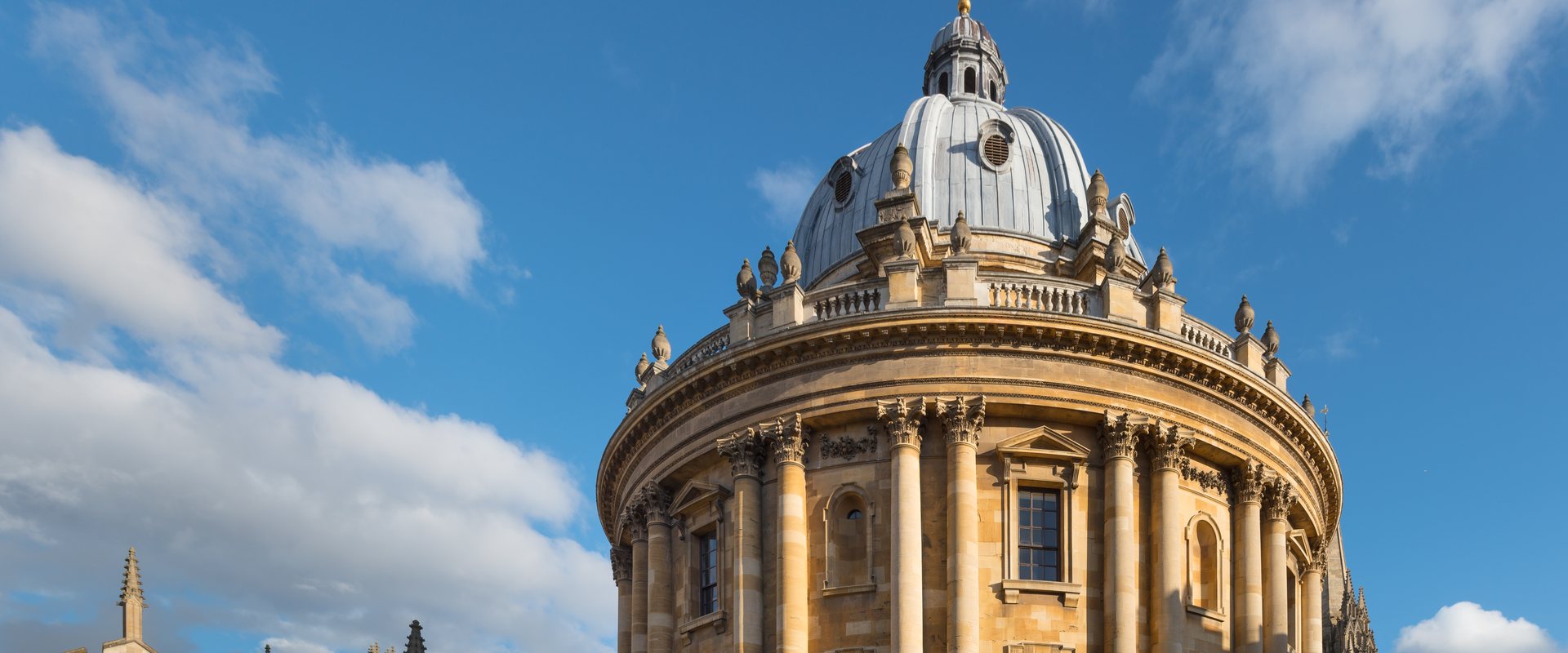
The best universities for philosophy in 2026 are New York University, Princeton University, and Harvard University. According to the Philosophical Gourmet Report and QS World University Rankings, the USA and UK dominate global philosophy rankings. Philosophy graduates are among the highest scorers on LSAT and GRE tests, and find careers in law, consulting, technology ethics, academia, and public policy.
What Are the Top Universities for Philosophy in 2026?
According to the QS World University Rankings 2026 and Times Higher Education subject rankings, the following institutions represent the world’s leading programs. Rankings are based on academic reputation, employer reputation, research citations, and international faculty and student diversity.
| # | University | Location | Global Ranking | Degrees Offered |
|---|---|---|---|---|
| 1 | New York University | New York, USA | #1 Philosophical Gourmet | BA, MA, PhD |
| 2 | Princeton University | Princeton, USA | #2 Philosophical Gourmet | AB, PhD |
| 3 | Harvard University | Cambridge, USA | #3 Philosophical Gourmet | AB, AM, PhD |
| 4 | MIT | Cambridge, USA | #4 Philosophical Gourmet | BS, PhD |
| 5 | University of Oxford | Oxford, UK | #5 Philosophical Gourmet | BA (PPE/Philosophy), BPhil, DPhil |
| 6 | University of Cambridge | Cambridge, UK | #6 Philosophical Gourmet | BA, MPhil, PhD |
| 7 | UC Berkeley | Berkeley, USA | #7 Philosophical Gourmet | BA, MA, PhD |
| 8 | Rutgers University | New Brunswick, USA | #8 Philosophical Gourmet | BA, PhD |
| 9 | University of Pittsburgh | Pittsburgh, USA | #9 Philosophical Gourmet | BA, MA, PhD |
| 10 | Stanford University | Stanford, USA | #10 Philosophical Gourmet | BA, MA, PhD |
| 11 | University of Michigan | Ann Arbor, USA | #11 Philosophical Gourmet | BA, MA, PhD |
| 12 | Columbia University | New York, USA | #12 Philosophical Gourmet | BA, MA, PhD |
| 13 | Yale University | New Haven, USA | #13 Philosophical Gourmet | BA, MA, PhD |
| 14 | University of Toronto | Toronto, Canada | #14 Philosophical Gourmet | BA, MA, PhD |
| 15 | University College London | London, UK | #15 Philosophical Gourmet | BA, MA, PhD |
| 16 | King’s College London | London, UK | #16 Philosophical Gourmet | BA, MA, PhD |
| 17 | Ludwig Maximilian University | Munich, Germany | #17 Philosophical Gourmet | BA, MA, PhD |
| 18 | University of Amsterdam | Amsterdam, Netherlands | #18 Philosophical Gourmet | BA, MA, PhD |
| 19 | Sorbonne University | Paris, France | #19 Philosophical Gourmet | Licence, Master, PhD |
| 20 | University of Edinburgh | Edinburgh, UK | #20 Philosophical Gourmet | MA, MSc, PhD |
Source: Compiled from QS World University Rankings by Subject 2026, Times Higher Education Subject Rankings 2026, and Academic Ranking of World Universities (ARWU). Last updated: February 2026.
What Are the Best Countries to Study Philosophy?
The choice of country significantly impacts your education quality, career opportunities, and post-graduation prospects. Here are the top destinations based on program quality, affordability, and career outcomes:
| Country | Why Study Here |
|---|---|
| 🇺🇸 USA | Dominates analytic philosophy globally; NYU, Princeton, Harvard, MIT, Rutgers, UC Berkeley |
| 🇬🇧 UK | Oxford PPE degree; Cambridge; analytic and continental traditions; strong ethics and political philosophy |
| 🇩🇪 Germany | Continental philosophy birthplace (Kant, Hegel, Nietzsche, Husserl, Heidegger); LMU Munich, Heidelberg |
| 🇫🇷 France | Continental tradition; Sorbonne; grandes écoles; existentialism legacy; Paris intellectual culture |
| 🇳🇱 Netherlands | Amsterdam and Utrecht strong in formal epistemology and philosophy of science; English-taught |
| 🇨🇦 Canada | Toronto, McGill; strong in metaphysics and applied ethics; growing philosophy of AI programs |
What Are the Career Prospects for Philosophy Graduates?
Philosophy graduates have surprising career versatility. According to research, philosophy majors score higher on LSAT (law) and GRE exams than nearly any other major, making them highly competitive for law and graduate school. Career paths include law (philosophy is arguably the best pre-law degree), consulting, technology ethics (AI ethics is a growing field), public policy, journalism, academia, finance, and software (philosophy of language translates well to programming logic). PayScale reports philosophy majors earn median mid-career salaries of $85,000–$95,000, comparable to business and engineering in the long run.
Frequently Asked Questions
Is philosophy a good degree?
Yes, though it requires career intentionality. Philosophy graduates score higher on LSAT and GRE than most majors, making it excellent for law school and graduate programs. The analytical skills, argumentation, and writing from philosophy are valuable in consulting, policy, tech ethics, and law. Combined with professional qualifications (JD, MBA), philosophy is a powerful foundation.
What jobs can you get with a philosophy degree?
Philosophy graduates work in law (philosophy is arguably the best pre-law degree), consulting, technology and AI ethics, public policy, journalism, academia, finance, software development, and civil service. Many CEOs, lawyers, and tech executives studied philosophy. The key is combining philosophy with marketable skills or professional qualifications.
What is the difference between analytic and continental philosophy?
Analytic philosophy (dominant in UK, USA, Australia) uses formal logic and precise language to analyze concepts, focusing on epistemology, logic, philosophy of language, and philosophy of mind. Continental philosophy (France, Germany) takes a more historical and literary approach, encompassing phenomenology, existentialism, and critical theory.
Is philosophy good preparation for law school?
Excellent. Philosophy majors achieve some of the highest LSAT scores of any undergraduate major and are highly successful in law school admissions. The skills of logical analysis, argumentation, and close reading of complex texts transfer directly to legal reasoning. Many law professors have philosophy PhDs.
What is AI ethics and can philosophy graduates work in it?
AI ethics is one of the fastest-growing applied philosophy fields, addressing questions of algorithmic bias, autonomous vehicles, surveillance, deepfakes, and AI governance. Major tech companies (Google, Microsoft, IBM, OpenAI) employ AI ethics researchers, many with philosophy backgrounds. Combining philosophy with programming or data science creates a uniquely valuable profile.
How long does a philosophy PhD take?
A philosophy PhD typically takes 5-7 years in the USA (including coursework, qualifying exams, and dissertation) and 3-4 years in the UK (research-only after a master’s). Academic job market in philosophy is very competitive; many PhD graduates pursue careers outside academia in law, consulting, policy, or technology.
Data and rankings on this page are based on the latest available figures from QS World University Rankings, Times Higher Education, and subject-specific accreditation bodies. Last verified: February 2026.
Explore More University Rankings
- Best Universities in the USA
- Best Universities in the UK
- Best Universities in Germany
- Best Universities in France
- Best Universities in the Netherlands
- Best Universities in Canada
- World University Rankings 2026
- Best Universities for Computer Science
- Best Universities for Medicine
- Best Universities for Engineering