
Best Universities in France 2026
France is one of Europe’s most attractive destinations for higher education, renowned for its unique dual system of public universities and prestigious Grandes Écoles – elite institutions that produce world lead...
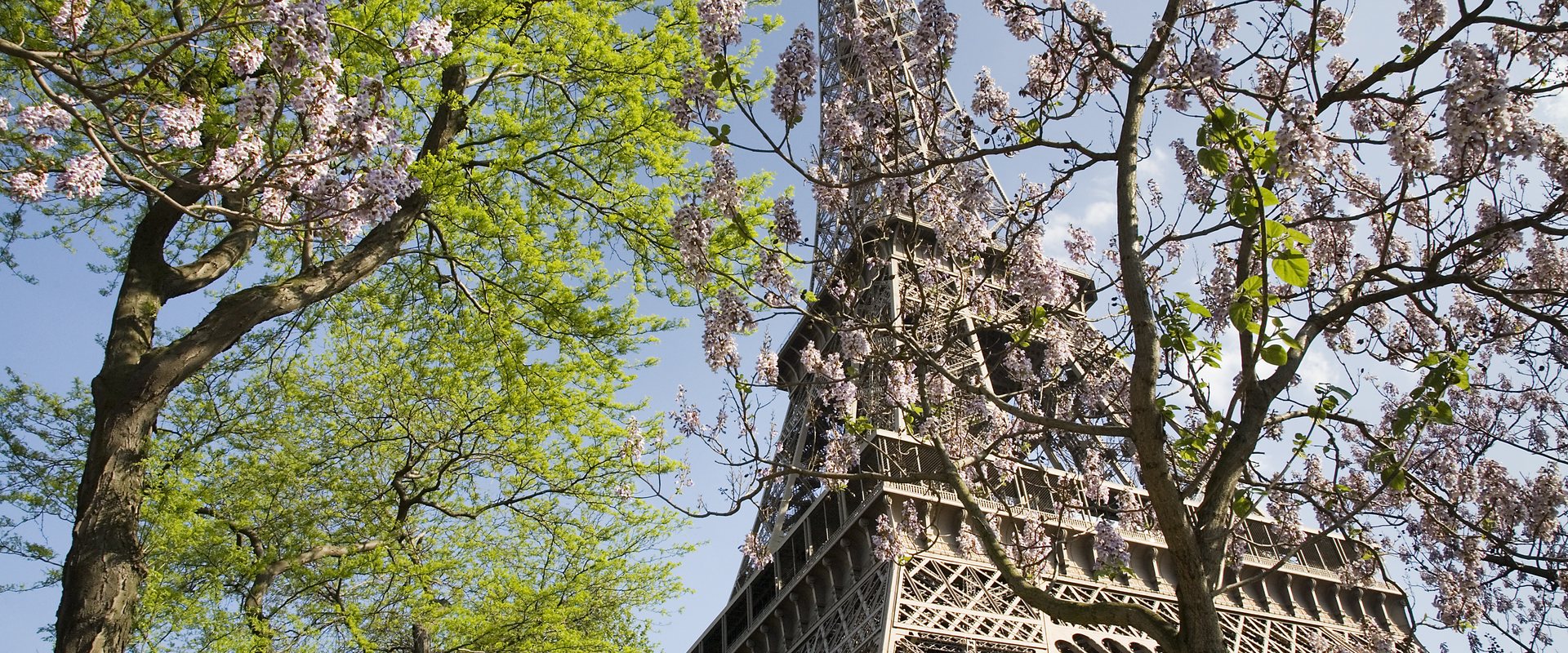
The best universities in France in 2026 are Université PSL (Paris Sciences et Lettres), Institut Polytechnique de Paris, and Sorbonne University. France has 3,500+ higher education institutions. Tuition fees at public universities average €170 – 380/year (EU); €2,770 – 3,770/year (non-EU). The average cost of living for students is approximately €800 – 1,500/month (Paris: €1,200 – 2,000).
France at a Glance
| Total Universities | 70+ public universities + 250+ Grandes Écoles (engineering, business, and specialized schools) |
| International Students | 400,000+ (4th most popular destination worldwide) |
| Tuition (Public – EU) | €170–€380/year (Bachelor’s €170, Master’s €243, PhD €380) |
| Tuition (Public – Non-EU) | €2,770–€3,770/year (Bachelor’s €2,770, Master’s €3,770) |
| Grandes Écoles Tuition | €5,000–€20,000/year (varies by school and programme) |
| Living Costs | €800–€1,500/month (Paris higher; CAF housing aid available) |
| Language of Instruction | French & English (1,800+ English-taught programmes available) |
| Academic Year | September – June (2 semesters) |
| Top City for Students | Paris (QS Best Student Cities top 10) |
| Student Visa | VLS-TS (Long-Stay Visa Equivalent to Residence Permit) |
| Post-Study Work | APS visa – 1-year job search permit after graduation |
Source: Compiled from QS World University Rankings, Times Higher Education, and ARWU 2026 data.
What Are the Top Universities in France for 2026?
| Rank (FR) | University | City | World Rank (QS 2026) | Founded | Students | Type | Tuition Intl./Year |
|---|---|---|---|---|---|---|---|
| 1 | PSL University (Paris-Dauphine, ENS, Mines) | Paris | #28 | 2010 | 17,000+ | Public (Collegiate) | €2,770–€3,770 |
| 2 | École Polytechnique (IP Paris) | Palaiseau | #41 | 1794 | 10,000+ | Public (Grande École) | €12,000–€15,000 |
| 3 | Université Paris-Saclay | Saclay / Paris | #71 | 2015 | 48,000+ | Public | €2,770–€3,770 |
| 4 | Sorbonne University | Paris | #72 | 1257 / 2018 | 55,000+ | Public | €2,770–€3,770 |
| 5 | École Normale Supérieure de Lyon | Lyon | #205 | 1880 | 2,500+ | Public (Grande École) | €2,770–€3,770 |
| 6 | Sciences Po | Paris | #367 | 1872 | 14,000+ | Public (Grande École) | €0–€14,500 (income-based) |
| 7 | HEC Paris | Jouy-en-Josas | #6 (Business) | 1881 | 4,500+ | Private (Grande École) | €18,000–€25,000 |
| 8 | ESSEC Business School | Cergy / Paris | Top 10 (Business) | 1907 | 6,000+ | Private (Grande École) | €16,000–€20,000 |
| 9 | Université Paris Cité | Paris | #300 | 2019 | 63,000+ | Public | €2,770–€3,770 |
| 10 | Université Grenoble Alpes | Grenoble | #321 | 1339 / 2016 | 45,000+ | Public | €2,770–€3,770 |
| 11 | INSA Lyon | Lyon | #406 | 1957 | 6,000+ | Public (Grande École) | €2,770–€3,770 |
| 12 | Université de Strasbourg | Strasbourg | #420 | 1538 | 52,000+ | Public | €2,770–€3,770 |
| 13 | Université Aix-Marseille | Marseille | #428 | 1409 / 2012 | 80,000+ | Public | €2,770–€3,770 |
| 14 | Université de Montpellier | Montpellier | #430 | 1220 | 50,000+ | Public | €2,770–€3,770 |
| 15 | Université de Bordeaux | Bordeaux | #494 | 1441 / 2014 | 56,000+ | Public | €2,770–€3,770 |
| 16 | École des Ponts ParisTech (IP Paris) | Champs-sur-Marne | #41 (as IP Paris) | 1747 | 2,500+ | Public (Grande École) | €12,000–€15,000 |
| 17 | CentraleSupélec | Gif-sur-Yvette | #71 (as Paris-Saclay) | 2015 | 4,600+ | Public (Grande École) | €2,770–€3,770 |
| 18 | Université Claude Bernard Lyon 1 | Lyon | #587 | 1971 | 47,000+ | Public | €2,770–€3,770 |
| 19 | Université Toulouse III – Paul Sabatier | Toulouse | #587 | 1229 / 1969 | 36,000+ | Public | €2,770–€3,770 |
| 20 | Université de Lille | Lille | #654 | 1559 / 2018 | 75,000+ | Public | €2,770–€3,770 |
Rankings based on the QS World University Rankings 2026. ENS Paris and Mines ParisTech are ranked under PSL University (#28). École Polytechnique and École des Ponts are ranked under Institut Polytechnique de Paris (#41). CentraleSupélec is a member of Université Paris-Saclay (#71). HEC Paris and ESSEC are ranked in the QS Business School rankings. Tuition fees are approximate annual figures for non-EU international students and vary by programme.
What Are the Best Universities in France for Medicine?
Medical studies in France (Parcours Accès Santé Spécifique – PASS/L.AS) take 6 years for a general practitioner and 9–12 years for specialists. The first year is highly selective with a competitive exam (numerus apertus). French medical degrees are recognised throughout the EU, and several French medical faculties rank among the world’s best in life sciences and clinical research.
| Rank | University | City | Teaching Hospitals | Strengths |
|---|---|---|---|---|
| 1 | Université Paris Cité | Paris | AP-HP (Necker, Cochin, Saint-Louis) | Pharmacology, Immunology, Public Health |
| 2 | Sorbonne University | Paris | AP-HP (Pitié-Salpêtrière, Tenon, Trousseau) | Neuroscience, Cardiology, Oncology |
| 3 | Université Paris-Saclay | Paris / Saclay | AP-HP (Bicêtre, Paul-Brousse, Antoine-Béclère) | Biomedical Research, Cancer, Surgery |
| 4 | Université de Strasbourg | Strasbourg | Hôpitaux Universitaires de Strasbourg (HUS) | Genetics, Neurology, Translational Research |
| 5 | Université de Montpellier | Montpellier | CHU de Montpellier | Tropical Medicine, Biology, Oldest Medical Faculty in Europe (1220) |
What Are the Best Universities in France for Engineering?
France’s engineering education is globally respected, anchored by the Grandes Écoles d’ingénieurs – highly selective institutions accessible through competitive entrance exams (concours) after two years of classes préparatoires. French engineering diplomas are recognized as Master’s-level degrees and open doors to careers worldwide. The CTI (Commission des Titres d’Ingénieur) accredits all engineering programmes.
| Rank | Institution | City | Top Fields | Notable Features |
|---|---|---|---|---|
| 1 | École Polytechnique (IP Paris) | Palaiseau | Applied Mathematics, Physics, Computer Science, Mechanical | Military tradition, top employer reputation worldwide, QS #41 |
| 2 | CentraleSupélec (Paris-Saclay) | Gif-sur-Yvette | Energy, AI, Systems Engineering, Telecommunications | Generalist engineer training, strong industry ties |
| 3 | INSA Lyon | Lyon | Civil, Electrical, Bioengineering, Materials Science | Largest engineering school in France, no prépa required |
| 4 | Mines Paris – PSL | Paris | Energy, Geosciences, Materials, Robotics, AI | Founded 1783, part of PSL (#28), close industry partnerships |
| 5 | École des Ponts ParisTech (IP Paris) | Champs-sur-Marne | Civil, Transport, Urban, Environmental Engineering | Oldest engineering school in the world (1747), part of IP Paris (#41) |
How Much Does It Cost to Study in France?
| Expense | Public University (Annual) | Grande École (Annual) | Notes |
|---|---|---|---|
| Tuition (Non-EU) | €2,770–€3,770 | €5,000–€20,000 | EU students pay only €170–€380; many Grandes Écoles offer scholarships |
| Accommodation | €3,600–€7,200 | €3,600–€10,800 | €300–€900/month; CROUS residences from €200/month; CAF aid available! |
| Food | €1,800–€3,000 | €1,800–€3,000 | CROUS restaurants: €3.30/meal; grocery budget €150–€250/month |
| Transport | €240–€480 | €240–€480 | Student monthly passes €20–€40 (Imagine R in Paris: €40/month for under 26) |
| Health Insurance | Free (under 28!) | Free (under 28!) | All students under 28 covered by French Sécurité Sociale at no cost |
| Books & Materials | €200–€500 | €200–€500 | University libraries extensive; digital resources widely available |
| TOTAL (excl. tuition) | €5,840–€11,180 | €5,840–€14,780 | CAF housing aid can reduce costs by €50–€250/month |
Cost of Living by City
| City | Avg. Rent/Month | Overall Cost/Month | Top Universities |
|---|---|---|---|
| Paris | €700–€1,100 | €1,200–€1,800 | PSL, Sorbonne, Sciences Po, HEC Paris, Paris Cité |
| Lyon | €450–€700 | €800–€1,200 | ENS Lyon, INSA Lyon, Claude Bernard Lyon 1 |
| Toulouse | €400–€600 | €700–€1,050 | Université Toulouse III – Paul Sabatier, ISAE-SUPAERO |
| Bordeaux | €450–€650 | €750–€1,100 | Université de Bordeaux, Sciences Po Bordeaux |
| Marseille | €400–€600 | €700–€1,050 | Université Aix-Marseille, Centrale Marseille |
| Strasbourg | €400–€600 | €700–€1,050 | Université de Strasbourg |
| Montpellier | €400–€600 | €700–€1,000 | Université de Montpellier |
How Do You Apply to Universities in France?
- Register with Campus France – All international students must create an account on the Campus France platform. If your country has a Campus France office, you will follow the Études en France procedure online, which centralizes your application, interview, and visa steps.
- Choose your programmes – Research programmes on Campus France’s catalogue, university websites, and MastersBooking. You can apply to multiple universities and programmes.
- DAP procedure (Licence 1) – For first-year undergraduate admission at public universities, non-EU applicants must follow the DAP (Demande d’Admission Préalable) procedure. Deadline is typically January for the following September intake.
- Parcoursup (French baccalauréat holders) – Students with a French baccalauréat or equivalent apply through Parcoursup, the national admissions platform. Registration opens in January with results from June.
- Études en France – International students from 70+ countries use the Études en France platform to apply online, attend an interview at their local Campus France office, and obtain a visa pre-approval.
- Language requirements – For French-taught programmes: TCF (Test de Connaissance du Français) or DELF/DALF – usually B2 level required. For English-taught programmes: IELTS (typically 6.0–6.5) or TOEFL iBT (80–90+).
- Key deadlines – Études en France: November–March (varies by country). DAP: January. Grandes Écoles: varies by institution (often December–April). Master’s direct admission: usually February–May via MonMaster.
- Apply for a VLS-TS visa – After receiving your acceptance letter, apply for a Long-Stay Student Visa (VLS-TS) at the French consulate in your country. This serves as both visa and residence permit for the first year.
Scholarships for Studying in France
| Scholarship | Amount | Eligibility | Deadline |
|---|---|---|---|
| Eiffel Excellence Scholarship | €1,200/month (Master’s) or €2,100/month (PhD) + benefits | International students nominated by French institutions; Master’s or PhD in science, engineering, economics, law, political science | Usually January (nomination by institution) |
| Erasmus+ Scholarships | €600–€1,200/month | EU/EEA and partner-country students for exchange or Erasmus Mundus Joint Master Degrees | Varies by programme (October–February) |
| Émile Boutmy Scholarship (Sciences Po) | €5,000–€19,000/year (tuition waiver or grant) | Outstanding non-EU students admitted to Sciences Po Bachelor’s or Master’s programmes | Automatic consideration upon admission |
| Charpak Scholarship (for Indian Students) | €700–€1,500/month + benefits | Indian students for exchange, Master’s, or research programmes in France | Usually March–April |
| University-Specific Scholarships | €1,000–€10,000/year | Varies by institution; often merit-based or for specific nationalities/fields | Varies – check individual university websites |
| CAF Housing Aid (APL/ALS) | €50–€250/month reduction on rent | All students in France (including international) with an eligible housing contract | Apply upon arrival at CAF.fr |
Full scholarship database: Campus France Scholarships & Grants
What Is Student Life Like in France?
- Work while studying: International students can work up to 964 hours per year (approximately 20 hours per week) alongside their studies. No additional work permit is needed – the student visa includes this right. Many students work as tutors, in retail, hospitality, or on-campus jobs.
- CAF housing subsidy: One of France’s biggest advantages for students! The CAF (Caisse d’Allocations Familiales) provides a monthly housing subsidy to all students in France – including international students. Depending on your rent and location, you can receive €50–€250/month. Apply online at caf.fr as soon as you sign a lease.
- CROUS student restaurants: France has an extensive network of CROUS (Centre Régional des Œuvres Universitaires et Scolaires) student restaurants offering complete meals for just €3.30. Over 800 locations across the country serve nutritious, affordable meals daily.
- Health insurance: All students under 28 are covered by the French Sécurité Sociale at no cost. Simply register at ameli.fr upon arrival. Doctor visits, prescriptions, and hospital care are covered (with some co-payments reimbursed by complementary insurance).
- Transport discounts: Students benefit from significant discounts on public transport. In Paris, the Imagine R pass costs around €40/month for unlimited travel for under 26. SNCF offers the Carte Avantage Jeune (€49/year) for 30% off TGV high-speed trains. Many cities offer student transport passes for €20–€40/month.
- Culture & lifestyle: France offers free or reduced admission to most museums and cultural sites for students under 26. Enjoy world-class cuisine, vibrant nightlife, historic architecture, and easy travel across Europe. The quality of life for students is among the best in the world.
Frequently Asked Questions
How much does it cost to study in France?
France is one of the most affordable countries for higher education. EU students pay only €170–€380/year in tuition at public universities. Non-EU international students pay €2,770/year for a Bachelor’s and €3,770/year for a Master’s at public universities. Grandes Écoles charge more, typically €5,000–€20,000/year for business and engineering programmes. Including living costs (€800–€1,500/month depending on the city), an international student should budget approximately €7,000–€15,000 per year at a public university, or €15,000–€30,000 at a Grande École. The CAF housing subsidy and low-cost CROUS meals (€3.30) significantly help reduce expenses.
Do I need to speak French to study in France?
Not necessarily. France offers over 1,800 programmes taught entirely in English, especially at the Master’s and PhD level. Many Grandes Écoles (HEC Paris, ESSEC, Sciences Po) and public universities offer English-taught degrees in business, engineering, science, and international affairs. However, for French-taught programmes, you will typically need a B2 level certificate (TCF, DELF, or DALF). Even if you study in English, learning basic French is highly recommended for daily life and career opportunities. Many universities offer free or subsidized French language courses for international students.
What is the difference between a university and a Grande École?
This is a uniquely French distinction. Public universities are open-access (no entrance exam for Bachelor’s), charge very low tuition, and offer a broad range of academic fields. They enroll the majority of students and are strong in research. Grandes Écoles are highly selective institutions focused on business, engineering, or specific fields. Admission typically requires passing a competitive entrance exam (concours) after two years of intensive classes préparatoires. They have smaller class sizes, strong industry connections, and their graduates dominate leadership positions in French business, government, and industry. Both types of institutions offer internationally recognized degrees.
Can I get housing assistance (CAF) as a student in France?
Yes! The CAF (Caisse d’Allocations Familiales) provides housing assistance to all students in France, regardless of nationality. This is one of France’s most generous benefits for students. You can receive between €50 and €250 per month to help cover your rent, depending on your accommodation type, location, and income. To apply, you need a valid residence permit, an eligible housing contract (including CROUS residences, private rentals, and shared apartments), a French bank account, and a birth certificate (translated if necessary). Apply online at caf.fr once you have secured accommodation.
Is France good for international students?
Absolutely. France is the 4th most popular study destination worldwide and the #1 Erasmus+ destination, hosting over 400,000 international students. Key advantages include: extremely low tuition fees at public universities, free health insurance for students under 28, the CAF housing subsidy, excellent public transport, a central location for European travel, world-renowned research facilities, and a vibrant cultural scene. The APS (Autorisation Provisoire de Séjour) visa allows graduates to stay for one year to search for employment. France’s strong emphasis on la vie étudiante (student life) includes affordable dining, student discounts, and a rich social environment.
What is Campus France?
Campus France is the French national agency for the promotion of higher education, international student services, and international mobility. It operates under the French Ministries of Foreign Affairs and Higher Education. For international students, Campus France serves as the central gateway to studying in France: it hosts the Études en France platform (used in 70+ countries) where you submit applications, attend a pre-visa interview, and manage your admission process. Campus France also maintains a comprehensive catalogue of French programmes, provides information on scholarships and visas, and has offices and representatives in over 130 countries. Visit campusfrance.org to begin your application.
Compare Nearby Countries
- Best Universities in Germany – Tuition-free public universities, world-leading engineering and technology programmes
- Best Universities in Spain – Affordable living, warm climate, growing number of English-taught programmes
- Best Universities in Italy – Historic universities, low tuition fees, rich cultural heritage
- Best Universities in the Netherlands – Many English-taught programmes, innovative research, strong graduate employability
- Best Universities in Belgium – Multilingual environment, central European location, affordable tuition
- Best Universities in Switzerland – ETH Zurich and EPFL among world’s best, high quality of life, multilingual
View All Universities in Europe →
Related Rankings
- Best Medical Schools Worldwide 2026
- Best Engineering Universities Worldwide 2026
- Best Computer Science Universities 2026
- Best Business Schools & MBA Programs 2026
- Cheapest Countries to Study Abroad 2026
- World University Rankings 2026
- Study in France – Complete Guide 2026
- France vs Germany Universities Compared
Best Universities by Subject in France
Looking for subject-specific rankings in France? Find the top universities for each field of study: