
Best Universities in Ireland 2026
Ireland has emerged as one of the most sought-after study destinations in the world, combining prestigious universities, a fully English-speaking academic environment, and a thriving technology sector that is home to the European...
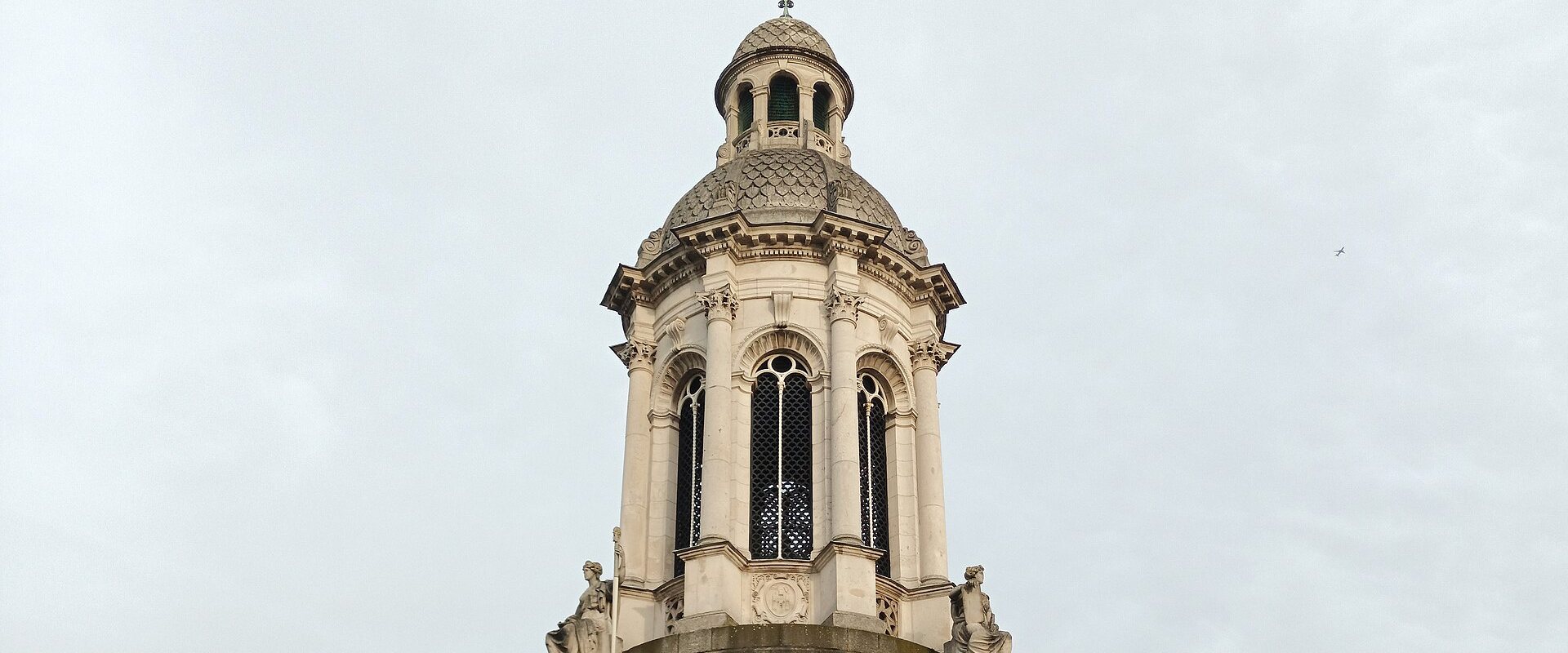
The best universities in Ireland in 2026 are Trinity College Dublin, University College Dublin, and University of Galway. Ireland has 35+ higher education institutions. Tuition fees at public universities average Free for EU/EEA (student contribution €3,000); €10,000 – 25,000/year (non-EU). The average cost of living for students is approximately €900 – 1,500/month (Dublin: €1,200 – 2,000).
Ireland at a Glance
| Total Universities | ~30 higher education institutions (8 traditional universities, 5 technological universities, colleges & institutes) |
| International Students | 32,000+ (growing rapidly post-Brexit; 15% of total enrolment) |
| Tuition (EU/EEA) | Free tuition (government-funded); student contribution of €3,000/year (~$3,250 USD) |
| Tuition (Non-EU Undergraduate) | €10,000–€25,000/year (~$10,800–$27,000 USD); medicine up to €55,000 |
| Tuition (Non-EU Postgraduate) | €10,000–€35,000/year (~$10,800–$37,800 USD) |
| Living Costs | €800–€1,500/month (Dublin most expensive; other cities significantly cheaper) |
| Language of Instruction | English (primary); Irish (Gaeilge) for select programmes |
| Academic Year | September – May (2 semesters; some trimester systems) |
| Top Student City | Dublin (QS Best Student Cities; global tech hub) |
| Student Visa | Stamp 2 student immigration permission for non-EU/EEA students |
| Post-Study Work | Third Level Graduate Scheme: 1 year (Level 8) or 2 years (Level 9/10) post-study work visa |
Source: Compiled from QS World University Rankings, Times Higher Education, and ARWU 2026 data.
What Are the Top Universities in Ireland for 2026?
| Rank (IE) | University | City | World Rank (QS 2026) | Founded | Students | Type | Tuition Intl./Year |
|---|---|---|---|---|---|---|---|
| 1 | Trinity College Dublin (TCD) | Dublin | #81 | 1592 | 18,500+ | Public | €18,000–€38,000 |
| 2 | University College Dublin (UCD) | Dublin | #126 | 1854 | 34,000+ | Public | €16,000–€28,000 |
| 3 | University of Galway (formerly NUI Galway) | Galway | #256 | 1845 | 18,000+ | Public | €14,000–€24,000 |
| 4 | University College Cork (UCC) | Cork | #292 | 1845 | 22,000+ | Public | €14,000–€24,000 |
| 5 | RCSI University of Medicine and Health Sciences | Dublin | #316 | 1784 | 4,500+ | Private (non-profit) | €25,000–€55,000 |
| 6 | Dublin City University (DCU) | Dublin | #436 | 1975 | 18,000+ | Public | €12,000–€18,000 |
| 7 | University of Limerick (UL) | Limerick | #501–550 | 1972 | 17,000+ | Public | €12,000–€20,000 |
| 8 | Maynooth University | Maynooth | #601–650 | 1997 | 14,000+ | Public | €12,000–€16,000 |
| 9 | Technological University Dublin (TU Dublin) | Dublin | #801–850 | 2019 | 29,000+ | Public | €10,000–€15,000 |
| 10 | Munster Technological University (MTU) | Cork / Kerry | #1001–1200 | 2021 | 18,000+ | Public | €10,000–€14,000 |
| 11 | Atlantic Technological University (ATU) | Galway / Sligo / Donegal | #1201+ | 2022 | 20,000+ | Public | €10,000–€14,000 |
| 12 | South East Technological University (SETU) | Waterford / Wexford | #1201+ | 2022 | 18,000+ | Public | €10,000–€14,000 |
| 13 | Technological University of the Shannon (TUS) | Limerick / Athlone | #1201+ | 2021 | 14,000+ | Public | €10,000–€14,000 |
| 14 | National College of Art & Design (NCAD) | Dublin | Specialist (Art & Design) | 1746 | 1,500+ | Public | €12,000–€16,000 |
| 15 | Royal Irish Academy of Music (RIAM) | Dublin | Specialist (Music) | 1848 | 1,000+ | Public | €12,000–€18,000 |
Rankings based on the QS World University Rankings 2026. Ireland’s higher education system was restructured in 2019–2022 with the creation of five Technological Universities from former Institutes of Technology. EU/EEA students benefit from free tuition (government-funded) but pay a student contribution charge of approximately €3,000/year. Non-EU tuition varies significantly by programme, with medicine being the most expensive. Trinity College Dublin (founded 1592) is Ireland’s oldest and highest-ranked university.
What Are the Best Universities in Ireland for Medicine?
Ireland is one of the world’s most popular destinations for international medical students, particularly from North America, the Middle East, and Southeast Asia. Irish medical degrees are recognised worldwide and particularly valued in the United States, Canada, the United Kingdom, and throughout the EU. The standard medical programme is a 5–6 year direct-entry undergraduate degree, with Graduate Entry Medicine (GEM) available as a 4-year accelerated programme for graduates of other disciplines. All teaching is conducted in English, and clinical placements take place in Ireland’s excellent public hospital system.
| Rank | University | City | Teaching Hospitals | Specialties & Strengths |
|---|---|---|---|---|
| 1 | RCSI University of Medicine & Health Sciences | Dublin | Beaumont Hospital, Connolly Hospital, RCSI Hospitals Group | Surgery, Clinical Medicine, Pharmacy, Physiotherapy; 60+ nationalities |
| 2 | Trinity College Dublin | Dublin | St James’s Hospital, Tallaght University Hospital, Coombe Women’s Hospital | Biomedical Sciences, Immunology, Neuroscience, Cancer Research |
| 3 | University College Dublin | Dublin | St Vincent’s University Hospital, Mater Misericordiae, National Maternity Hospital | Graduate Entry Medicine, Public Health, Sports Medicine, Veterinary Medicine |
| 4 | University College Cork | Cork | Cork University Hospital, Mercy University Hospital, South Infirmary | Clinical Research, Anatomy, Obstetrics & Gynaecology, Geriatric Medicine |
| 5 | University of Galway | Galway | University Hospital Galway, Merlin Park, Portiuncula Hospital | Rural Medicine, Regenerative Medicine, Biomedical Engineering, Primary Care |
| 6 | University of Limerick | Limerick | University Hospital Limerick, Croom Orthopaedic Hospital | Graduate Entry Medicine (4-year), Paramedicine, Nursing, Health Informatics |
What Is the Higher Education System Like in Ireland?
Ireland’s higher education system is structured under the National Framework of Qualifications (NFQ), which aligns with the European Qualifications Framework. Understanding this system is essential for choosing the right programme and institution:
- Traditional Universities (8): Trinity College Dublin, University College Dublin, University of Galway, University College Cork, Dublin City University, University of Limerick, Maynooth University, and RCSI. These offer the full range of undergraduate and postgraduate programmes, conduct world-class research, and hold the highest international reputations.
- Technological Universities (5): Created between 2019 and 2022 by merging former Institutes of Technology, these include TU Dublin, Munster Technological University (MTU), Atlantic Technological University (ATU), South East Technological University (SETU), and Technological University of the Shannon (TUS). They focus on applied learning, industry partnerships, and practical skills with growing research profiles.
- Specialist Colleges: Including the National College of Art & Design (NCAD), the Royal Irish Academy of Music (RIAM), and several private colleges offering niche programmes in areas like hospitality, business, and law.
The Irish degree system follows the Bologna Process and uses ECTS credits:
| Qualification | NFQ Level | Duration | ECTS Credits | Notes |
|---|---|---|---|---|
| Higher Certificate | Level 6 | 2 years | 120 | Foundation-level qualification; pathway to degree programmes |
| Ordinary Bachelor’s Degree | Level 7 | 3 years | 180 | Practical focus; common at Technological Universities |
| Honours Bachelor’s Degree | Level 8 | 3–4 years | 180–240 | Standard undergraduate degree; 4 years typical at traditional universities |
| Postgraduate Diploma | Level 9 | 1 year | 60 | Conversion or specialisation after bachelor’s degree |
| Master’s Degree (Taught) | Level 9 | 1–2 years | 60–120 | Coursework-based; most popular postgraduate option |
| Master’s Degree (Research) | Level 9 | 1–2 years | 60–120 | Thesis-based; preparation for PhD |
| Doctoral Degree (PhD) | Level 10 | 3–4 years | N/A | Research-intensive; structured PhD programmes increasingly common |
Best Irish Universities for Computer Science & Technology
Ireland’s position as Europe’s leading technology hub makes it an exceptional destination for computer science and engineering students. Dublin alone hosts the European headquarters of Google, Meta (Facebook), Apple, Microsoft, Amazon, Intel, Salesforce, LinkedIn, Twitter (X), Stripe, and hundreds of other tech companies. This creates unparalleled opportunities for internships, graduate employment, and industry-connected research. Cork has a growing tech cluster known as “Ireland’s Silicon Valley,” and Galway is a major centre for medtech and biotech. Ireland’s favourable corporate tax environment and English-speaking workforce continue to attract global companies.
| Rank | University | City | Top Fields | Industry Partners & Highlights |
|---|---|---|---|---|
| 1 | Trinity College Dublin | Dublin | Computer Science, AI, Data Science, Software Engineering | Google, Microsoft, Accenture; home of ADAPT Centre (AI research) |
| 2 | University College Dublin | Dublin | Computer Science, Data Analytics, Cybersecurity, Fintech | NovaUCD innovation hub; Insight Centre for Data Analytics |
| 3 | Dublin City University | Dublin | Computing, AI, Blockchain, Cloud Computing, Data Science | IBM, Intel, Fidelity; strong placement programme; DCU Alpha innovation campus |
| 4 | University of Galway | Galway | Computer Science, Data Science, Biomedical Engineering, Bioinformatics | Medtronic, Boston Scientific; Insight Centre partner; LERO (software research) |
| 5 | University College Cork | Cork | Computer Science, Cybersecurity, IoT, Microelectronics | Apple, Dell, VMware; Tyndall National Institute (microelectronics & photonics) |
| 6 | University of Limerick | Limerick | Computer Science, Software Development, AI, Game Design | Analog Devices, Johnson & Johnson; mandatory co-op work placement |
| 7 | Maynooth University | Maynooth | Computer Science, Robotics, Data Science, ML | Intel, HP, Maynooth University Hamilton Institute |
| 8 | TU Dublin | Dublin | Computing, Cybersecurity, Game Development, Cloud Technologies | Strong industry links; practical focus; largest tech university in Dublin |
What Are the Best Universities in Ireland for Engineering?
Engineering graduates are among the most sought-after professionals in Ireland. The country’s booming construction, pharmaceutical manufacturing, medical device, renewable energy, and technology sectors create consistent demand for qualified engineers. All major Irish engineering programmes are accredited by Engineers Ireland, ensuring international recognition under the Washington Accord. Many programmes incorporate mandatory work placements or co-op semesters, giving students real industry experience before graduation. Ireland’s position as a European manufacturing hub for pharmaceuticals (9 of the top 10 global pharma companies operate there) and medical devices (Galway is Europe’s medtech capital) means that chemical, biomedical, and process engineering graduates are particularly well-positioned for employment.
| Rank | University | City | Top Fields | Industry Partners & Highlights |
|---|---|---|---|---|
| 1 | Trinity College Dublin | Dublin | Mechanical, Electronic, Civil, Biomedical, Environmental | Engineers Ireland accredited; AMBER centre (advanced materials) |
| 2 | University College Dublin | Dublin | Chemical, Biomedical, Electrical, Mechanical, Biosystems | ESB, Arup, PM Group; UCD Engineering & Architecture highly ranked |
| 3 | University of Galway | Galway | Biomedical, Electrical, Mechanical, Energy Systems, Civil | Europe’s medtech capital; Medtronic, Boston Scientific, Zimmer Biomet |
| 4 | University College Cork | Cork | Electrical, Process & Chemical, Civil, Environmental | MaREI (marine & energy research); Eli Lilly, Pfizer, PepsiCo |
| 5 | University of Limerick | Limerick | Mechanical, Aeronautical, Electronic, Biomedical | Bernal Institute (world-class research); mandatory co-op placements |
Best Irish Universities for Business & MBA
Ireland’s unique position as a global business hub makes it an exceptional place to study business and earn an MBA. Dublin is home to the European headquarters of many of the world’s largest companies, providing business students with unmatched networking opportunities, guest lecturers from industry, and graduate employment pathways. Two Irish business schools – Trinity Business School and UCD Smurfit – hold the prestigious “triple crown” accreditation (AACSB, AMBA, and EQUIS), placing them among the world’s elite business schools. Ireland’s strengths in international finance, aviation leasing (Dublin is the global capital of aircraft leasing), technology, and pharmaceutical management create distinctive specialisation opportunities not available elsewhere.
| Rank | University / School | City | Key Programmes | Industry Connections & Highlights |
|---|---|---|---|---|
| 1 | Trinity College Dublin – Trinity Business School | Dublin | MBA, MSc Finance, MSc Management, MSc Digital Marketing | Triple-accredited (AACSB, AMBA, EQUIS); strong alumni network; Silicon Docks location |
| 2 | UCD Michael Smurfit Graduate Business School | Dublin | MBA, MSc Aviation Finance, MSc Supply Chain, MSc Marketing | Triple-accredited; Ireland’s #1 MBA; Financial Times ranked |
| 3 | DCU Business School | Dublin | MSc Management, MSc Finance, MSc Digital Innovation | AACSB accredited; strong fintech and digital focus |
| 4 | University of Galway – J.E. Cairnes School of Business | Galway | MComm, MSc International Management, MBA | AACSB accredited; strong links to multinational sector in West Ireland |
| 5 | Cork University Business School (UCC) | Cork | MSc Management & Marketing, MSc Finance, MSc Business Analytics | AACSB accredited; strong pharma & tech industry connections |
| 6 | Kemmy Business School (University of Limerick) | Limerick | MBA, MSc Financial Services, MSc Human Resource Management | AACSB accredited; longest-running co-op programme in Ireland |
How Much Does It Cost to Study in Ireland?
| Expense | Annual Cost (EUR) | Approx. USD | Notes |
|---|---|---|---|
| Tuition (EU/EEA Students) | €3,000 (contribution only) | ~$3,250 | Government pays tuition under “Free Fees Initiative”; student contribution of €3,000 |
| Tuition (Non-EU, Humanities/Arts) | €10,000–€16,000 | ~$10,800–$17,300 | Arts, social sciences, law; varies by university |
| Tuition (Non-EU, Science/Engineering) | €14,000–€25,000 | ~$15,100–$27,000 | STEM subjects generally higher; lab-based programmes at upper end |
| Tuition (Non-EU, Medicine) | €25,000–€55,000 | ~$27,000–$59,400 | RCSI at the higher end; Graduate Entry Medicine also premium |
| Accommodation | €5,400–€12,000 | ~$5,800–$13,000 | €450–€1,000/month; Dublin most expensive; on-campus limited |
| Food & Groceries | €2,400–€3,600 | ~$2,600–$3,900 | €200–€300/month; Aldi, Lidl, Tesco popular; campus canteens available |
| Transport | €480–€1,200 | ~$520–$1,300 | €40–€100/month; Leap Card student discount; Dublin Bus, Luas, DART |
| Health Insurance | €0–€500 | ~$0–$540 | EU citizens: EHIC; Non-EU: private insurance required (~€100–€500/year) |
| Books & Materials | €300–€600 | ~$325–$650 | University libraries well-stocked; digital resources widely available |
| Personal & Leisure | €1,200–€2,400 | ~$1,300–$2,600 | €100–€200/month; student discounts with ISIC/Leap card |
| TOTAL (EU Student) | €12,800–€23,300 | ~$13,800–$25,200 | Including €3,000 student contribution |
| TOTAL (Non-EU, Undergraduate) | €20,000–€45,000 | ~$21,600–$48,600 | Varies significantly by programme and institution |
Cost of Living by City
| City | Avg. Rent/Month | Overall Cost/Month | Top Universities |
|---|---|---|---|
| Dublin | €650–€1,200 | €1,100–€1,700 | TCD, UCD, DCU, RCSI, TU Dublin, NCAD, Maynooth (nearby) |
| Cork | €450–€750 | €800–€1,200 | UCC, MTU Cork |
| Galway | €400–€700 | €750–€1,150 | University of Galway, ATU Galway |
| Limerick | €350–€600 | €650–€1,000 | University of Limerick, TUS Limerick |
| Waterford | €350–€550 | €600–€950 | SETU Waterford |
| Maynooth | €400–€650 | €700–€1,050 | Maynooth University |
Accommodation Guide for Students in Ireland
Finding affordable accommodation is one of the biggest challenges for students in Ireland, particularly in Dublin where a housing shortage has driven rents to record levels. Planning ahead and understanding your options is essential:
- On-campus accommodation: Most Irish universities offer purpose-built student residences on or near campus. These typically cost €5,000–€9,000 per academic year (September–May) and include utilities, Wi-Fi, and security. On-campus rooms are limited and in high demand – apply as early as possible (many open applications in March–April for September entry). First-year students are generally given priority.
- Private rental (house/flat share): The most common option for students beyond first year. Expect to pay €500–€900/month in Dublin for a room in a shared house, €350–€600 in Cork or Galway, and €300–€500 in Limerick or Waterford. Search on Daft.ie, Rent.ie, and university accommodation offices. Note that landlords typically require a security deposit of one month’s rent and references.
- Purpose-built student accommodation (PBSA): Newer developments by companies like Aparto, Uninest, and Yugo offer modern en-suite rooms with social spaces, gyms, and study areas. These cost €800–€1,300/month in Dublin but include all bills and are often conveniently located near campuses.
- “Digs” (host family): A uniquely Irish option where students rent a room in a family home, typically receiving meals (Monday–Friday) as part of the arrangement. Digs cost €400–€700/month and offer a supportive environment, particularly for first-year or international students. This option is common in smaller cities and towns like Maynooth, Galway, and Limerick.
- Tips for finding accommodation: Start your search 3–6 months before arrival. Join university accommodation Facebook groups and WhatsApp groups. Attend virtual housing fairs organised by international offices. Be wary of rental scams – never pay a deposit without viewing the property (video calls are acceptable if you are abroad). Register with your university’s accommodation office for approved listings and emergency support.
Research & Innovation in Ireland
Despite its small size, Ireland punches well above its weight in research and innovation. The Irish government has invested heavily in research infrastructure through Science Foundation Ireland (SFI), creating a network of world-class research centres that collaborate closely with industry:
- ADAPT Centre (TCD, DCU) – AI-driven digital media technology, personalisation, and natural language processing. Partners include Google, Microsoft, Huawei, and Symantec.
- Insight Centre for Data Analytics (UCD, UCC, Galway, DCU) – Ireland’s largest data analytics research centre, working on healthcare informatics, smart cities, connected devices, and autonomous systems.
- LERO (UL, TCD, UCD, DCU, Galway, UCC, Maynooth, SETU) – The Science Foundation Ireland Research Centre for Software, focusing on software engineering, cybersecurity, and autonomous systems.
- Tyndall National Institute (UCC) – Europe’s leading research centre for integrated ICT hardware and systems, specialising in photonics, microelectronics, and nanotechnology. Named after Irish physicist John Tyndall.
- AMBER (TCD) – The Advanced Materials and BioEngineering Research centre, collaborating with industry leaders in developing new materials for energy, electronics, and healthcare.
- APC Microbiome Ireland (UCC) – A world-leading centre for microbiome research with major pharmaceutical and food industry partnerships.
- CÚRAM (University of Galway) – The SFI Centre for Research in Medical Devices, positioned in the heart of Europe’s medtech cluster in the west of Ireland.
Ireland invests approximately €900 million annually in research and development in higher education. PhD students benefit from this environment through fully funded structured PhD programmes, access to state-of-the-art facilities, and close connections to multinational companies that co-fund research projects. The Irish Research Council (IRC) and Science Foundation Ireland (SFI) are the primary funding bodies for postgraduate research.
Why Study in Ireland? – The English-Speaking EU Advantage
Since the United Kingdom left the European Union in 2020, Ireland has become the only English-speaking country in the EU – a distinction that has dramatically increased its appeal to international students. This unique position offers several powerful advantages:
- No language barrier: All programmes at Irish universities are taught in English (with the exception of a small number of Irish-language courses). Unlike other popular European destinations such as the Netherlands, Germany, or France, you will never encounter language difficulties in daily life, academic settings, or future employment.
- EU single market access: EU/EEA graduates can work freely anywhere in the 27-member European Union. Non-EU graduates can use Ireland’s generous Third Level Graduate Scheme (1–2 year post-study work visa) to gain EU work experience and potentially qualify for long-term residency.
- Globally recognised degrees: Irish university degrees – particularly from Trinity College Dublin, UCD, and RCSI – are recognised and respected worldwide. The Irish qualifications framework aligns with the European Qualifications Framework and the Bologna Process.
- Tech industry gateway: Ireland’s “Silicon Docks” area in Dublin and tech clusters in Cork and Galway provide direct access to Europe’s most concentrated technology ecosystem. Computer science, data analytics, and business graduates are in exceptionally high demand.
- Common law system: Ireland’s legal system, based on common law, is familiar to students from the UK, US, Canada, Australia, and other common law jurisdictions – an advantage for law and business students.
How Do You Apply to Universities in Ireland?
The application process in Ireland is straightforward compared to many other countries. Undergraduate applications are handled through a centralised system, while postgraduate applications go directly to each university. Here is a step-by-step guide to help you navigate the process successfully:
- Research programmes – Use CAO (Central Applications Office) for undergraduate programmes and individual university websites for postgraduate applications. The Education in Ireland portal (by Enterprise Ireland) provides comprehensive programme listings and guidance for international students. Also check Qualifax, the national learners’ database, which lists every accredited course in Ireland.
- Undergraduate applications (CAO) – All undergraduate applications go through the CAO system, Ireland’s centralised admissions office. The deadline is typically February 1 for the following September intake. International students apply through the same system but may have an extended deadline of July 1. You can list up to 10 Level 8 (honours degree) and 10 Level 6/7 choices.
- Postgraduate applications – Apply directly to each university’s graduate admissions office. Deadlines vary but are typically between February and June for September entry. Some programmes operate rolling admissions.
- Language requirements – Since all instruction is in English, you need proof of English proficiency: typically IELTS 6.0–6.5 (some programmes require 7.0) or TOEFL iBT 88–100+. Native English speakers and graduates from English-medium institutions may be exempt.
- Apply for student visa (non-EU) – Non-EU/EEA students apply for a Stamp 2 immigration permission. Required documents: letter of acceptance, proof of fees paid/funding, evidence of €10,000 in available funds (or €7,000 if fees already paid), private medical insurance, and evidence of academic qualifications.
- Register with immigration (GNIB/IRP) – Upon arrival, non-EU students must register with the Garda National Immigration Bureau (GNIB) or local immigration officer and obtain an Irish Residence Permit (IRP) card. This is required within 90 days of arrival.
Scholarships for Studying in Ireland
| Scholarship | Amount | Eligibility | Deadline |
|---|---|---|---|
| Government of Ireland International Education Scholarships | €10,000 stipend + tuition waiver (1 year) | Non-EU/EEA students from eligible countries for Bachelor’s, Master’s, or PhD; highly competitive (60 awards/year) | Usually March–April |
| Irish Research Council Postgraduate Scholarships | €18,500/year stipend + €5,750 fees (up to 4 years) | Master’s and PhD students of all nationalities in any discipline; research-focused | Usually October–November |
| Trinity College Dublin Global Excellence Scholarships | Up to €5,000/year fee reduction | High-achieving non-EU undergraduate applicants across all programmes | Automatic (upon application) |
| UCD Global Excellence Scholarship | 50–100% tuition fee waiver | Outstanding non-EU undergraduate and postgraduate students | Varies by programme |
| University of Galway International Student Scholarships | €2,000–€4,000/year | Non-EU students demonstrating academic excellence | Usually May–June |
| UCC International Student Scholarships | €2,000–€5,000/year | Non-EU students based on academic merit; country-specific awards available | Varies |
| Science Foundation Ireland (SFI) Research Grants | Fully funded PhD positions (stipend + fees) | Science, technology, engineering, and maths research students; through SFI-funded research centres | Rolling (depends on centre) |
| Erasmus+ (for EU/EEA students) | €600–€1,200/month | EU/EEA students on exchange semesters in Ireland through partner universities | Varies by home institution |
Post-Study Work & Career Opportunities
Ireland offers one of the most generous post-study work visa arrangements in Europe, making it an outstanding choice for students planning to build an international career.
- Third Level Graduate Scheme: Non-EU graduates of Irish universities receive a 1-year post-study work visa (for Level 8 – honours bachelor’s degree holders) or a 2-year post-study work visa (for Level 9 Master’s or Level 10 PhD holders). During this period, you can work full-time in any field without restrictions.
- Critical Skills Employment Permit: If you secure employment in a high-demand occupation (IT, engineering, healthcare, finance) with a salary of €38,000+ (or €64,000+ for general occupations), you can apply for a Critical Skills Employment Permit – Ireland’s fast-track work visa that leads to permanent residency after 2 years.
- Tech sector demand: With 200,000+ people employed in tech-related roles in Ireland and over 1,000 multinational companies based there, graduates in computer science, data analytics, cybersecurity, and software engineering find exceptional employment prospects. Entry-level tech salaries in Dublin average €35,000–€50,000.
- Pharmaceutical & life sciences: Ireland is Europe’s largest exporter of pharmaceuticals, with 9 of the world’s top 10 pharma companies operating there (Pfizer, Johnson & Johnson, Roche, Abbott, etc.). Graduates in chemistry, biomedical engineering, and pharmaceutical sciences are in constant demand, particularly in Cork and Galway.
- Financial services: Dublin is a major European financial centre, home to the headquarters of many international banks, insurance firms, and fintech companies. The IFSC (International Financial Services Centre) employs over 40,000 people.
- Work during studies: Non-EU students on a Stamp 2 visa can work up to 20 hours per week during term time and 40 hours per week during holidays (June–September, December 15–January 15). The minimum wage in Ireland is €12.70/hour (2026), among the highest in Europe.
What Is Student Life Like in Ireland?
- Welcoming culture: Ireland consistently ranks as one of the friendliest countries in the world for international students. The Irish are known for their warmth, humour, and genuine hospitality. Adjusting to life in Ireland is significantly easier than in many other European countries, thanks to the English-speaking environment and inclusive culture.
- Pub culture & social life: The pub is the centre of Irish social life – not just for drinking, but for live traditional music (trad sessions), conversation, sports viewing, and community gatherings. Student areas in Dublin (Temple Bar, Camden Street), Galway (the Latin Quarter), Cork (Oliver Plunkett Street), and Limerick offer vibrant nightlife at various price points. The legal drinking age is 18.
- Literary & cultural heritage: Ireland has produced four Nobel Prize winners in Literature (Yeats, Shaw, Beckett, Heaney) and has a rich tradition in theatre, poetry, music, and storytelling. Dublin is a UNESCO City of Literature. Cultural events include the Dublin Theatre Festival, Galway Arts Festival, Cork Jazz Festival, and St Patrick’s Day celebrations.
- Sports: Ireland has a unique sporting culture centred around GAA (Gaelic Athletic Association) sports – hurling and Gaelic football – which are amateur, community-based, and passionately followed. Rugby, football (soccer), horse racing, and golf are also hugely popular. University sports clubs welcome all levels.
- Nature & travel: From the Cliffs of Moher and the Wild Atlantic Way to the Ring of Kerry, Giant’s Causeway, and the Aran Islands, Ireland offers stunning natural landscapes within short distances. Weekend trips are easily arranged by bus or car. Ireland is also an excellent base for budget travel to the UK, continental Europe, and Iceland.
- Societies & clubs: Irish universities are famous for their vibrant student societies and clubs. Trinity’s Philosophical Society (“the Phil”) and Historical Society (“the Hist”), both founded in the 18th century, are among the oldest student societies in the world. Most universities have 100+ clubs and societies covering everything from debating and drama to martial arts and mountaineering.
- Work opportunities: The right to work 20 hours per week during term provides valuable income (€250–€500/week is achievable) and work experience. Popular student jobs include hospitality, retail, tutoring, campus positions, and increasingly, tech internships.
- Food & dining: Ireland’s food scene has been transformed in recent years, with a strong emphasis on locally sourced ingredients, artisan producers, and farm-to-table dining. Cork is known as Ireland’s “food capital,” home to the famous English Market. For budget-conscious students, supermarkets like Aldi, Lidl, and Tesco offer excellent value, and most campuses have affordable canteens and cafés. The traditional Irish breakfast (“fry-up”), fish and chips, Irish stew, soda bread, and a good cup of Barry’s or Lyons tea are staples of daily life.
- Music & festivals: Ireland has one of the richest musical traditions in the world. Traditional Irish music (trad) sessions take place in pubs across the country every night of the week, and you are always welcome to listen or join in. Major festivals include the Galway International Arts Festival, Electric Picnic (music festival), Cork Jazz Festival, Temple Bar TradFest (Dublin), and hundreds of local fleadhs (music gatherings). Ireland has also produced globally successful artists including U2, Hozier, The Cranberries, Enya, and Fontaines D.C.
Ireland vs. Other Popular Study Destinations
Choosing between Ireland and other popular English-speaking or European study destinations depends on your priorities, budget, and career goals. The following comparison table highlights the key differences across the most commonly compared countries. Ireland’s distinctive advantage is its combination of English-language instruction, EU membership, a powerful tech industry, and a generous post-study work visa – a package that no other single country can match.
| Factor | Ireland | United Kingdom | Netherlands | Germany | Canada |
|---|---|---|---|---|---|
| Language | English (native) | English (native) | English (uni) / Dutch (life) | German (most programmes) | English & French |
| EU Membership | Yes (only English-speaking EU) | No (post-Brexit) | Yes | Yes | No |
| Tuition (Intl.) | €10,000–€25,000 | £15,000–£35,000 | €8,000–€15,000 | €0–€3,000 (mostly free) | CAD 20,000–40,000 |
| Post-Study Work | 1–2 years | 2 years (Graduate Route) | 1 year (Orientation Year) | 18 months | 1–3 years (PGWP) |
| Tech Industry | EU tech hub (Silicon Docks) | London tech scene | Growing (Eindhoven, Amsterdam) | Strong (Berlin, Munich) | Growing (Toronto, Vancouver) |
| Living Costs | Medium–High (Dublin expensive) | High (London very expensive) | Medium–High | Medium (affordable) | High (major cities) |
| Safety | Very safe | Safe | Very safe | Very safe | Very safe |
| Culture & Lifestyle | Friendly, pub culture, literary | Diverse, cosmopolitan | Cycling, liberal, multicultural | Efficient, diverse, cultural | Multicultural, outdoors |
Frequently Asked Questions
Is studying in Ireland free?
For EU/EEA students, tuition at Irish public universities is covered by the government under the “Free Fees Initiative.” However, students must pay an annual student contribution charge of approximately €3,000 (~$3,250 USD), which covers registration, exams, and student services. This is significantly cheaper than tuition in the United Kingdom, where fees are £9,250+ per year. For non-EU students, tuition ranges from €10,000 to €25,000/year for most programmes, with medicine costing up to €55,000/year at RCSI. Living costs add €10,000–€15,000 per year depending on location.
Is Ireland better than the UK for international students after Brexit?
For many students, yes. Since Brexit, Ireland is the only English-speaking EU member state, which means EU/EEA students benefit from free tuition (vs. £9,250+/year in the UK), freedom of movement within the EU, and the right to work anywhere in Europe after graduation. Non-EU students also benefit from Ireland’s position as a gateway to the EU single market, with multinational companies increasingly choosing Dublin over London as their European base. However, the UK still has more universities in the global top 100 and London offers a larger job market. The choice depends on your priorities: EU access and value = Ireland; global prestige and scale = UK.
What is the best city to study in Ireland?
Dublin is the top choice for career-focused students, offering the highest-ranked universities (Trinity, UCD), the largest tech sector in Europe, and vibrant city life – but it is also the most expensive, with rents comparable to London. Cork offers Ireland’s second-largest city with a thriving food scene, growing tech sector, and significantly lower living costs. Galway is beloved for its bohemian culture, traditional music scene, stunning coastal location, and strong community feel. Limerick is the most affordable major university city, with the University of Limerick offering a beautiful riverside campus and Ireland’s best co-op work placement programme. Maynooth, just 25 km from Dublin, offers a small-town feel with easy access to the capital.
Can I work while studying in Ireland?
Yes. Non-EU students on a Stamp 2 visa can work up to 20 hours per week during term time and up to 40 hours per week during holiday periods (June 1–September 30 and December 15–January 15). Ireland’s national minimum wage is €12.70/hour (2026), meaning a part-time job of 20 hours/week can earn approximately €250–€1,000/month. EU/EEA students have no restrictions on working hours. Popular student employment sectors include hospitality, retail, university campus jobs, tutoring, and tech internships.
How long can I stay in Ireland after graduation?
Ireland’s Third Level Graduate Scheme allows non-EU graduates to remain in Ireland for 1 year (Level 8 – honours bachelor’s degree) or 2 years (Level 9 – master’s degree or Level 10 – doctorate). During this time, you can work full-time without any employment restrictions. If you secure a job with a salary of €38,000+ in a critical skills occupation (or €64,000+ in a general occupation), you can apply for a Critical Skills Employment Permit, which leads to permanent residency after just 2 years.
Is Ireland good for medicine?
Ireland is one of the best destinations worldwide for international medical students. The RCSI (Royal College of Surgeons in Ireland) is a globally renowned medical university with students from over 60 countries. Trinity College Dublin, UCD, UCC, University of Galway, and University of Limerick all offer excellent medical programmes. Irish medical degrees are recognised worldwide, including by the US (ECFMG certified), Canada, the UK (GMC recognised), and throughout the EU. All teaching is in English, clinical placements are in the Irish public hospital system, and the student-to-consultant ratio is excellent. The main drawback is cost: non-EU medical tuition ranges from €25,000 to €55,000/year.
What is the Irish grading system?
Irish universities use a percentage-based grading system: First Class Honours (1:1) = 70%+, Second Class Honours Upper Division (2:1) = 60–69%, Second Class Honours Lower Division (2:2) = 50–59%, Third Class Honours = 40–49%, Fail = below 40%. A 2:1 or above is generally required for entry to top postgraduate programmes and is expected by leading employers. The system is similar to the UK grading scale, and Irish grades are easily understood by employers and universities worldwide. ECTS credits follow the European standard (60 credits per academic year).
Is accommodation difficult to find in Ireland?
Accommodation is one of the biggest challenges for students in Ireland, particularly in Dublin. Ireland has experienced a housing shortage in recent years, driving rents to record levels. In Dublin, a room in a shared house typically costs €500–€900/month, while purpose-built student accommodation can cost €800–€1,300/month. Outside Dublin, rents are significantly more affordable: €350–€600/month in Cork and Galway, €300–€500/month in Limerick and Waterford. The key is to start searching early (3–6 months ahead), apply for on-campus housing as soon as you receive your offer, and use approved platforms like Daft.ie and university accommodation offices. The traditional Irish “digs” system – renting a room with a host family – remains a popular and more affordable option, especially outside Dublin.
Are Irish degrees recognised in the US and Canada?
Yes. Irish degrees are widely recognised and respected in the United States, Canada, and globally. Medical degrees from RCSI, Trinity, UCD, UCC, Galway, and Limerick are listed in the World Directory of Medical Schools and are ECFMG-certified, meaning graduates can apply for US medical residency positions. For other fields, Irish universities participate in the Bologna Process and the European Qualifications Framework, making qualifications easily comparable. The strong presence of American multinational companies in Ireland (Google, Apple, Meta, Pfizer, etc.) means that Irish graduates are well known and valued by US employers. Many Irish universities also have formal articulation agreements and exchange partnerships with American and Canadian institutions.
What is the weather like in Ireland?
Ireland has a mild, maritime climate influenced by the Atlantic Ocean and the Gulf Stream. Winters are cool but rarely freezing (average 3–7°C), and summers are pleasant but not hot (average 15–20°C). Rain is frequent – Ireland receives rainfall on approximately 150–225 days per year, so a good waterproof jacket is essential. However, the rain is usually light and interspersed with sunshine. The west coast (Galway, Limerick) tends to be wetter and windier than the east coast (Dublin). Snow is rare in most parts of Ireland. While the weather is not a selling point, the lush green landscape it produces is one of Ireland’s most beautiful features – the country is called the “Emerald Isle” for a reason.
Is Ireland safe for international students?
Ireland is one of the safest countries in Europe and regularly ranks in the top 15 on the Global Peace Index. Violent crime is extremely rare, and Irish cities are generally safe to walk around at night, although normal precautions should be taken in any urban area. The Irish police force (An Garda Síochána) is unarmed, reflecting the country’s low levels of violent crime. University campuses have their own security services and support networks. Ireland’s welcoming and tolerant society, strong community values, and low crime rates consistently make it one of the most comfortable destinations for international students. The country has also been ranked among the best in the world for LGBTQ+ rights, having legalised same-sex marriage by popular referendum in 2015.
Compare Nearby Countries
- Best Universities in the United Kingdom – Oxford, Cambridge, Imperial; Graduate Route visa; world’s strongest university brand
- Best Universities in the Netherlands – 2,100+ English-taught programmes, innovative teaching, Orientation Year visa
- Best Universities in France – Low tuition, Grandes Écoles, CAF housing aid, rich cultural experience
- Best Universities in Germany – Tuition-free at public universities, world-leading engineering, 18-month post-study visa
- Best Universities in Spain – Most affordable Western Europe, #1 Erasmus destination, Mediterranean lifestyle
- Best Universities in Canada – English & French, PGWP up to 3 years, multicultural, immigration pathway
View All Universities in Europe →
Related Rankings
- Best Medical Schools Worldwide 2026
- Best Engineering Universities Worldwide 2026
- Best Computer Science Universities 2026
- Best Business Schools & MBA Programs 2026
- Cheapest Countries to Study Abroad 2026
- Tuition-Free Universities in Europe 2026
- World University Rankings 2026
Best Universities by Subject in Ireland
Looking for subject-specific rankings in Ireland? Find the top universities for each field of study: