
Best Universities in Switzerland 2026
Switzerland is home to some of the finest universities in the world, consistently punching far above its weight for a country of just 8.8 million people.
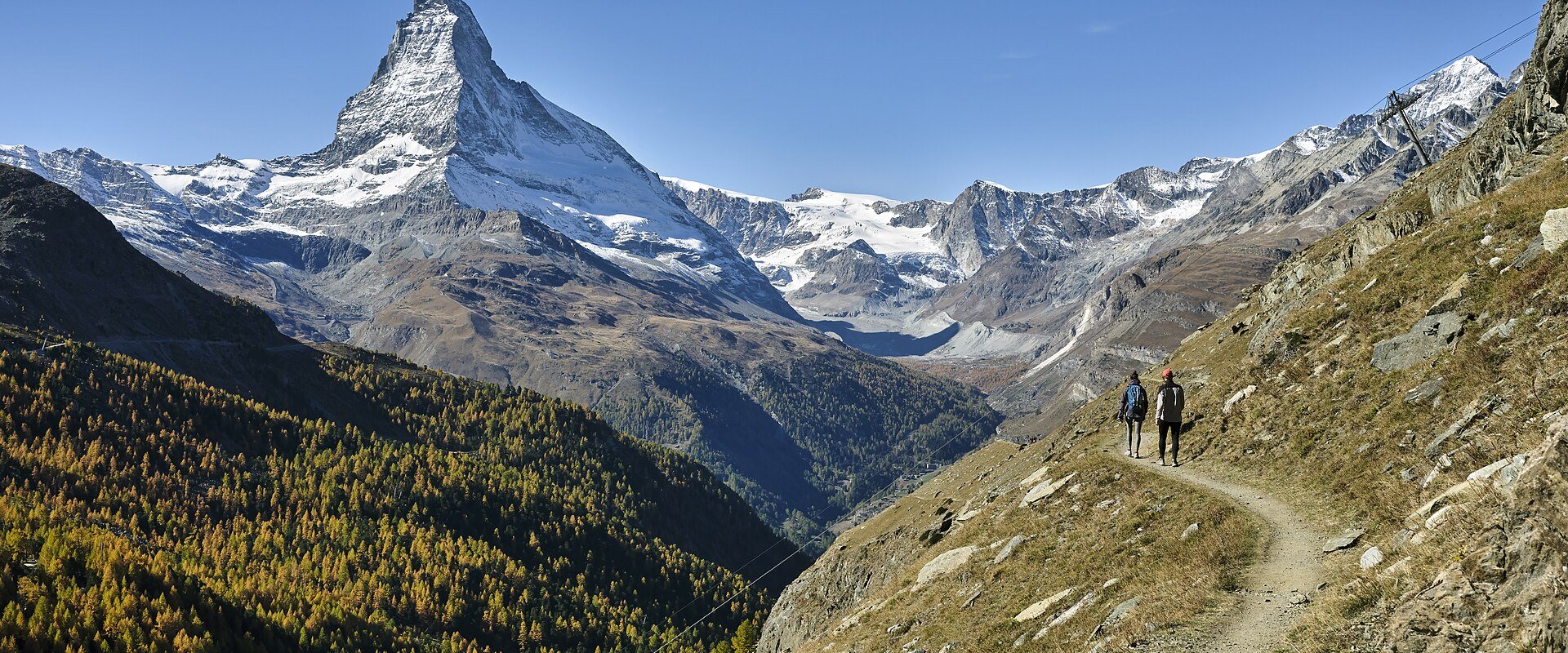
The best universities in Switzerland in 2026 are ETH Zurich, EPFL (Ecole Polytechnique Fédérale de Lausanne), and University of Zurich. Switzerland has 30+ higher education institutions. Tuition fees at public universities average CHF 500 – 2,000/semester ($550 – $2,200). The average cost of living for students is approximately CHF 1,600 – 2,500/month ($1,760 – $2,750).
Switzerland at a Glance
| Total Universities | 12 cantonal/federal universities + 8 universities of applied sciences (FH/HES) + 14 universities of teacher education |
| International Students | ~60,000 (25%+ of total university enrolment) |
| Tuition (Swiss/EU) | CHF 500–1,500/year at most public universities |
| Tuition (International) | CHF 500–4,000/year at public universities (ETH: CHF 1,460; some cantonals slightly higher for non-Swiss) |
| Living Costs | CHF 1,500–2,500/month (among the highest in Europe) |
| Languages of Instruction | German, French, Italian, and English (many Master’s/PhD programmes in English) |
| Academic Year | September – June (2 semesters, some with block system) |
| Top Student City | Zurich (QS Best Student Cities top 10) |
| Student Visa | Type D National Visa + Residence Permit (Aufenthaltsbewilligung L or B) |
| Post-Study Work | 6-month job-search extension after graduation; work permit required for non-EU |
Source: Compiled from QS World University Rankings, Times Higher Education, and ARWU 2026 data.
What Are the Top Universities in Switzerland for 2026?
| Rank (CH) | University | City / Canton | World Rank (QS 2026) | Founded | Students | Type | Tuition Intl./Year |
|---|---|---|---|---|---|---|---|
| 1 | ETH Zurich (Swiss Federal Institute of Technology) | Zurich | #7 | 1855 | 24,000+ | Federal | CHF 1,460 |
| 2 | EPFL (Swiss Federal Institute of Technology Lausanne) | Lausanne, VD | #18 | 1969 | 13,000+ | Federal | CHF 1,266 |
| 3 | University of Zurich (UZH) | Zurich | #80 | 1833 | 28,000+ | Cantonal | CHF 1,440–2,200 |
| 4 | University of Basel | Basel | #137 | 1460 | 13,000+ | Cantonal | CHF 1,400–1,700 |
| 5 | University of Bern | Bern | #146 | 1834 | 19,000+ | Cantonal | CHF 1,310–1,700 |
| 6 | University of Geneva (UNIGE) | Geneva | #170 | 1559 | 17,000+ | Cantonal | CHF 1,000 |
| 7 | University of Lausanne (UNIL) | Lausanne, VD | #223 | 1537 | 16,000+ | Cantonal | CHF 1,160–1,580 |
| 8 | University of St. Gallen (HSG) | St. Gallen | #323 | 1898 | 9,500+ | Cantonal | CHF 3,326 |
| 9 | Università della Svizzera italiana (USI) | Lugano, TI | #353 | 1996 | 3,500+ | Cantonal | CHF 4,000 |
| 10 | University of Fribourg | Fribourg | #451–500 | 1889 | 10,500+ | Cantonal | CHF 1,310–1,610 |
| 11 | University of Neuchâtel | Neuchâtel | #601–650 | 1838 | 4,500+ | Cantonal | CHF 1,060 |
| 12 | University of Lucerne | Lucerne | #801–1000 | 2000 | 3,500+ | Cantonal | CHF 1,610 |
| 13 | Zürcher Hochschule der Künste (ZHdK) | Zurich | Top in Art & Design | 2007 | 2,800+ | Cantonal (UAS) | CHF 1,440 |
| 14 | IMD (International Institute for Management Development) | Lausanne | #1 (Executive Education, FT) | 1990 | 1,000+ | Private | CHF 75,000+ (MBA) |
| 15 | Zurich University of Applied Sciences (ZHAW) | Winterthur, ZH | Not ranked individually | 2007 | 14,000+ | Cantonal (UAS) | CHF 1,440 |
| 16 | Bern University of Applied Sciences (BFH) | Bern | Not ranked individually | 1997 | 8,000+ | Cantonal (UAS) | CHF 1,500 |
| 17 | FHNW (University of Applied Sciences Northwestern Switzerland) | Basel / Olten / Brugg | Not ranked individually | 2006 | 13,000+ | Cantonal (UAS) | CHF 1,400 |
| 18 | HES-SO (University of Applied Sciences Western Switzerland) | Multiple campuses (VD, GE, VS, FR, etc.) | Not ranked individually | 1997 | 22,000+ | Cantonal (UAS) | CHF 1,000 |
| 19 | Franklin University Switzerland | Lugano, TI | Not ranked | 1969 | 400+ | Private | CHF 40,000+ |
| 20 | Graduate Institute Geneva (IHEID) | Geneva | World leader in International Relations | 1927 | 1,000+ | Public-Private | CHF 5,000–8,000 |
Rankings based on the QS World University Rankings 2026. ETH Zurich and EPFL are federal institutions funded by the Swiss Confederation; cantonal universities are funded by their respective cantons. Swiss public university tuition is remarkably affordable even for international students. Private institutions (IMD, Franklin) and some specialised programmes charge significantly more. The University of St. Gallen (HSG) is consistently ranked among the top 10 business universities in Europe.
What Are the Best Universities in Switzerland for Medicine?
Medical education in Switzerland takes 6 years (3-year Bachelor’s + 3-year Master’s), followed by the Swiss Federal Medical Examination. Swiss medical degrees are recognised throughout Europe and globally. Teaching is conducted in the local language (German, French, or Italian) at most faculties, though some research programmes are in English. Admission is competitive, with a numerus clausus and the EMS aptitude test.
| Rank | University | City | Teaching Hospital | Specialties |
|---|---|---|---|---|
| 1 | University of Zurich | Zurich | University Hospital Zurich (USZ) | Oncology, Cardiovascular, Neuroscience, Transplant Medicine |
| 2 | University of Basel | Basel | University Hospital Basel (USB) | Tropical Medicine, Pharmacology, Immunology, Clinical Research |
| 3 | University of Bern | Bern | Inselspital (University Hospital Bern) | Neurosurgery, Diabetes Research, Emergency Medicine, Dentistry |
| 4 | University of Geneva | Geneva | Hôpitaux Universitaires de Genève (HUG) | Global Health, Genetics, Psychiatry, Public Health |
| 5 | University of Lausanne | Lausanne | Centre Hospitalier Universitaire Vaudois (CHUV) | Oncology, Sports Medicine, Metabolic Diseases, Radiology |
What Are the Best Universities in Switzerland for Engineering?
Switzerland’s engineering excellence is anchored by ETH Zurich and EPFL, two of the world’s top technical universities. Swiss engineering benefits from the country’s position as a global innovation leader (ranked #1 on the Global Innovation Index for 12 consecutive years) and strong partnerships with industry giants in pharmaceuticals, precision manufacturing, robotics, and finance.
| Rank | University | City | Top Fields | Industry Partners |
|---|---|---|---|---|
| 1 | ETH Zurich | Zurich | Mechanical, Electrical, Civil, Computer Science, Materials Science, Architecture | ABB, Nestlé, Roche, Google (Zurich), Disney Research, Sensirion |
| 2 | EPFL | Lausanne | Computer Science, Bioengineering, Microengineering, Materials, Energy | Nestlé, Logitech, Novartis, Rolex, CERN |
| 3 | ETH Zurich – Department of Information Technology and Electrical Engineering | Zurich | Robotics, Machine Learning, Signal Processing, Quantum Engineering | Microsoft Research, IBM Research Zurich, Huawei, Qualcomm |
| 4 | ZHAW School of Engineering | Winterthur | Aviation, Energy, Data Science, Systems Engineering | Stadler Rail, Sulzer, Siemens, Swiss Re |
| 5 | HSLU (Lucerne University of Applied Sciences) | Lucerne / Horw | Building Technology, Electrical, Mechanical, Medical Engineering | Schindler, Bühler, Pilatus Aircraft, Maxon Motor |
How Much Does It Cost to Study in Switzerland?
| Expense | Annual Cost (CHF) | Annual Cost (EUR approx.) | Notes |
|---|---|---|---|
| Tuition (Public) | CHF 1,000–4,000 | ~€1,050–€4,200 | ETH Zurich CHF 1,460; EPFL CHF 1,266; cantonal universities CHF 1,000–2,200. Among the lowest in the world for this quality! |
| Accommodation | CHF 7,200–14,400 | ~€7,600–€15,200 | CHF 600–1,200/month; student residences cheapest (CHF 500–700); private market much more expensive, especially in Zurich and Geneva |
| Food & Groceries | CHF 4,800–7,200 | ~€5,050–€7,600 | CHF 400–600/month; Mensa (university cafeteria) meals CHF 7–10; Migros and Coop are main supermarkets; Aldi/Lidl are cheaper alternatives |
| Transport (GA/Halbtax) | CHF 1,200–2,860 | ~€1,260–€3,010 | GA Travelcard CHF 2,860/year (unlimited travel on all public transport); Half-Fare card CHF 185/year (50% off); many student discounts available |
| Health Insurance (mandatory) | CHF 1,200–3,600 | ~€1,260–€3,790 | Mandatory for all residents. Student discounts: CHF 100–300/month depending on canton and provider. Some EU students can use EHIC temporarily. |
| Books & Materials | CHF 300–800 | ~€315–€840 | Many digital resources available through university libraries; ETH/EPFL provide extensive online materials |
| Personal & Leisure | CHF 2,400–4,800 | ~€2,520–€5,050 | Phone (CHF 20–40/month with student plan), skiing, travel, entertainment |
| TOTAL | CHF 18,100–37,660 | ~€19,050–€39,650 | Low tuition, high living costs. Budget carefully! Zurich and Geneva most expensive. |
Cost of Living by City
| City | Avg. Rent/Month (CHF) | Overall Cost/Month (CHF) | Top Universities |
|---|---|---|---|
| Zurich | CHF 800–1,400 | CHF 2,000–2,800 | ETH Zurich, University of Zurich, ZHdK |
| Geneva | CHF 800–1,300 | CHF 1,900–2,700 | University of Geneva, Graduate Institute (IHEID) |
| Basel | CHF 600–1,000 | CHF 1,600–2,200 | University of Basel |
| Bern | CHF 600–1,000 | CHF 1,600–2,200 | University of Bern |
| Lausanne | CHF 700–1,100 | CHF 1,700–2,400 | EPFL, University of Lausanne, IMD |
| Lugano | CHF 600–900 | CHF 1,400–2,000 | USI, Franklin University |
| St. Gallen | CHF 550–900 | CHF 1,500–2,100 | University of St. Gallen (HSG) |
How Do You Apply to Universities in Switzerland?
- Research programmes and language requirements – Swiss universities teach in the local language of their canton: German (Zurich, Basel, Bern, Lucerne, St. Gallen), French (Geneva, Lausanne, Neuchâtel), Italian (Lugano), or bilingual (Fribourg: German/French). ETH Zurich Bachelor’s programmes are in German; Master’s programmes are mostly in English. EPFL Bachelor’s is in French; Master’s is in English. Many Master’s and PhD programmes across all universities are in English.
- Check admission requirements – Requirements vary by university and nationality. In general, you need a recognised secondary school diploma or equivalent degree. Some universities require applicants from certain countries to pass a supplementary entrance exam administered by the swissuniversities coordination office or ETH Zurich’s admissions office.
- Meet language requirements – For German-taught programmes: DSH, TestDaF (TDN 4–5), or Goethe-Zertifikat C1. For French-taught programmes: DALF C1 or TCF C1. For English-taught programmes: IELTS 6.5–7.0 or TOEFL iBT 90–100+.
- Submit your application – Apply directly through each university’s online portal. Deadlines are typically 30 April for the autumn semester (September start) and 30 November for the spring semester (February start). Some competitive programmes have earlier deadlines (December–February). ETH Zurich and EPFL have specific deadlines.
- Apply for a student visa – Non-EU/EFTA students must apply for a Type D National Visa at the Swiss embassy or consulate in their home country. Required: admission letter, proof of financial means (CHF 21,000/year minimum), health insurance confirmation, accommodation proof, and criminal record extract. Processing takes 6–12 weeks.
- Arrange health insurance – Health insurance is mandatory for all residents in Switzerland. Some cantons allow students to use an EHIC (for EU citizens) or obtain an exemption with equivalent foreign insurance. Otherwise, you must take out Swiss basic health insurance (Grundversicherung). Student premiums are typically CHF 100–300/month.
- Register at your Gemeinde (municipality) – Within 14 days of arrival, register at your local municipality to receive a residence permit. You’ll need your passport, admission letter, proof of financial means, health insurance confirmation, and accommodation contract.
What Scholarships Are Available for International Students in Switzerland?
| Scholarship | Amount | Eligibility | Deadline |
|---|---|---|---|
| Swiss Government Excellence Scholarships (ESKAS) | CHF 1,920/month (PhD/research) or tuition waiver + CHF 1,920/month | Postgraduate researchers and artists from 180+ countries; administered by Swissuniversities and the Federal Commission | Varies by country (usually August–December, one year before start) |
| ETH Zurich Excellence Scholarship (ESOP) | CHF 12,000 + tuition waiver per semester (Master’s) or full living grant | Outstanding international Master’s applicants at ETH Zurich; top 3% of applicants | 15 December (with Master’s application) |
| EPFL Excellence Fellowships | CHF 16,000/year + tuition waiver | Top international Master’s applicants at EPFL; based on academic excellence | 15 April or 15 December (with admission) |
| University-Specific Scholarships | CHF 2,000–30,000/year | Varies: merit-based, need-based, or for specific fields/nationalities. Basel, Bern, Geneva, Zurich, and others offer various programmes. | Varies by university (check websites) |
| Cantonal Scholarships | Varies by canton | Students resident in the canton; some available to international students with Swiss residency. Application through cantonal scholarship offices. | Varies by canton |
Scholarship search: Swiss Government Scholarships | Swissuniversities Scholarships
What Is Student Life Like in Switzerland?
- Work while studying: Non-EU/EFTA students can work up to 15 hours per week during term time after the first 6 months of study (a work permit is required). During semester breaks, full-time work is permitted. EU/EFTA students can work without restrictions. Typical student jobs include tutoring, research assistantships, and hospitality. Wages are high: CHF 20–30/hour for student jobs.
- Multilingual environment: Switzerland’s four national languages create a unique cultural mosaic. You can study in German in Zurich and Bern, French in Geneva and Lausanne, Italian in Lugano, and English in many Master’s programmes. Many Swiss are tri- or quadrilingual, making it a fascinating environment for language learning.
- Outdoor activities: Switzerland is a paradise for outdoor enthusiasts. Skiing and snowboarding in the Alps (over 200 ski resorts), hiking (65,000 km of marked trails), cycling, and lake swimming are integral to student life. Many universities organize discounted ski weekends and hiking trips. The Swiss Alpine Club (SAC) offers student memberships with access to mountain huts.
- Public transport: The Swiss public transport system (SBB/CFF/FFS) is among the world’s best – punctual, clean, and comprehensive. The Half-Fare card (Halbtax) costs CHF 185/year and halves all fares. The GA Travelcard (CHF 2,860/year) provides unlimited travel on trains, buses, boats, and trams throughout the country. Most cities also have excellent tram and bus networks.
- Safety: Switzerland is one of the safest countries in the world. Crime rates are extremely low, cities are clean and well-maintained, and public spaces are safe at all hours. This makes Switzerland an exceptionally comfortable place to live and study.
- Quality of life: Swiss cities consistently rank among the world’s most liveable (Zurich, Geneva, and Bern in the global top 10). Air and water quality are excellent, healthcare is world-class, and the social infrastructure is superb. The trade-off is cost – Switzerland is one of the most expensive countries in Europe.
Frequently Asked Questions
How much does it cost to study in Switzerland?
Switzerland offers a remarkable paradox: world-class education at very low tuition fees, but extremely high living costs. Public university tuition is typically CHF 1,000–2,000/year (approximately €1,050–€2,100) for both Swiss and international students. ETH Zurich charges just CHF 1,460/year; EPFL charges CHF 1,266/year – this for universities that rank in the global top 20. However, living costs are among the highest in Europe: you should budget CHF 1,500–2,500/month for accommodation, food, transport, and health insurance. Total annual cost: CHF 18,000–35,000 (€19,000–€37,000), of which only 5–10% is tuition.
Is Switzerland too expensive for students?
While Switzerland is undeniably expensive, the cost picture is more nuanced than it first appears. Tuition is cheaper than most US and UK universities. Student residences and Mensa cafeteria meals are significantly subsidised. The Half-Fare card makes transport affordable. Part-time work pays CHF 20–30/hour – much higher than neighbouring countries. And the return on investment is excellent: Swiss university graduates have among the highest starting salaries in the world, and Switzerland’s unemployment rate is around 2%. Many students manage on CHF 1,500–1,800/month in smaller cities like St. Gallen, Fribourg, or Neuchâtel.
Do I need to speak German or French?
It depends on the programme. Most Bachelor’s programmes are taught in the local language: German (Zurich, Basel, Bern), French (Geneva, Lausanne), or Italian (Lugano). ETH Zurich Bachelor’s is in German; EPFL Bachelor’s is in French. However, at the Master’s and PhD level, many programmes – especially in science, engineering, business, and economics – are taught entirely in English. The University of St. Gallen (HSG) offers numerous English-taught Master’s programmes. For daily life, English is widely understood in urban areas, but knowing the local language greatly improves your social integration and job prospects.
How good is ETH Zurich?
ETH Zurich is one of the best universities in the world, consistently ranked in the global top 10 alongside MIT, Cambridge, Oxford, and Stanford. It has produced 22 Nobel Prize winners, including Albert Einstein. ETH Zurich is particularly renowned for engineering, computer science, natural sciences, architecture, and mathematics. Its research output competes with the very best, and its graduates are highly sought after by industry and academia worldwide. The combination of a global top-10 ranking and tuition of just CHF 1,460/year makes ETH Zurich arguably the best value for money in world higher education.
Can I work while studying in Switzerland?
Yes, with conditions. EU/EFTA students can work without restrictions. Non-EU/EFTA students can work up to 15 hours per week during term time after the first 6 months of enrolment, and full-time during official semester breaks. A work permit (Arbeitsbewilligung) is required, which your employer must obtain. The advantage of working in Switzerland is the high wage level: student jobs typically pay CHF 20–30/hour, and research assistantships at ETH/EPFL can pay CHF 25–35/hour.
Is a Swiss degree recognised worldwide?
Absolutely. Swiss degrees are among the most respected and recognised in the world. Switzerland follows the Bologna Process (Bachelor’s/Master’s/PhD system), ensuring compatibility with European qualifications frameworks. ETH Zurich and EPFL degrees carry global prestige comparable to MIT and Oxbridge. Switzerland is also a member of the Lisbon Recognition Convention, facilitating international recognition. Swiss university graduates enjoy excellent global employability, with alumni working at leading organisations worldwide. For regulated professions (medicine, law, architecture), additional local licensing may be required in other countries.
Compare Nearby Countries
- Best Universities in Germany – Tuition-free public universities, largest higher education system in Europe, 18-month post-study work visa
- Best Universities in Austria – Affordable tuition, German-language programmes, rich cultural heritage, beautiful Alpine scenery
- Best Universities in France – Low tuition, Grandes Écoles, 1,800+ English-taught programmes, CAF housing aid
- Best Universities in Italy – Historic universities, income-based tuition, design & fashion capital, rich culture
- Best Universities in Liechtenstein – Tiny nation with niche programmes, close ties to Switzerland and Austria
- Best Universities in the Netherlands – 2,100+ English-taught programmes, innovative teaching, zoekjaar work visa
View All Universities in Europe →
Related Rankings
- Best Medical Schools Worldwide 2026
- Best Engineering Universities Worldwide 2026
- Best Computer Science Universities 2026
- Best Business Schools & MBA Programs 2026
- Cheapest Countries to Study Abroad 2026
- World University Rankings 2026
- Study in Switzerland – Complete Guide 2026
- Switzerland vs Austria Universities Compared
Best Universities by Subject in Switzerland
Looking for subject-specific rankings in Switzerland? Find the top universities for each field of study: