
Study in United Kingdom 2026 – Complete Guide for International Students
Complete guide to studying in the UK in 2026: Oxford, Cambridge, Imperial – top universities, tuition fees, Student visa, Graduate Route visa, and costs.
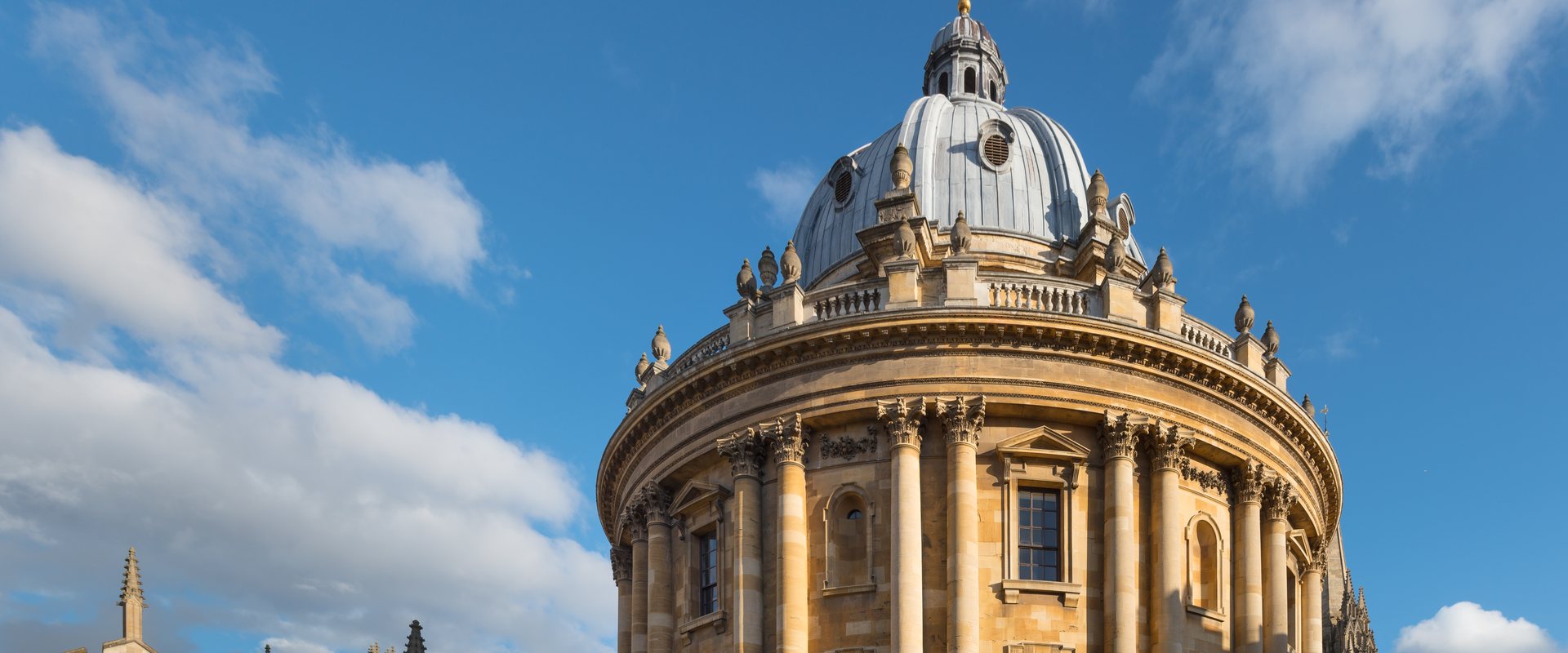
The United Kingdom is home to four of the world’s top 10 universities: Oxford (#3 QS), Cambridge (#5), Imperial College London (#8), and UCL (#9). With 3-year undergraduate degrees, the UK offers a time-efficient, prestigious education. The Graduate Route visa provides 2 years of post-study work rights. Over 500,000 international students study in the UK annually, making it the world’s second most popular destination.
Why Study in United Kingdom? Key Facts for 2026
| Factor | Details |
|---|---|
| Tuition Fees | £10,000–38,000/year |
| Living Costs | £1,000–1,800/month (London: £2,000+) |
| Student Visa | UK Student Visa (formerly Tier 4) |
| Language | English (IELTS 6.0–7.5 / TOEFL) |
| Academic Year | September/October start (some: February/March) |
Source: OECD Education at a Glance 2024, official government immigration websites, QS World University Rankings 2026. Last updated: February 2026.
What Are the Top Universities in United Kingdom?
| University | Best For | Global Ranking |
|---|---|---|
| University of Oxford | All subjects, PPE, Law, Medicine | #3 QS |
| University of Cambridge | Sciences, Mathematics, Engineering | #5 QS |
| Imperial College London | Engineering, Medicine, Sciences | #8 QS |
| University College London (UCL) | Architecture, Medicine, Law | #9 QS |
| University of Edinburgh | Medicine, Sciences, Arts | #27 QS |
What Scholarships Are Available in United Kingdom?
| Scholarship | Details |
|---|---|
| Chevening Scholarships | Full funding for 1-year master’s; 160+ countries |
| Commonwealth Scholarships | Full funding for Commonwealth students |
| Rhodes Scholarship | Oxford postgrad; full funding + stipend |
| GREAT Scholarships | £10,000+ for master’s students from 15+ countries |
How Do You Apply to Universities in United Kingdom?
- 1. Research courses via UCAS (undergraduate) or university direct (postgraduate)
- 2. Apply via UCAS (max 5 choices for undergrad) by January 15 deadline
- 3. Receive offers (conditional/unconditional) and confirm your choice (UCAS Insurance/Firm)
- 4. Meet conditions (A-level results / final transcripts)
- 5. Apply for UK Student Visa via UKVI online (biometrics, IHS surcharge)
- 6. Arrive and collect BRP (Biometric Residence Permit)
- 7. Register at university, open bank account (Monzo, Starling accept international students)
Frequently Asked Questions
How long is a UK undergraduate degree?
Most UK undergraduate degrees take 3 years in England, Wales, and Northern Ireland. Scotland typically has 4-year undergraduate degrees. Sandwich degrees (with a placement year) take 4 years. This is one year shorter than most other countries, making UK degrees more cost-efficient for international students.
What is the UK Graduate Route visa?
The Graduate Route visa allows international students who have completed a UK degree to remain in the UK and work for 2 years (3 years for PhD graduates) without a job offer. It replaced the old Tier 1 Post-Study Work visa. After 2-3 years, graduates can switch to a Skilled Worker visa with employer sponsorship.
What is the UK Student visa health surcharge (IHS)?
International students on a UK Student visa must pay the Immigration Health Surcharge (IHS) upfront as part of the visa application. The current rate is £776/year (2024). A 3-year degree costs £2,328 in IHS, plus visa fees. This gives access to NHS healthcare during your studies at the same level as UK residents.
What is UCAS and how does it work?
UCAS (Universities and Colleges Admissions Service) is the UK’s centralized undergraduate admissions system. International students apply through UCAS, choosing up to 5 courses at different universities. The main deadline is January 15 (for Oxford and Cambridge: October 15). Medicine, dentistry, and veterinary science have the same October deadline.
How much does it cost to study in London?
London is significantly more expensive than other UK cities. Estimated monthly costs in London: rent £900–1,600 (shared room to studio), food £300–500, transport £100–160 (Travelcard Zone 1-2), and personal expenses £200–400. Total: £1,500–2,700/month. Universities like UCL, King’s, and Imperial offer some student accommodation but competition is high.
Can international students work in the UK?
Yes. Students on a UK Student visa can work up to 20 hours/week during term time and full-time during official vacations. Campus jobs and graduate jobs pay £11–15/hour. London graduate salaries average £28,000–45,000 for entry-level roles in finance, technology, and consulting.
Information on this page is compiled from official government immigration sources, OECD data, and university websites. Last verified: February 2026.