
Study in Japan 2026 – Complete Guide for International Students
Complete guide to studying in Japan in 2026: MEXT scholarship, University of Tokyo, Kyoto, tuition fees, student visa, and living costs.
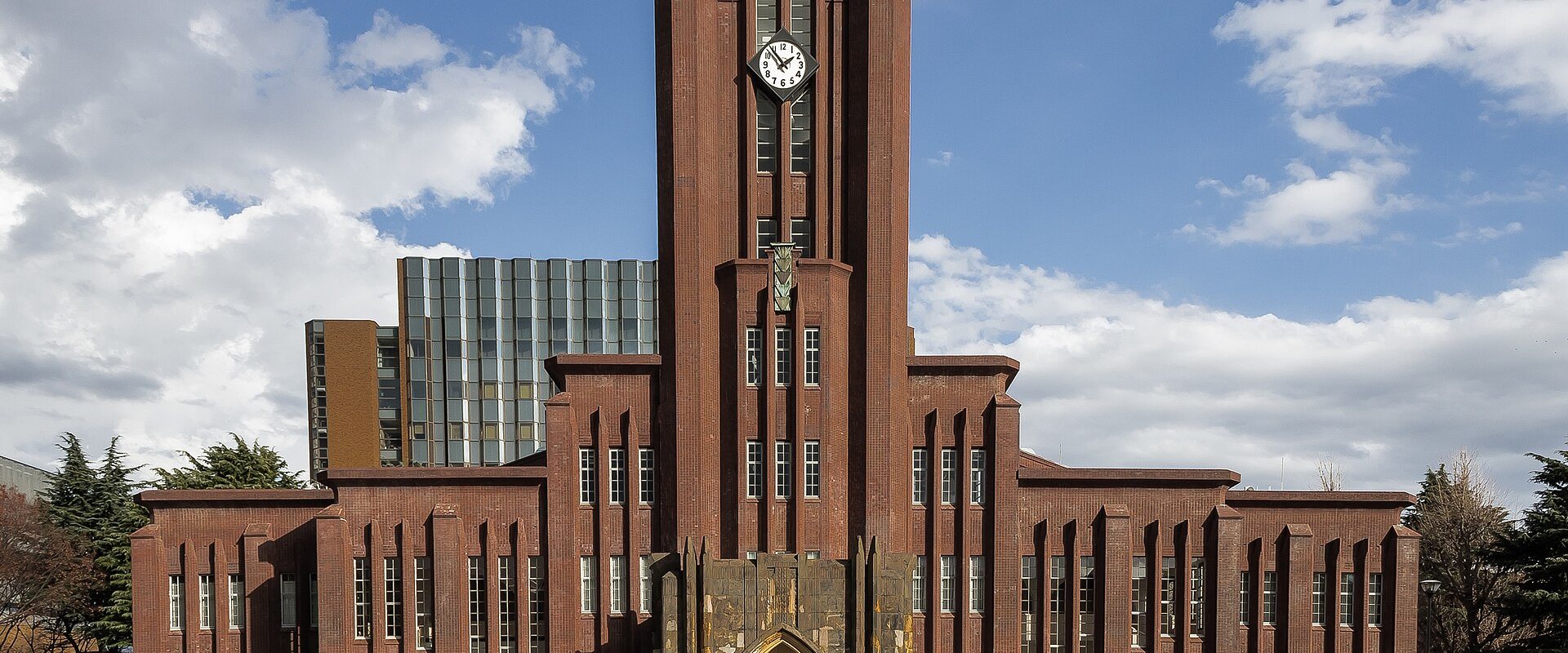
Japan is Asia’s most prestigious study destination outside China, with the University of Tokyo (#28 QS) and Kyoto University (#46) among Asia’s finest universities. Japan’s MEXT scholarship covers full tuition, monthly stipend, and accommodation – one of the world’s most generous government scholarships. Tuition at Japanese national universities is only ¥535,800/year (~$3,600), making Japan significantly more affordable than Western destinations.
Why Study in Japan? Key Facts for 2026
| Factor | Details |
|---|---|
| Tuition Fees | ¥535,800/year (~$3,600) national universities / ¥600,000–1,200,000 private |
| Living Costs | ¥100,000–150,000/month ($700–1,000) |
| Student Visa | Student Visa (留学ビザ – Ryūgaku Visa) |
| Language | Japanese JLPT N2 for most programs / 1,000+ English-taught programs |
| Academic Year | September/October start (some: February/March) |
Source: OECD Education at a Glance 2024, official government immigration websites, QS World University Rankings 2026. Last updated: February 2026.
What Are the Top Universities in Japan?
| University | Best For | Global Ranking |
|---|---|---|
| University of Tokyo | Sciences, Engineering, Law, Medicine | #28 QS |
| Kyoto University | Sciences, Medicine, Humanities | #46 QS |
| Osaka University | Sciences, Medicine, Engineering | #80 QS |
| Tokyo Institute of Technology | Engineering, Sciences | #91 QS |
| Tohoku University | Engineering, Sciences, Medicine | #95 QS |
What Scholarships Are Available in Japan?
| Scholarship | Details |
|---|---|
| MEXT Scholarship | Full tuition + ¥117,000–145,000/month stipend + airfare; highly competitive |
| JASSO Scholarship | ¥48,000/month for privately-financed students |
| University-specific JASSO Top Scholarship | ¥80,000/month + tuition waiver at select universities |
| Japanese government bilateral scholarships | Country-specific; check Japanese embassy |
How Do You Apply to Universities in Japan?
- 1. Research programs (JASSO’s Study in Japan portal: studyinjapan.go.jp)
- 2. Apply for MEXT scholarship through Japanese embassy (April–June deadline) OR apply directly to universities
- 3. Obtain Certificate of Eligibility (COE) from Japanese immigration via the university
- 4. Apply for Student Visa (Ryūgaku Visa) at Japanese embassy/consulate in home country
- 5. Arrive and register at municipality (Juminhyo)
- 6. Open Japanese bank account (Japan Post Bank accepted by most)
- 7. Register for National Health Insurance (Kokumin Kenko Hoken)
Frequently Asked Questions
What is the MEXT scholarship?
The MEXT (Monbukagakusho) scholarship is Japan’s government-funded scholarship for international students. It covers full tuition, a monthly living stipend (¥117,000 for undergraduates, ¥144,000 for doctoral students), accommodation support, and return airfare. Applications are competitive and made through Japanese embassies. MEXT recipients must conduct research in their sponsor’s field.
Do I need to speak Japanese to study in Japan?
Most undergraduate programs require Japanese proficiency (JLPT N2 or higher, or EJU Japanese exam). However, Japan now offers 1,000+ English-taught programs, particularly at master’s and doctoral level through programs like PEAK (University of Tokyo), GSEC, GSGC, and various MEXT-designated programs. Check specific program requirements carefully.
How expensive is it to live in Japan as a student?
Japan is more affordable than its reputation suggests. Monthly costs: rent ¥40,000–80,000 in student dormitories/shared accommodation, food ¥30,000–50,000, transport ¥5,000–10,000, utilities ¥5,000–10,000. Total: ¥100,000–150,000/month (~$700–1,000). Tokyo is most expensive; Kyoto, Sendai, and Osaka are more affordable.
Can I work while studying in Japan?
Yes. International students with a student visa can work up to 28 hours/week during term and full-time during official vacations with a ‘Permission to Engage in Activity Other than that Permitted under the Status of Residence Previously Granted’ (Resource Activity permission), obtained at immigration. Part-time wages: ¥1,000–1,200/hour (Tokyo minimum wage: ¥1,113/hour 2024).
What is the EJU (Examination for Japanese University Admission)?
The EJU is the standard entrance exam for international students applying to Japanese universities. It tests Japanese language ability, and optionally: science (physics, chemistry, biology), mathematics, Japan/world studies. Held twice yearly (June and November). Required by most national universities. Private universities and English-taught programs may not require it.
What are the career prospects after studying in Japan?
Japan’s job market for international graduates has improved significantly. Large companies in manufacturing (Toyota, Sony, Panasonic), technology (SoftBank, Fujitsu, NEC), and finance actively recruit international graduates. Japan issued 343,000+ work visas in 2023. Knowledge of Japanese (N2+) dramatically improves employment prospects. The post-study work visa allows job searching after graduation.
Information on this page is compiled from official government immigration sources, OECD data, and university websites. Last verified: February 2026.