
Best Universities in South Korea 2026
South Korea has emerged as one of Asia’s most dynamic and exciting study destinations, combining world-class universities, cutting-edge technology, a thriving pop culture scene, and an increasingly global outlook.
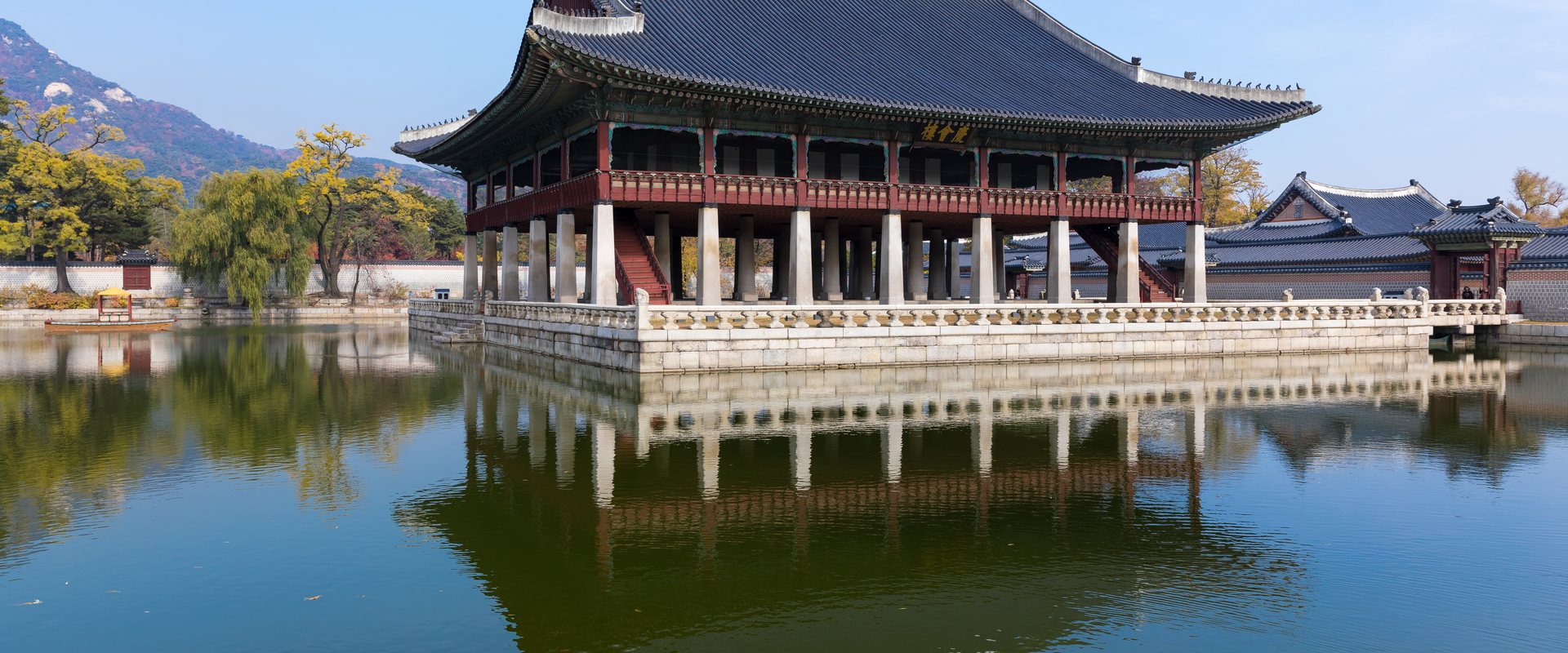
The best universities in South Korea in 2026 are Seoul National University, KAIST, and Yonsei University. South Korea has 190+ higher education institutions. Tuition fees at public universities average KRW 4,000,000 – 6,000,000/year ($3,000 – $4,500). The average cost of living for students is approximately KRW 800,000 – 1,500,000/month ($600 – $1,100).
South Korea’s transformation from a war-torn nation in the 1950s to the world’s 13th largest economy is one of the most remarkable development stories in modern history, often called the “Miracle on the Han River.” This economic miracle was built on a foundation of education – the Korean government invested heavily in human capital, and today South Korea boasts one of the highest tertiary education attainment rates in the world, with over 70% of young adults holding a university degree. The country is home to global technology giants like Samsung, Hyundai, LG, SK Group, and POSCO, all of which maintain deep partnerships with Korean universities, creating a seamless pipeline from classroom to career. For international students, South Korea offers a unique combination: the academic rigour and research output of a top-tier developed nation, the cultural richness and excitement of East Asia’s most trend-setting society, the safety and efficiency of one of the world’s best-run countries, and tuition fees that are a fraction of what comparable institutions charge in the United States, United Kingdom, or Australia.
South Korea at a Glance
| Total Universities | ~400 universities (43 national/public, 350+ private) |
| International Students | 170,000+ (rapidly growing; government target of 300,000 by 2027) |
| Tuition (National Universities) | KRW 4–6 million/year (~USD 3,000–4,500) |
| Tuition (Private Universities) | KRW 8–18 million/year (~USD 6,000–14,000) |
| Living Costs | KRW 800,000–1,200,000/month (~USD 600–900) |
| Language of Instruction | Korean & English (growing number of English-taught programmes, especially at graduate level) |
| Academic Year | March – December (2 semesters: March–June, September–December) |
| Top Student City | Seoul (QS Best Student Cities top 10) |
| Student Visa | D-2 Student Visa (subtype varies by programme level) |
| Post-Study Work | D-10 Job Search Visa (up to 2 years for qualifying graduates) |
| Currency | KRW (Korean Won); ≈ USD 1 = KRW 1,350 |
Source: Compiled from QS World University Rankings, Times Higher Education, and ARWU 2026 data.
What Are the Top Universities in South Korea for 2026?
| Rank (KR) | University | City | World Rank (QS 2026) | Founded | Students | Type | Tuition Intl./Year |
|---|---|---|---|---|---|---|---|
| 1 | Seoul National University (SNU) | Seoul | #42 | 1946 | 28,000+ | National | KRW 4–6M (~USD 3,000–4,500) |
| 2 | KAIST (Korea Advanced Institute of Science and Technology) | Daejeon | #56 | 1971 | 11,000+ | National (Special) | KRW 4–6M (~USD 3,000–4,500) |
| 3 | Yonsei University | Seoul | #67 | 1885 | 38,000+ | Private | KRW 8–12M (~USD 6,000–9,000) |
| 4 | Korea University | Seoul | #79 | 1905 | 37,000+ | Private | KRW 8–12M (~USD 6,000–9,000) |
| 5 | Pohang University of Science and Technology (POSTECH) | Pohang | #100 | 1986 | 3,500+ | Private | KRW 6–8M (~USD 4,500–6,000) |
| 6 | Sungkyunkwan University (SKKU) | Seoul / Suwon | #120 | 1398 | 34,000+ | Private (Samsung-affiliated) | KRW 8–14M (~USD 6,000–10,500) |
| 7 | Hanyang University | Seoul / Ansan | #151 | 1939 | 36,000+ | Private | KRW 8–12M (~USD 6,000–9,000) |
| 8 | Kyung Hee University | Seoul / Yongin | #312 | 1949 | 35,000+ | Private | KRW 7–11M (~USD 5,200–8,200) |
| 9 | Sogang University | Seoul | #420 | 1960 | 14,000+ | Private (Jesuit) | KRW 8–11M (~USD 6,000–8,200) |
| 10 | Ewha Womans University | Seoul | #350–400 | 1886 | 20,000+ | Private | KRW 7–11M (~USD 5,200–8,200) |
| 11 | UNIST (Ulsan National Institute of Science and Technology) | Ulsan | #200–250 | 2009 | 4,500+ | National (Special) | KRW 4–6M (~USD 3,000–4,500) |
| 12 | Inha University | Incheon | #450–500 | 1954 | 22,000+ | Private | KRW 7–10M (~USD 5,200–7,500) |
| 13 | Konkuk University | Seoul | #450–500 | 1946 | 27,000+ | Private | KRW 7–10M (~USD 5,200–7,500) |
| 14 | Chung-Ang University | Seoul / Anseong | #450–500 | 1918 | 33,000+ | Private | KRW 7–11M (~USD 5,200–8,200) |
| 15 | Hankuk University of Foreign Studies (HUFS) | Seoul / Yongin | #500–550 | 1954 | 18,000+ | Private | KRW 7–10M (~USD 5,200–7,500) |
| 16 | Ajou University | Suwon | #500–550 | 1973 | 16,000+ | Private | KRW 7–10M (~USD 5,200–7,500) |
| 17 | Pusan National University | Busan | #451–500 | 1946 | 30,000+ | National | KRW 4–6M (~USD 3,000–4,500) |
| 18 | Kyungpook National University | Daegu | #501–550 | 1946 | 32,000+ | National | KRW 4–6M (~USD 3,000–4,500) |
| 19 | Dongguk University | Seoul | #550–600 | 1906 | 22,000+ | Private (Buddhist) | KRW 7–10M (~USD 5,200–7,500) |
| 20 | Chonnam National University | Gwangju | #550–600 | 1952 | 28,000+ | National | KRW 4–6M (~USD 3,000–4,500) |
Rankings based on the QS World University Rankings 2026. South Korea’s higher education system is dominated by private universities, though the national universities (SNU, KAIST, POSTECH, UNIST, Pusan National) are generally the most prestigious and affordable. The “SKY” universities – Seoul National University, Korea University, and Yonsei University – are considered South Korea’s Ivy League equivalent and are the most competitive to enter. KAIST and POSTECH are specialised science and technology institutes offering most courses in English. Sungkyunkwan University (SKKU), founded in 1398 during the Joseon Dynasty, is one of the oldest universities in the world. Many Korean universities offer generous scholarships to attract international talent.
Seoul National University (SNU), established in 1946, is the undisputed flagship of Korean higher education. Located in the Gwanak district of Seoul, SNU consistently ranks in the global top 50 and is the most selective university in the country. Its alumni include numerous presidents, prime ministers, Supreme Court justices, and CEOs of major Korean corporations. KAIST, based in the science city of Daejeon, is Korea’s MIT equivalent – a research-intensive institution where the vast majority of graduate courses are taught in English and where all admitted graduate students receive full tuition scholarships and monthly stipends. Yonsei University, one of Korea’s oldest and most international universities (founded by Christian missionaries in 1885), operates the prestigious Underwood International College (UIC), one of the most sought-after English-language liberal arts programmes in Asia. Korea University, founded in 1905, is known for its fierce rivalry with Yonsei (expressed annually in the “Ko-Yon” games, Korea’s equivalent of the Harvard-Yale game) and its strength in law, business, and political science. POSTECH, funded by the steel giant POSCO and located in the coastal city of Pohang, is a small but elite research university that consistently ranks among the top young universities in the world, with a student-to-faculty ratio that rivals Caltech. Sungkyunkwan University (SKKU) traces its origins to the Joseon Dynasty royal academy founded in 1398, making it over 600 years old, yet it is today closely affiliated with Samsung Electronics and is a powerhouse in semiconductor and AI research.
What Are the Best Universities in South Korea for Medicine?
Medical studies in South Korea follow a rigorous 6-year programme (pre-medical 2 years + medical 4 years) after which graduates must pass the Korean Medical Licensing Examination (KMLE). South Korean medical schools are among the most competitive in Asia, and the country’s healthcare system is ranked one of the best in the world. Most undergraduate medical programmes are taught in Korean, though some research-oriented graduate programmes are available in English. South Korea is a global leader in cosmetic surgery, robotic surgery, and cancer treatment, making it an excellent destination for aspiring medical professionals.
South Korea’s medical sector has gained enormous international recognition in recent years. The country is the world’s top destination for medical tourism, attracting over 600,000 medical tourists annually. Korean hospitals like Asan Medical Center (the largest single-site hospital in the world by patient volume), Samsung Medical Center, and Severance Hospital are globally renowned for excellence in cancer treatment, organ transplantation, and minimally invasive surgery. The Korean government has invested heavily in biomedical research, and Korean medical universities are at the forefront of precision medicine, stem cell research, AI-assisted diagnostics, and pharmaceutical development. Admission to medical school in Korea is extremely competitive – only the top 1–2% of students gain entry, and the profession is the most prestigious and highest-paid in the country. For international students interested in medical research or public health at the graduate level, several Korean universities offer English-taught programmes with strong scholarship support.
| Rank | University | City | Teaching Hospital | Specialties |
|---|---|---|---|---|
| 1 | Seoul National University College of Medicine | Seoul | Seoul National University Hospital (Bundang & Boramae) | Oncology, Transplant Surgery, Cardiology, Genomic Medicine, Public Health |
| 2 | Yonsei University College of Medicine (Severance) | Seoul | Severance Hospital, Gangnam Severance | Cancer Research, Robotic Surgery, Neuroscience, Rehabilitation, International Healthcare |
| 3 | Sungkyunkwan University School of Medicine | Seoul | Samsung Medical Center | Oncology, Organ Transplant, Precision Medicine, AI-assisted Diagnostics, Cardiology |
| 4 | University of Ulsan College of Medicine | Seoul | Asan Medical Center (largest hospital in Korea) | Liver Transplant (world leader), Cardiothoracic Surgery, Gastroenterology, Emergency Medicine |
| 5 | Korea University College of Medicine | Seoul | Korea University Anam Hospital, Guro Hospital, Ansan Hospital | Infectious Diseases, Orthopedics, Psychiatry, Dermatology, Biomedical Research |
What Are the Best Universities in South Korea for Engineering?
South Korea is a global engineering powerhouse, and its universities are deeply integrated with the country’s massive industrial base. The nation is the world’s largest producer of semiconductors and memory chips (Samsung, SK Hynix), a top-five producer of automobiles (Hyundai, Kia), a leader in shipbuilding (Hyundai Heavy Industries, Daewoo, Samsung Heavy), and a pioneer in 5G telecommunications, robotics, and battery technology. Korean engineering graduates from top universities are recruited aggressively by these conglomerates, and many programmes include mandatory internships with industry partners. KAIST in particular is considered one of the best engineering schools in the world, with its graduates founding numerous successful tech start-ups and holding key positions at global technology companies. Hanyang University was originally founded as an engineering school and remains Korea’s most industry-connected university, with the highest number of patents among Korean universities. SKKU’s Semiconductor Systems Engineering department, operated in partnership with Samsung Electronics, is one of the only dedicated semiconductor programmes of its kind in the world.
| Rank | University | City | Top Fields | Industry Partners |
|---|---|---|---|---|
| 1 | KAIST | Daejeon | Computer Science, Electrical Engineering, AI, Robotics, Materials Science | Samsung, LG, SK Hynix, Hyundai, NAVER, Kakao |
| 2 | Seoul National University | Seoul | Mechanical, Electrical, Civil, Chemical, Nuclear Engineering | Samsung, Hyundai, POSCO, LG, Korea Hydro & Nuclear Power |
| 3 | POSTECH | Pohang | Materials Science, Chemical Engineering, Industrial Engineering, Mechanical Engineering | POSCO, Samsung SDI, LG Chem, SK Innovation |
| 4 | Hanyang University (ERICA) | Seoul / Ansan | Architecture, Automotive Engineering, Electronics, Industrial Design, Construction | Hyundai, Kia, Samsung Engineering, Doosan, Hanwha |
| 5 | Sungkyunkwan University (SKKU) | Seoul / Suwon | Semiconductor Engineering, AI, Software, Electronics, Energy | Samsung Electronics (official partner), Samsung SDI, SK Hynix |
How Much Does It Cost to Study in South Korea?
One of South Korea’s greatest advantages as a study destination is its affordability relative to academic quality. While Korean universities compete with institutions in the USA, UK, and Australia in global rankings, their tuition fees are a fraction of what comparable Western universities charge. National (public) universities are particularly affordable, with annual tuition often below USD 4,500 – comparable to studying in Germany or France. Private universities charge more, but even the most expensive Korean private universities rarely exceed USD 14,000/year, which is still far less than tuition at comparable private institutions in the USA (USD 50,000+) or the UK (GBP 20,000+). When you factor in the generous scholarship programmes available to international students and the reasonable cost of living, South Korea emerges as one of the best value-for-money study destinations in the world. The Korean Won (KRW) also tends to be favourably valued for students from Western countries, stretching budgets further.
| Expense | Annual Cost (KRW) | Annual Cost (USD approx.) | Notes |
|---|---|---|---|
| Tuition (National University) | KRW 4,000,000–6,000,000 | ~USD 3,000–4,500 | SNU, KAIST, Pusan National, Kyungpook National; KAIST/POSTECH often waive tuition for graduate students |
| Tuition (Private University) | KRW 8,000,000–18,000,000 | ~USD 6,000–14,000 | Yonsei, Korea U, SKKU, Hanyang, Sogang; medical/engineering programmes at higher end |
| Accommodation | KRW 3,600,000–7,200,000 | ~USD 2,700–5,400 | KRW 300,000–600,000/month; on-campus dormitories (goshiwon), officetel, shared apartments (wonsil) |
| Food & Groceries | KRW 3,000,000–4,800,000 | ~USD 2,200–3,600 | KRW 250,000–400,000/month; campus cafeterias KRW 3,000–5,000/meal; street food very affordable |
| Transport | KRW 600,000–960,000 | ~USD 450–720 | KRW 50,000–80,000/month; T-money card for metro/bus; excellent public transport nationwide |
| Health Insurance (NHIS) | KRW 840,000–960,000 | ~USD 630–720 | Mandatory National Health Insurance ~KRW 70,000–80,000/month; covers 60–70% of medical costs |
| Books & Materials | KRW 300,000–600,000 | ~USD 220–450 | University libraries excellent; digital resources widely available; second-hand bookshops near campuses |
| Personal & Leisure | KRW 1,200,000–2,400,000 | ~USD 900–1,800 | KRW 100,000–200,000/month; K-entertainment, cafes, shopping, weekend trips; mobile plans KRW 30,000–50,000/month |
| TOTAL (National Uni) | KRW 13,500,000–22,900,000 | ~USD 10,000–17,000 | Highly affordable compared to Japan, Singapore, Australia, or the USA |
| TOTAL (Private Uni) | KRW 17,500,000–34,900,000 | ~USD 13,000–26,000 | Scholarship coverage of 30–100% of tuition is common for international students |
Cost of Living by City
| City | Avg. Rent/Month | Overall Cost/Month | Top Universities |
|---|---|---|---|
| Seoul | KRW 400,000–700,000 (~USD 300–520) | KRW 1,000,000–1,500,000 (~USD 740–1,110) | SNU, Yonsei, Korea U, SKKU, Hanyang, Sogang, Ewha, Kyung Hee, Konkuk, Dongguk |
| Busan | KRW 250,000–450,000 (~USD 185–335) | KRW 700,000–1,000,000 (~USD 520–740) | Pusan National University, Dong-A University, Pukyong National University |
| Daejeon | KRW 200,000–400,000 (~USD 150–300) | KRW 650,000–950,000 (~USD 480–700) | KAIST, Chungnam National University, Hanbat National University |
| Daegu | KRW 200,000–380,000 (~USD 150–280) | KRW 600,000–900,000 (~USD 445–670) | Kyungpook National University, Keimyung University, Yeungnam University |
| Incheon | KRW 250,000–450,000 (~USD 185–335) | KRW 700,000–1,000,000 (~USD 520–740) | Inha University, University of Incheon, Songdo Global Campus (multiple) |
| Gwangju | KRW 180,000–350,000 (~USD 135–260) | KRW 550,000–850,000 (~USD 410–630) | Chonnam National University, Chosun University, Gwangju Institute of Science and Technology (GIST) |
| Suwon | KRW 250,000–450,000 (~USD 185–335) | KRW 700,000–1,000,000 (~USD 520–740) | SKKU (Natural Sciences Campus), Ajou University, Kyonggi University |
Seoul is by far the most popular city for international students, hosting the majority of Korea’s top universities and offering the most vibrant social life, nightlife, cultural attractions, and career opportunities. However, it is also the most expensive city in Korea. Students on a tighter budget should consider Daejeon (home to KAIST), Gwangju, or Daegu, where living costs can be 30–40% lower than Seoul while still offering excellent quality of life. Busan, Korea’s second-largest city and home to beautiful beaches, a famous film festival, and a more relaxed atmosphere, is an increasingly popular alternative. Incheon, adjacent to Seoul and home to the Songdo International Business District (a purpose-built “smart city” with campuses of several international universities), offers a modern living environment with lower rents than central Seoul. A key consideration for Korean accommodation is the jeonse (key money) system – a uniquely Korean rental arrangement where tenants pay a large upfront deposit instead of monthly rent. Most student housing, dormitories, and goshiwon (small single rooms), however, use the standard wolse (monthly rent) system.
How Do You Apply to Universities in South Korea?
The application process for South Korean universities is straightforward but requires careful preparation, especially regarding document authentication. Unlike many Western countries, Korean universities generally do not use centralised application portals – students apply directly to each university. The primary academic year in Korea begins in March (not September, as in most Western countries), though most universities also offer a September intake. The Study in Korea (studyinkorea.go.kr) portal, operated by the Korean government, is the best starting point for international students, providing comprehensive information on programmes, scholarships, visa procedures, and life in Korea.
- Research programmes – Use the Study in Korea portal (official government website), the TOPIK (Test of Proficiency in Korean) website, and individual university admission pages. South Korea offers an expanding catalogue of English-taught programmes, especially at the graduate level. KAIST and POSTECH conduct most graduate courses in English. The Study in Korea portal lists all available programmes for international students and provides detailed application guides.
- Credential recognition – International students must submit apostilled or embassy-verified academic documents including high school diploma (for undergraduate) or Bachelor’s degree (for graduate). Some universities require document verification through the Korean Consular Confirmation system. Transcripts typically need official English or Korean translations.
- Language requirements – For Korean-taught programmes: TOPIK Level 3–4 (some require Level 5–6). For English-taught programmes: IELTS 5.5–6.5 or TOEFL iBT 70–90+. Many universities offer a conditional admission pathway where students first attend a Korean language programme (usually 1 year) before starting their degree. KAIST and POSTECH accept students with only English proficiency for most programmes.
- Apply directly to the university – Most Korean universities accept applications 2–4 months before the semester starts. For the March intake (primary): applications typically open September–November. For the September intake: applications open March–May. Apply via the university’s online application portal. Required documents usually include: application form, personal statement, recommendation letters, academic transcripts, passport copy, language certificates, and a study plan.
- Apply for the D-2 student visa – After receiving your admission letter (Standard Admission Letter), apply at the Korean embassy or consulate in your home country. Required: admission letter, proof of financial means (typically KRW 20,000,000+ in bank statement or equivalent), health check, passport, and visa application fee. Processing takes 1–4 weeks.
- Register for Alien Registration Card (ARC) – Within 90 days of arrival, register at your local immigration office to receive your Alien Registration Card. This is essential for banking, mobile phone contracts, part-time work permits, and access to the National Health Insurance System (NHIS). Most universities assist with this process during orientation week.
Scholarships for Studying in South Korea
South Korea is one of the most scholarship-friendly countries in the world for international students. The Korean government, recognising that attracting global talent is essential to the country’s future competitiveness, has established the Korean Government Scholarship Program (KGSP/GKS) as one of the most comprehensive fully-funded scholarships available anywhere. Beyond KGSP, virtually every Korean university offers automatic merit-based tuition reductions for international students – it is common for international students to receive 30–70% tuition scholarships simply by maintaining good grades or achieving a strong TOPIK score. At research-focused institutions like KAIST, POSTECH, and UNIST, all admitted graduate students receive full tuition waivers and monthly stipends regardless of nationality. Korean corporate foundations affiliated with chaebols like Samsung, LG, SK, and POSCO also fund substantial scholarship programmes at partner universities. The result is that the effective cost of studying in South Korea can be significantly lower than the sticker price – many international students pay little to no tuition.
| Scholarship | Amount | Eligibility | Deadline |
|---|---|---|---|
| KGSP (Korean Government Scholarship Program / GKS) | Full tuition + KRW 900,000–1,000,000/month stipend + airfare + insurance + settlement allowance + Korean language training (1 year) | International students from 160+ partner countries for undergraduate (4 years + 1 year Korean language) or graduate (2–3 years + 1 year Korean language) studies at designated Korean universities | February–March (embassy track); varies (university track) |
| University-Specific Scholarships | 30–100% tuition reduction; some include living stipend | Most Korean universities offer automatic merit-based tuition reductions for international students based on GPA, TOPIK score, or admission ranking. SNU, Yonsei, Korea U, SKKU, and Hanyang have extensive international scholarship programmes | Concurrent with admission application |
| KAIST International Student Scholarship | Full tuition + monthly stipend (KRW 350,000+) for all admitted graduate students | All international graduate students admitted to KAIST; no separate application needed | With KAIST graduate admission |
| POSTECH International Fellowship | Full tuition + monthly stipend + housing support | International graduate students admitted to POSTECH programmes | With POSTECH graduate admission |
| Korean Foundation for Advanced Studies (KFAS) | Full tuition + living allowance + research funds | Graduate and postdoctoral researchers; must be nominated by participating universities | Varies by university nomination cycle |
What Is Student Life Like in South Korea?
Studying in South Korea is an immersive experience unlike any other country. The combination of a hyper-modern, technology-driven society with deep Confucian traditions, an electrifying pop culture scene, and one of the world’s most efficient urban environments creates a student lifestyle that is simultaneously exhilarating and uniquely comfortable. Seoul, with its 10 million residents (25 million in the greater metropolitan area), is a megacity that never sleeps, offering everything from traditional Joseon-era palaces and Buddhist temples to neon-lit entertainment districts, Michelin-starred restaurants, and the latest technology showrooms. University campuses in Korea are vibrant communities with extensive student organisations (called donari or clubs), festivals (daedongje), and a strong drinking culture centred around soju and chimaek (fried chicken and beer). The tight-knit nature of Korean university social life means that international students who engage actively will quickly build deep friendships and connections.
- Work while studying: International students on a D-2 visa can work up to 20 hours per week during semesters (after 6 months of study and with immigration office approval) and unlimited hours during vacations. A part-time work permit must be obtained from the local immigration office. Common student jobs include English tutoring, translation, campus work, and service industry positions. After graduation, the D-10 Job Search Visa allows up to 2 years to find employment in South Korea – one of the most generous post-study work arrangements in Asia.
- Korean Wave (Hallyu) & K-culture: South Korea is the epicentre of the Korean Wave – a global cultural phenomenon encompassing K-pop (BTS, BLACKPINK, Stray Kids), K-drama (Netflix sensations like Squid Game, Crash Landing on You), Korean cinema (Parasite, the first non-English Best Picture Oscar winner), K-beauty, and Korean cuisine. Many international students are initially drawn to South Korea by their love of Korean culture, and studying in Korea provides unparalleled access to entertainment, fan events, idol concerts, drama filming locations, and cultural experiences that simply cannot be replicated elsewhere.
- Technology & connectivity: South Korea has the fastest average internet speed in the world and is a global leader in 5G technology, semiconductors, and digital innovation. Campuses are fully wired with ultra-high-speed Wi-Fi, and the entire country operates as a high-tech ecosystem. From cashless payments (KakaoPay, Samsung Pay) to AI-powered convenience stores, studying in Korea means living at the forefront of technology. This environment is particularly advantageous for students in computer science, engineering, and business.
- Safety & quality of life: South Korea is one of the safest countries in the world, with extremely low crime rates and a highly efficient public transport system (KTX high-speed trains, Seoul Metro with 23 lines, intercity buses). It is completely normal to walk alone at night, leave belongings unattended in cafes, and use public transport at any hour. Healthcare is excellent and affordable through the mandatory NHIS system.
- Nightlife & social culture: Korean university culture revolves around MT (Membership Training) – bonding retreats for student groups – and hoesik (group dining and socialising). Seoul’s neighbourhoods like Hongdae, Gangnam, Itaewon, and Sinchon are legendary nightlife districts with clubs, bars, noraebang (karaoke rooms), PC bangs (gaming cafes), and 24-hour restaurants. Korea’s “ppalli ppalli” (hurry hurry) culture means that almost everything – food delivery, shopping, services – is available 24/7.
- Food culture: Korean cuisine is one of the richest and most diverse in the world. From kimchi, bibimbap, and bulgogi to street food markets like Gwangjang Market and Myeongdong, students enjoy incredible food at very affordable prices. A full Korean meal at a campus restaurant costs just KRW 3,000–5,000 (~USD 2–4). The tradition of banchan (free side dishes with every meal) means you always eat well, even on a student budget.
Frequently Asked Questions
How much does it cost to study in South Korea?
South Korea offers excellent value for money compared to other top study destinations in Asia and the West. National university tuition ranges from KRW 4–6 million/year (~USD 3,000–4,500), which is lower than most public universities in the USA, UK, or Australia. Private university tuition ranges from KRW 8–18 million/year (~USD 6,000–14,000), still affordable by global standards. Living costs in Seoul average KRW 1,000,000–1,500,000/month (~USD 740–1,110), while cities like Daejeon, Gwangju, and Daegu can be 30–40% cheaper. The total annual budget for a student at a national university is approximately USD 10,000–17,000, making South Korea one of the most cost-effective countries for a world-class education. Additionally, most Korean universities offer automatic tuition scholarships (30–100% reduction) for international students based on grades and TOPIK scores, significantly reducing the actual cost.
Do I need to speak Korean to study in South Korea?
Not necessarily. South Korea has been rapidly expanding its English-taught programmes, especially at the graduate level. Institutions like KAIST, POSTECH, UNIST, and SNU’s Graduate School of International Studies offer most or all of their graduate programmes in English. Many private universities including Yonsei (Underwood International College), Korea University (International Studies), SKKU, and Sogang offer English-track undergraduate and graduate programmes. However, for daily life, social integration, and career prospects in Korea, learning Korean is highly recommended. Most universities offer free or affordable Korean language courses for international students. Achieving TOPIK Level 3 or higher can also unlock additional scholarships and make part-time work much easier to find.
What are the SKY universities?
SKY is the acronym for South Korea’s three most prestigious universities: Seoul National University (S), Korea University (K), and Yonsei University (Y). These three institutions are widely considered the Korean equivalent of the Ivy League and graduating from a SKY university carries immense prestige in Korean society and the job market. Entry is extremely competitive – Korean high school students prepare for years for the Suneung (College Scholastic Ability Test) to gain admission. For international students, the admission process is separate and somewhat less competitive, though still demanding. SKY graduates dominate leadership positions in Korean corporations (chaebols like Samsung, Hyundai, LG, SK), government, law, and medicine.
What is the Korean Government Scholarship Program (KGSP)?
The KGSP (also known as GKS – Global Korea Scholarship) is South Korea’s flagship fully-funded scholarship programme for international students. It covers full tuition, a monthly stipend of KRW 900,000–1,000,000, round-trip airfare, medical insurance, a settlement allowance, and typically includes one year of Korean language training before the degree programme begins. There are two application tracks: the embassy track (apply through the Korean embassy in your home country) and the university track (apply directly through a participating Korean university). The programme is open to citizens of 160+ countries and covers undergraduate (4 years + 1 year language), Master’s (2 years + 1 year language), and doctoral (3 years + 1 year language) degrees. Competition is strong, but the scholarship is highly achievable with good academics, a compelling study plan, and demonstrated interest in Korean culture.
Can I work after graduating in South Korea?
Yes, and South Korea offers one of the most generous post-study work policies in Asia. After graduation, international students can apply for the D-10 Job Search Visa, which allows up to 2 years to find employment in South Korea. Once you secure a job, you can switch to an E-7 (Professional Worker) or other appropriate work visa. South Korea’s booming technology sector, the global presence of Korean chaebols (Samsung, Hyundai, LG, SK, POSCO), and the country’s growing start-up ecosystem (especially in Seoul’s Gangnam and Pangyo “Silicon Valley of Korea”) create strong employment opportunities, particularly for graduates in engineering, IT, business, and Korean language-related fields. Proficiency in both Korean and English is a major career advantage.
Is South Korea safe for international students?
South Korea is one of the safest countries in the world for students. The country has extremely low rates of violent crime, and it is common for people to walk alone at night, leave personal belongings unattended in public spaces, and use public transport at any hour without concern. The police and emergency services are efficient and responsive (dial 112 for police, 119 for fire/ambulance). South Korea’s healthcare system is excellent, with the National Health Insurance System (NHIS) covering international students and keeping medical costs very affordable. The public transport network – Seoul’s 23-line metro system, the nationwide KTX high-speed rail, and extensive intercity bus networks – is among the best in the world. Natural disasters are rare, and the country has robust infrastructure for any weather conditions. The only geopolitical consideration is the theoretical security situation with North Korea, but daily life in South Korea is completely unaffected, and the country has maintained stability for over 70 years.
Why Choose South Korea?
South Korea stands out as a study destination for students who want the best of all worlds: top-tier academics, affordable tuition, generous scholarships, cutting-edge technology, a safe and efficient society, and one of the most exciting cultural environments on the planet. The country’s rapid rise from developing nation to global economic powerhouse – driven largely by its investment in education and innovation – means that Korean universities have both the resources and the ambition to compete with the world’s best. For students in STEM fields, the partnerships between Korean universities and global technology leaders like Samsung, Hyundai, LG, and SK provide unparalleled access to internships, research opportunities, and career pathways. For students in the humanities, social sciences, and arts, Korea’s rich cultural heritage, its position at the centre of the global Hallyu phenomenon, and its unique geopolitical situation (as one of the world’s most dynamic democracies bordering one of its most isolated states) provide endlessly fascinating material for study. The D-10 post-study work visa (up to 2 years) gives graduates ample time to launch their careers in one of Asia’s most dynamic economies. And with the Korean government actively working to attract 300,000 international students by 2027 – backed by increasing scholarship funding, simplified visa procedures, and expanded English-taught programmes – there has never been a better time to study in South Korea.
Compare Nearby Countries
- Best Universities in Japan – World-class research universities, MEXT scholarships, rich cultural experience, strong STEM focus
- Best Universities in China – Rapidly climbing global rankings, CSC scholarships, affordable tuition, Mandarin immersion
- Best Universities in Singapore – NUS and NTU in global top 15, English instruction, Asia’s financial hub, multicultural
- Best Universities in Taiwan – Low tuition, Mandarin learning, excellent tech sector, friendly student environment
- Best Universities in India – IITs and IIMs world-renowned, ultra-affordable, enormous diversity, growing research output
- Best Universities in Australia – Group of Eight in global top 100, post-study work rights, English-speaking, quality of life
View All Universities in Asia →
Related Rankings
- Best Medical Schools Worldwide 2026
- Best Engineering Universities Worldwide 2026
- Best Computer Science Universities 2026
- Best Business Schools & MBA Programs 2026
- Cheapest Countries to Study Abroad 2026
- World University Rankings 2026
- Study in South Korea – Complete Guide 2026
- Japan vs South Korea Universities Compared
Best Universities by Subject in South Korea
Looking for subject-specific rankings in South Korea? Find the top universities for each field of study: