
Best Universities in the United States (USA) 2026
The United States has the world’s most extensive and diverse higher education system, with over 5,300 institutions. American universities dominate global rankings, led by MIT, Stanford, Harvard, and Caltech.
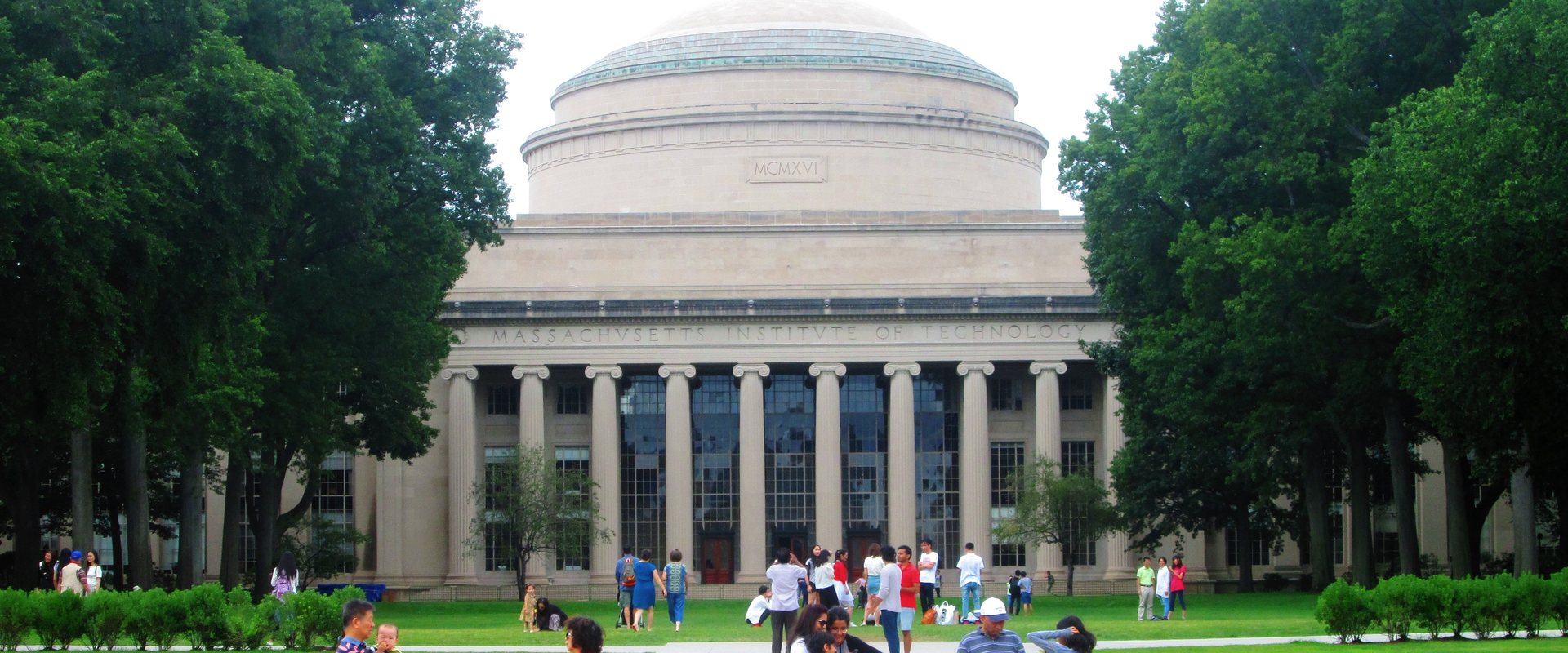
The best universities in Usa in 2026 are Massachusetts Institute of Technology, Stanford University, and Harvard University. Usa has 5,300+ higher education institutions. Tuition fees at public universities average $10,000 – $15,000/year (in-state); $25,000 – $45,000/year (out-of-state). The average cost of living for students is approximately $1,000 – $2,500/month.
United States at a Glance
| Universities & Colleges | 5,300+ |
| Capital / Main Student City | Washington, D.C. |
| International Students | 1,000,000+ |
| Language of Instruction | English |
| Currency | US Dollar (USD) |
| Tuition (Public Univ.) | $10,000 – $15,000/year (in-state); $25,000 – $45,000/year (out-of-state) |
| Living Costs | $1,000 – $2,500/month |
| Academic Calendar | August/September – May |
| Student Visa | F-1 student visa required for international students |
Source: Compiled from QS World University Rankings, Times Higher Education, and ARWU 2026 data.
What Are the Top Universities in Usa for 2026?
| Rank | University | City | World Rank | Founded | Type |
|---|---|---|---|---|---|
| 1 | Massachusetts Institute of Technology | Cambridge, MA | 1 | 1861 | Private |
| 2 | Stanford University | Stanford, CA | 2 | 1885 | Private |
| 3 | Harvard University | Cambridge, MA | 3 | 1636 | Private |
| 4 | California Institute of Technology | Pasadena, CA | 5 | 1891 | Private |
| 5 | University of California, Berkeley | Berkeley, CA | 10 | 1868 | Public |
Rankings are based on a combination of international ranking data (QS, THE, ARWU), research output, academic reputation, and student satisfaction for the 2025–2026 academic year.
What Is the Higher Education System Like in Usa?
The United States remains the world’s most popular destination for higher education, hosting nearly 1.2 million international students across more than 4,000 accredited institutions. From the ivy-covered halls of the Ivy League to cutting-edge research labs in Silicon Valley, American universities consistently dominate global rankings and produce graduates who shape industries worldwide. Whether you are drawn to the liberal arts tradition, STEM innovation, world-class medical schools, or the unparalleled campus experience, studying in the USA offers academic excellence, cultural diversity, and career opportunities that few countries can match.
Quick Facts – Studying in the USA 2026
| Total Universities & Colleges | ~4,000 degree-granting institutions |
| International Students (2024/25) | ~1,178,000 (record high) |
| Top Sending Countries | India, China, South Korea, Canada, Taiwan |
| Tuition – Public In-State | ~$11,950/year (avg.) |
| Tuition – Public Out-of-State | ~$25,400–$31,900/year (avg.) |
| Tuition – Private | ~$44,960/year (avg.) |
| Living Costs | $1,200–$3,000/month (varies by city) |
| Language of Instruction | English |
| Academic Year | August/September – May (semesters or quarters) |
| Top Student City | Boston / New York / Los Angeles |
| Student Visa | F-1 (academic), J-1 (exchange), M-1 (vocational) |
| Post-Study Work | OPT: 12 months (STEM: 36 months total) |
| Currency | US Dollar ($) |
What Are the Top Universities in Usa for 2026?
The following ranking combines the latest data from the QS World University Rankings 2026, Times Higher Education World University Rankings 2026, and U.S. News & World Report 2026. US universities hold 4 of the global top 10 positions, and no American university dropped out of the world top 100 in the latest cycle.
| Rank (US) | University | City / State | QS World Rank 2026 | Founded | Students | Type | Tuition/Year (approx.) |
|---|---|---|---|---|---|---|---|
| 1 | Massachusetts Institute of Technology (MIT) | Cambridge, MA | 1 | 1861 | ~11,900 | Private | $61,990 |
| 2 | Stanford University | Stanford, CA | 3 | 1891 | ~17,500 | Private | $62,484 |
| 3 | Harvard University | Cambridge, MA | 5 | 1636 | ~23,000 | Private | $57,261 |
| 4 | California Institute of Technology (Caltech) | Pasadena, CA | 10 | 1891 | ~2,400 | Private | $63,255 |
| 5 | University of Chicago | Chicago, IL | 13 | 1890 | ~18,500 | Private | $65,619 |
| 6 | University of Pennsylvania | Philadelphia, PA | 15 | 1740 | ~22,000 | Private | $63,452 |
| 7 | Yale University | New Haven, CT | 21 | 1701 | ~14,800 | Private | $64,700 |
| 8 | Princeton University | Princeton, NJ | 25 | 1746 | ~8,800 | Private | $59,710 |
| 9 | Columbia University | New York, NY | 38 | 1754 | ~36,600 | Private | $66,139 |
| 10 | Johns Hopkins University | Baltimore, MD | 24 | 1876 | ~27,100 | Private | $62,840 |
| 11 | Northwestern University | Evanston, IL | 42 | 1851 | ~23,500 | Private | $63,468 |
| 12 | Duke University | Durham, NC | 62 | 1838 | ~17,600 | Private | $63,450 |
| 13 | Cornell University | Ithaca, NY | 16 | 1865 | ~25,600 | Private | $65,204 |
| 14 | University of Michigan – Ann Arbor | Ann Arbor, MI | 45 | 1817 | ~48,100 | Public | $55,334 (OOS) |
| 15 | University of California, Berkeley | Berkeley, CA | 17 | 1868 | ~45,300 | Public | $47,066 (OOS) |
| 16 | University of California, Los Angeles (UCLA) | Los Angeles, CA | 46 | 1919 | ~46,100 | Public | $46,326 (OOS) |
| 17 | New York University (NYU) | New York, NY | 55 | 1831 | ~59,100 | Private | $60,438 |
| 18 | Carnegie Mellon University | Pittsburgh, PA | 53 | 1900 | ~16,800 | Private | $62,260 |
| 19 | Georgia Institute of Technology | Atlanta, GA | 123 | 1885 | ~47,000 | Public | $33,794 (OOS) |
| 20 | University of Texas at Austin | Austin, TX | 69 | 1883 | ~52,400 | Public | $41,070 (OOS) |
OOS = Out-of-State tuition (applicable to international students at public universities). Tuition figures are approximate for the 2025–2026 academic year and do not include fees, room, and board. Private university tuition applies equally to all students regardless of residency.
What Are the Best Universities in Usa for Medicine?
The United States is home to the world’s most advanced medical education system. American medical schools follow a rigorous 4-year MD program after a bachelor’s degree, and are closely tied to teaching hospitals and biomedical research centers. Note that U.S. News now uses a tier-based system rather than numerical rankings. The following institutions consistently place in the top tier.
| Rank | University / Medical School | City / State | Teaching Hospital | Notable Specialties |
|---|---|---|---|---|
| 1 | Harvard Medical School | Boston, MA | Massachusetts General Hospital, Brigham and Women’s | Oncology, Neurology, Cardiology, Genetics |
| 2 | Johns Hopkins School of Medicine | Baltimore, MD | Johns Hopkins Hospital | Surgery, Public Health, Infectious Disease, Psychiatry |
| 3 | Stanford University School of Medicine | Stanford, CA | Stanford Health Care, Lucile Packard Children’s | AI in Medicine, Biomedical Informatics, Immunology |
| 4 | Perelman School of Medicine (UPenn) | Philadelphia, PA | Hospital of the University of Pennsylvania | Cancer Research, Dermatology, Gene Therapy |
| 5 | David Geffen School of Medicine (UCLA) | Los Angeles, CA | UCLA Medical Center | Primary Care, Geriatrics, AIDS Research |
Other top-tier medical programs include the University of California, San Francisco (UCSF), Columbia Vagelos College of Physicians and Surgeons, Mayo Clinic Alix School of Medicine, Yale School of Medicine, and the Icahn School of Medicine at Mount Sinai (which recently became the first US medical school to integrate AI across its entire curriculum). For more, see our best universities for medicine page.
What Are the Best Universities in Usa for Engineering?
The United States dominates global engineering education. American engineering programs combine rigorous theoretical foundations with hands-on research and strong industry partnerships, particularly in tech hubs like Silicon Valley, Boston, and Austin.
| Rank | University | City / State | Top Engineering Fields | Major Industry Partners |
|---|---|---|---|---|
| 1 | MIT | Cambridge, MA | Computer Science, Electrical, Mechanical, Aerospace | Google, Boeing, Raytheon, NASA |
| 2 | Stanford University | Stanford, CA | Computer Science, AI/ML, Electrical, Bioengineering | Apple, Google, Tesla, Meta |
| 3 | UC Berkeley | Berkeley, CA | Electrical, Computer Science, Civil, Chemical | Intel, Microsoft, Lawrence Berkeley National Lab |
| 4 | Caltech | Pasadena, CA | Aerospace, Mechanical, Chemical, Materials Science | NASA/JPL, SpaceX, Lockheed Martin |
| 5 | Georgia Institute of Technology | Atlanta, GA | Aerospace, Industrial, Biomedical, Computer Science | Delta, Lockheed Martin, NCR, Honeywell |
Other elite engineering programs include Carnegie Mellon University (robotics, AI), University of Michigan (automotive, aerospace), Purdue University (aerospace), and University of Illinois Urbana-Champaign (computer science, electrical). See our complete best universities for engineering ranking.
The cost of attending a US university varies significantly depending on whether the institution is public or private, and whether the student qualifies for in-state or out-of-state tuition. International students at public universities almost always pay out-of-state rates. The following table shows estimated annual expenses.
| Expense Category | Public (In-State) | Public (Out-of-State) | Private University | Notes |
|---|---|---|---|---|
| Tuition & Fees | $11,950 | $25,400–$31,900 | $44,960–$65,000 | International students pay OOS at publics |
| Room & Board | $12,000–$14,000 | $12,000–$14,000 | $14,000–$20,000 | On-campus housing; off-campus may vary |
| Books & Supplies | $1,000–$1,200 | $1,000–$1,200 | $1,000–$1,200 | Digital textbooks and OER can reduce costs |
| Health Insurance | $1,500–$3,000 | $1,500–$3,000 | $2,000–$4,000 | Mandatory for F-1 visa holders |
| Personal & Transport | $2,500–$3,500 | $2,500–$3,500 | $3,000–$4,000 | Varies by city; includes phone, clothing, travel |
| Estimated Annual Total | $29,000–$33,700 | $42,400–$53,600 | $65,000–$94,200 | Before scholarships or financial aid |
Sources: College Board Trends in College Pricing 2025, U.S. News 2025–2026 Tuition Data. Many top private universities now offer generous need-based aid — families earning under $100,000–$200,000/year may pay little or no tuition at schools like MIT, Harvard, Stanford, and Princeton.
Cost of Living by City
Living costs in the United States vary dramatically by region. Major coastal cities tend to be the most expensive, while cities in the South and Midwest offer significantly lower costs. The following table shows approximate monthly costs for students in popular university cities.
| City | Avg. Rent (1-Bedroom) | Est. Monthly Cost (Total) | Top Universities |
|---|---|---|---|
| New York, NY | $3,545 | $2,500–$4,000 | Columbia, NYU, CUNY, Fordham |
| Boston, MA | $2,597 | $2,200–$3,500 | MIT, Harvard, Boston University, Northeastern |
| San Francisco, CA | $2,509 | $2,500–$4,000 | Stanford (nearby), UC Berkeley, UCSF, USF |
| Los Angeles, CA | $2,231 | $2,000–$3,200 | UCLA, USC, Caltech (Pasadena), Loyola Marymount |
| Chicago, IL | $1,584 | $1,500–$2,500 | University of Chicago, Northwestern, UIC, DePaul |
| Austin, TX | $1,350 | $1,300–$2,200 | UT Austin, St. Edward’s, Huston-Tillotson |
| Atlanta, GA | $1,402 | $1,200–$2,200 | Georgia Tech, Emory, Georgia State, Morehouse |
Rent data from RentCafe and Dwellsy (October 2025). Monthly totals include rent, food, transport, and personal expenses but exclude tuition. Living on campus or sharing an apartment can reduce costs by 30–50%.
Applying to American universities involves several steps that can differ from application processes in other countries. Here is a step-by-step overview for international students.
1. Choose Your Application Platform
Most US undergraduate programs accept applications through one or more centralized platforms:
- Common Application – Accepted by 1,000+ colleges, including all Ivy League schools
- Coalition Application – Accepted by 150+ colleges, including many public universities
- UC Application – Used exclusively by all University of California campuses
- Direct Application – Some universities (e.g., MIT, Georgetown) use their own application
2. Standardized Tests
- SAT or ACT – Many selective schools have returned to requiring SAT/ACT scores for the 2025–2026 cycle (including MIT, Yale, Dartmouth, Brown, and Georgetown). Others remain test-optional. Check each school’s policy.
- SAT Subject Tests – Discontinued; no longer required
- AP/IB Exams – Strong AP or IB scores can earn college credit and strengthen applications
3. English Language Proficiency
- TOEFL iBT – Most widely accepted; minimum scores typically 80–100 (top schools: 100+)
- IELTS Academic – Accepted by most US universities; minimum 6.5–7.0 (top schools: 7.0+)
- Duolingo English Test (DET) – Increasingly accepted; minimum 110–130
4. Application Components
- High school transcripts (with official translation and credential evaluation via WES or ECE)
- Personal essays / Supplemental essays
- Letters of recommendation (typically 2–3)
- Extracurricular activities list
- Application fee ($50–$90, fee waivers available)
5. Financial Documentation
- CSS Profile – Required by ~400 colleges for need-based financial aid
- FAFSA – Federal aid form (limited for international students, but some schools use it)
- Bank statements showing proof of funds for I-20/visa
6. Key Deadlines
- Early Decision (ED) – November 1–15 (binding commitment)
- Early Action (EA) – November 1–15 (non-binding)
- Regular Decision (RD) – January 1–15 (most common)
- Rolling Admissions – Some public universities accept applications on a rolling basis
- UC Application – November 1–30
What Scholarships Are Available for International Students in Usa?
While the sticker price of US higher education is high, generous financial aid and scholarship programs can make it affordable. Many top universities meet 100% of demonstrated financial need for all admitted students, including international students.
| Scholarship / Aid Type | Details | Amount | Eligibility |
|---|---|---|---|
| Fulbright Foreign Student Program | US government-funded; covers tuition, living, flights, insurance | Full funding | Graduate students from 155+ countries; apply through home-country commission |
| University Need-Based Aid | MIT, Harvard, Princeton, Yale, Amherst & others meet 100% need for internationals | Up to full cost of attendance | Admitted students with demonstrated financial need (need-blind or need-aware) |
| University Merit Scholarships | Awarded by many universities for academic excellence, leadership, or talent | $5,000–$50,000/year | Outstanding academic record, test scores, extracurriculars |
| Athletic Scholarships (NCAA) | Division I and II schools offer scholarships for sports including soccer, track, tennis, swimming | Partial to full tuition | Student-athletes who meet NCAA eligibility standards |
| External Scholarships | Includes AAUW, Rotary, Mastercard Foundation, Aga Khan Foundation, government-sponsored programs | Varies widely | Criteria vary; often country-specific or field-specific |
| Teaching/Research Assistantships | Available at the graduate level; provide tuition waiver + stipend | Tuition + $20,000–$40,000/year stipend | Graduate students, especially in STEM and social sciences |
Key fact: At MIT, families earning under $200,000/year with typical assets pay zero tuition as of Fall 2025. Harvard, Stanford, and Princeton have similar programs for families earning under $100,000–$150,000. Always apply for aid — you may qualify for more support than you expect.
What Is Student Life Like in Usa?
Work Rights for International Students
International students on an F-1 visa have structured work opportunities in the US:
- On-campus employment – Up to 20 hours/week during the academic year, 40 hours during breaks. No special authorization required.
- Curricular Practical Training (CPT) – Paid internships or co-ops that are part of the curriculum. Requires authorization from the Designated School Official (DSO).
- Optional Practical Training (OPT) – 12 months of work authorization in your field after completing your degree. STEM graduates can extend to 36 months total with the STEM OPT extension.
- Severe Economic Hardship – Off-campus work authorization in cases of unforeseen financial difficulties.
Campus Culture
American universities offer a uniquely immersive campus experience unlike most other countries:
- Residential campuses – Most students live on or near campus, especially in the first two years. Many universities guarantee on-campus housing for freshmen.
- Greek Life – Fraternities and sororities play a significant social role at many schools, with about 9 million Americans belonging to Greek organizations. Participation varies — from over 40% at some Southern universities to under 5% at others.
- Student clubs & organizations – Large universities may have 500–1,000+ registered student organizations covering everything from academic societies to cultural groups, performing arts, debate, volunteering, and entrepreneurship.
- College sports – The NCAA Division I system makes college athletics a central part of campus life. Football, basketball, and other sports draw tens of thousands of spectators and generate billions in revenue. Schools like Michigan, Alabama, Ohio State, and Texas are known for their passionate sports culture.
- Diversity and inclusion – US campuses are among the most diverse in the world, with students representing virtually every country, ethnicity, and background.
Liberal Arts & Flexibility
Unlike many countries where students choose their major before enrollment, the American system allows students to explore multiple subjects in the first 1–2 years before declaring a major. Many universities encourage double majors, minors, and interdisciplinary studies. This flexibility is a key advantage of the US higher education system.
How Much Does It Cost to Study in Usa?
Tuition fees and living costs in United States vary depending on the institution, program level, and whether you attend a public or private university.
| Expense | Estimated Annual Cost |
|---|---|
| Tuition (Public University) | $10,000 – $15,000/year (in-state); $25,000 – $45,000/year (out-of-state) |
| Tuition (Private University) | $40,000 – $65,000/year |
| Accommodation | University dormitory or private rental |
| Living Expenses | $1,000 – $2,500/month |
| Health Insurance | Required – check local requirements |
Tip: Many universities in United States offer scholarships and financial aid for international students. Contact the university’s international office for details.
How Do You Apply to Universities in Usa?
The application process for international students typically involves these steps:
- Research Programs: Identify universities and programs that match your academic goals and budget.
- Check Requirements: Review admission criteria including academic transcripts, language proficiency tests, and standardized test scores.
- Prepare Documents: Gather certified copies of diplomas, transcripts, language certificates, CV, and motivation letter.
- Submit Application: Apply through the university’s online portal or via the national application system.
- Obtain Student Visa: Once accepted, apply for a student visa at the nearest embassy or consulate of United States.
What Scholarships Are Available for International Students in Usa?
Several scholarship opportunities are available for international students in United States:
- Government Scholarships: Many countries offer bilateral scholarship programs. Check with your home country’s education ministry.
- University Scholarships: Individual universities often offer merit-based and need-based scholarships for international students.
- International Organizations: Organizations like UNESCO, the World Bank, and regional development banks offer education grants.
Visit the official websites of universities in United States for the latest scholarship deadlines and application procedures.
What Is Student Life Like in Usa?
Studying in United States offers more than just academics. Students can experience the country’s unique culture, history, and traditions while building an international network. Most universities offer student organizations, sports facilities, and cultural activities. The capital Washington, D.C. and other major cities provide a vibrant social scene with museums, restaurants, and entertainment options.
Frequently Asked Questions
What are the best universities in United States?
The top universities in United States are ranked based on academic reputation, research output, international diversity, and graduate employment rates. See our complete ranking table above for the latest 2026 data.
How much does it cost to study in United States?
Tuition fees vary by institution and program level. Public universities are generally more affordable than private institutions. See our cost breakdown table above for estimates.
Can international students study in United States?
Yes, United States welcomes international students. Requirements typically include language proficiency tests, academic transcripts, and a valid student visa. Many universities offer international student support services.
What language are courses taught in?
Most programs are taught in the national language, but many universities offer English-taught programs, especially at the graduate level. Check with individual universities for language requirements.
Are there scholarships available for international students in United States?
Yes, many universities and government agencies in United States offer scholarships for international students covering tuition, living expenses, or both. Check university websites and international scholarship databases for current opportunities.
Best Universities by Subject in USA
Looking for subject-specific rankings in USA? Find the top universities for each field of study: