
Study in Belgium 2026 – Complete Guide for International Students
Guide to studying in Belgium in 2026: KU Leuven, Ghent University, EU capital Brussels, affordable tuition, student visa, and multilingual study options.
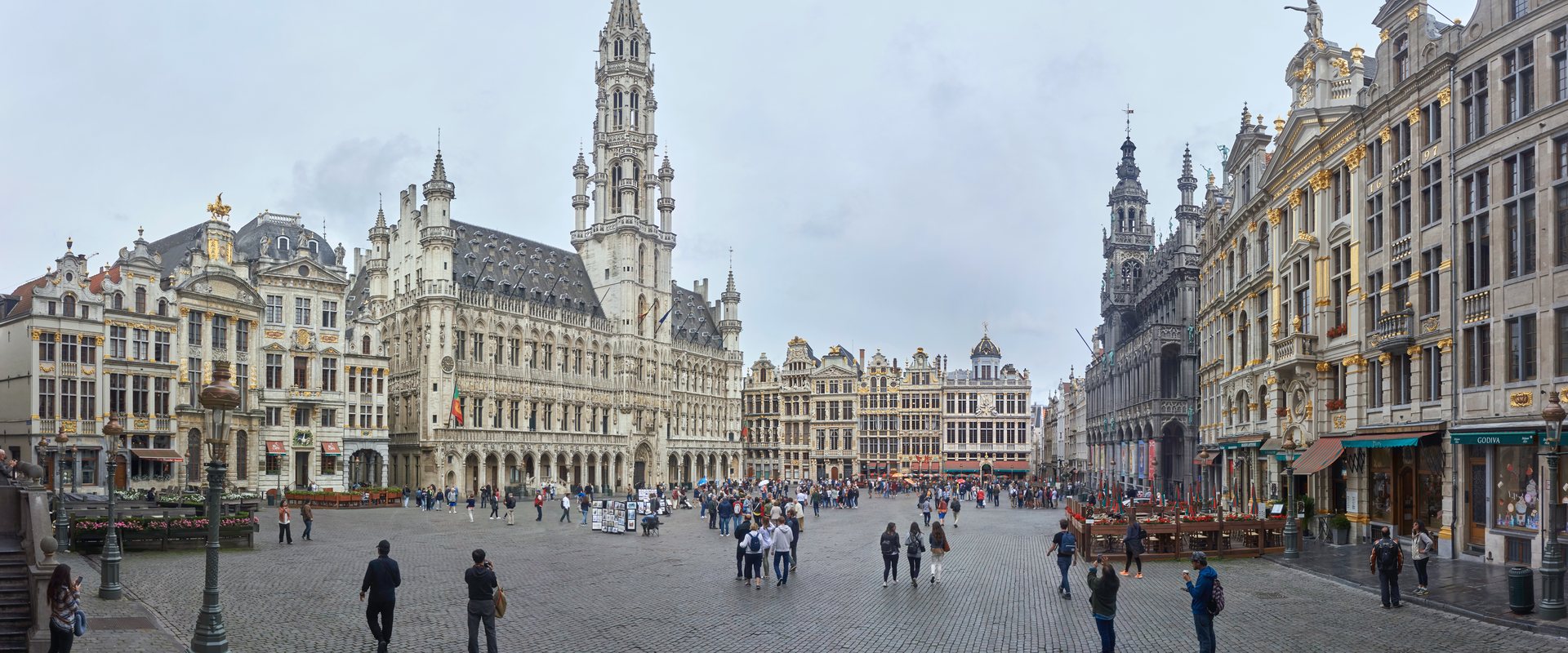
Belgium is a uniquely multilingual study destination at the heart of Europe, hosting KU Leuven (#71 QS), one of the continent’s great research universities, and Ghent University (#126 QS). Belgium is the de facto capital of the EU (Brussels hosts the European Commission, Parliament, and NATO HQ), making it exceptional for careers in international relations, law, and policy. Tuition ranges from €890–4,000/year for EU students.
Why Study in Belgium? Key Facts for 2026
| Factor | Details |
|---|---|
| Tuition Fees | €890–4,000/year (EU) / €2,000–14,000/year (non-EU) |
| Living Costs | €1,000–1,400/month (Brussels: €1,300–1,800) |
| Student Visa | Type D Visa (non-EU) / EU: no visa needed |
| Language | Dutch (Flanders), French (Wallonia), German (eastern Belgium) + English at KU Leuven/Ghent |
| Academic Year | September/October start (some: February/March) |
Source: OECD Education at a Glance 2024, official government immigration websites, QS World University Rankings 2026. Last updated: February 2026.
What Are the Top Universities in Belgium?
| University | Best For | Global Ranking |
|---|---|---|
| KU Leuven | All subjects; particularly strong in Medicine, Sciences | #71 QS |
| Ghent University | Sciences, Engineering, Veterinary | #126 QS |
| Université Libre de Bruxelles (ULB) | Sciences, Law, Social Sciences | #183 QS |
| VUB – Vrije Universiteit Brussel | Sciences, Engineering, Business | #251 QS |
| University of Liège | Sciences, Medicine, Engineering | ~300 QS |
What Scholarships Are Available in Belgium?
| Scholarship | Details |
|---|---|
| VLIR-UOS Scholarships | Full funding for students from 31 developing countries |
| Belgian Federal Science Policy Scholarships | For students in exact sciences |
| Erasmus+ Scholarships | €500–700/month for EU mobile students |
| KU Leuven Scholarships | €2,000–10,000 for international master’s students |
How Do You Apply to Universities in Belgium?
- 1. Apply directly to Belgian universities (KU Leuven: apply October–February; Ghent: November–March)
- 2. EU citizens: no visa needed; register at municipal administration (gemeente) after arrival
- 3. Non-EU: obtain admission confirmation, then apply for Belgian Type D visa at Belgian embassy
- 4. Required: admission letter, financial proof (€615/month), health insurance, housing confirmation
- 5. Arrive and register at municipality within 8 working days
- 6. Apply for foreign nationals card (e-card/A-card) at municipal authority
- 7. Register for student health insurance (mutualité/ziekenfonds)
Frequently Asked Questions
What makes Belgium unique as a study destination?
Belgium’s uniqueness: 1) Heart of European institutions (EU Commission, European Parliament, NATO, 40,000+ Eurocrats in Brussels), 2) Three language communities (Dutch, French, German) making graduates multilingual, 3) KU Leuven – one of Europe’s most comprehensive research universities, 4) Central location for European travel, 5) Exceptional food culture (chocolate, waffles, beer).
Is studying in Belgium affordable?
For EU students: yes. Tuition at public universities ranges from €890–4,000/year; non-EU students pay €2,000–14,000/year. Living costs average €1,000–1,400/month (Brussels slightly more expensive). Beer at Belgian student bars costs €2–4. Belgium is moderately priced by European standards – cheaper than the Netherlands or Scandinavia, comparable to France.
What is KU Leuven and why is it famous?
KU Leuven (Katholieke Universiteit Leuven) is Belgium’s largest and most prestigious university, founded in 1425. It consistently ranks in Europe’s top 10 for research output, with particular strength in medicine, life sciences, and theology. Famous alumni include Gerardus Mercator (cartographer), Andreas Vesalius (anatomy), and many European politicians and scientists.
What are the language requirements to study in Belgium?
Depends on region: Flemish (Dutch-speaking) universities like KU Leuven and Ghent University offer Dutch-taught bachelor’s programs requiring Dutch proficiency, and many English-taught master’s programs. French-speaking universities (UCL, ULB, ULiège) teach in French. Brussels universities (ULB, VUB) offer both French and Dutch, with many English programs.
What career opportunities exist in Belgium, especially Brussels?
Brussels is the EU capital, hosting EU institutions, NATO, and headquarters of 1,000+ international organizations and NGOs. Careers in EU policy, law, diplomacy, lobbying, and consulting are unique to Brussels. Belgium’s pharmaceutical sector (UCB, Solvay), chocolate and food industry, and financial services also offer strong graduate employment.
What is Belgian student life like?
Belgian students are known for their convivial club (studentenvereniging/cercle) culture. Leuven’s student city atmosphere is legendary in Europe, with canal-side bars, café culture, and festivals. Ghent has a vibrant student scene. Brussels blends student life with cosmopolitan international culture. Belgian food, beer, and cycling culture make daily life genuinely enjoyable.
Information on this page is compiled from official government immigration sources, OECD data, and university websites. Last verified: February 2026.