
Study in Germany 2026 – Complete Guide for International Students
Everything you need to know about studying in Germany in 2026: tuition fees (free!), top universities, visa requirements, scholarships, and living costs.
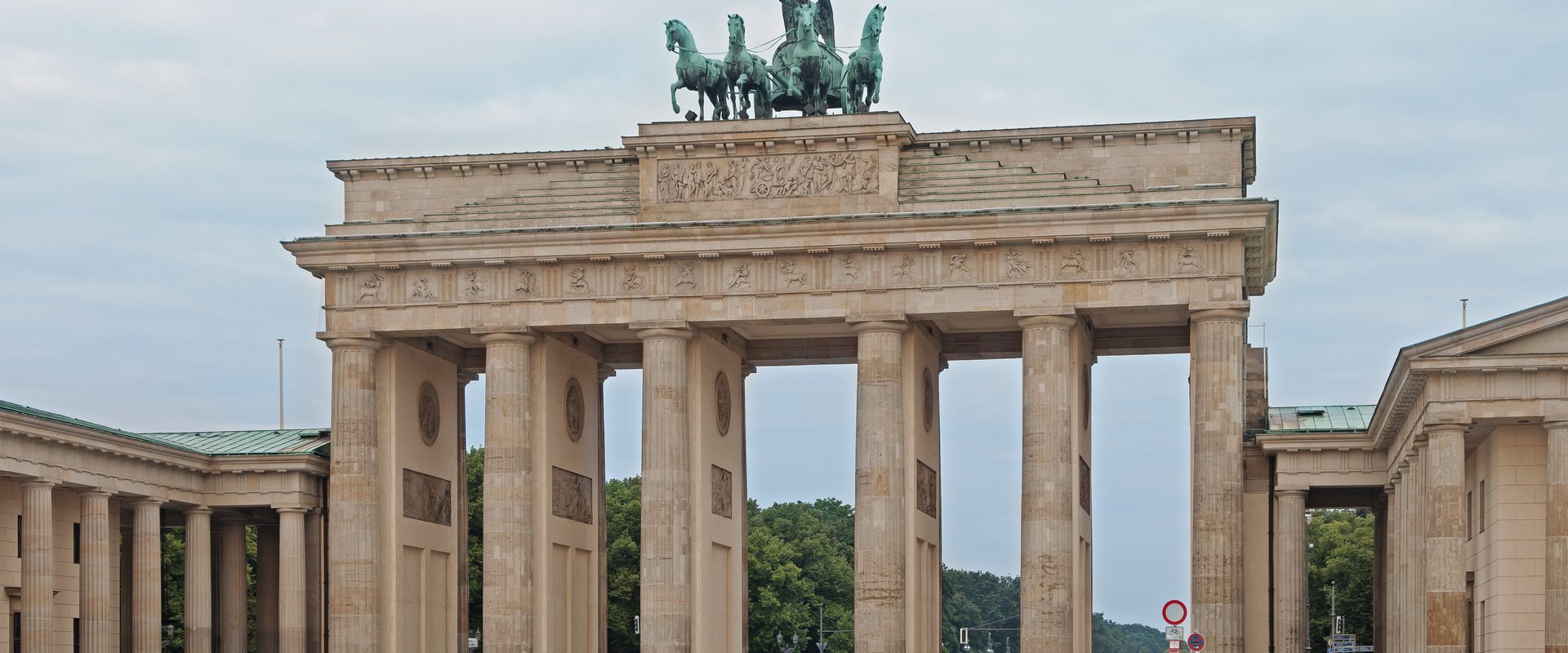
Studying in Germany in 2026 is free at public universities – even for non-EU international students. Germany charges only €150–500/semester in administrative fees (Semesterbeitrag). With TU Munich (#37 QS), LMU Munich (#63), and Heidelberg (#87) among the world’s best, Germany combines academic excellence with zero tuition. Over 400,000 international students study in Germany annually.
Why Study in Germany? Key Facts for 2026
| Factor | Details |
|---|---|
| Tuition Fees | €0 (public) / €3,000–20,000/year (private) |
| Living Costs | €850–1,100/month |
| Student Visa | German National Visa (Type D) |
| Language | German B2 (+ 1,500+ English-taught programs) |
| Academic Year | September/October start (some: February/March) |
Source: OECD Education at a Glance 2024, official government immigration websites, QS World University Rankings 2026. Last updated: February 2026.
What Are the Top Universities in Germany?
| University | Best For | Global Ranking |
|---|---|---|
| TU Munich | Engineering, Sciences, Business | #37 QS |
| LMU Munich | Medicine, Sciences, Humanities | #63 QS |
| Heidelberg University | Medicine, Sciences, Law | #87 QS |
| Humboldt University Berlin | Humanities, Social Sciences | #120 QS |
| RWTH Aachen | Engineering, Sciences | #106 QS |
What Scholarships Are Available in Germany?
| Scholarship | Details |
|---|---|
| DAAD Scholarship | Full or partial funding; all levels; competitive |
| Deutschland Stipendium | €300/month co-funded by federal government and companies |
| Heinrich Böll Foundation | For politically engaged students; all fields |
| Konrad Adenauer Foundation | For talented, politically engaged students |
How Do You Apply to Universities in Germany?
- 1. Choose a university and program (check language requirements)
- 2. Obtain or verify your academic qualifications (Anabin database for recognition)
- 3. Apply via uni-assist or directly to the university (deadline: July 15 for winter semester)
- 4. Receive admission letter (Zulassungsbescheid)
- 5. Open a blocked bank account (Sperrkonto) – approx. €11,208 required for visa
- 6. Apply for German student visa at German embassy/consulate
- 7. Register at the Einwohnermeldeamt (residents’ registration office) upon arrival
Frequently Asked Questions
Is studying in Germany really free?
Yes. Public universities in Germany charge only Semesterbeitrag (semester fees) of €150–500, not tuition. This applies to both EU and non-EU international students for bachelor’s and most master’s programs. Only a small number of consecutive master’s programs at certain state universities charge tuition (€1,500–3,500/year).
What are the language requirements to study in Germany?
Most bachelor’s programs require German at B2 or C1 level (TestDaF, DSH, or Goethe-Zertifikat). However, Germany has over 1,500 English-taught master’s programs. Programs at international graduate schools (e.g., TU Munich International School of Management, HHL Leipzig) are fully English-medium.
How do I get a student visa for Germany?
Non-EU students need a German National Visa (Type D) for study. Required documents: university admission letter, proof of financial means (blocked account with €11,208), health insurance, language certificate, and biometric photos. Apply at least 3–4 months before your course starts. Processing takes 4–12 weeks.
What is the blocked account (Sperrkonto) requirement?
Germany requires non-EU student visa applicants to prove financial self-sufficiency via a Sperrkonto (blocked account) containing €11,208 (as of 2024), equivalent to €934/month for 12 months. Providers include Deutsche Bank, Coracle, Expatrio, and Fintiba. The account releases €934/month after you arrive in Germany.
Can I work while studying in Germany?
Yes. International students can work up to 120 full days or 240 half days per year (approximately 20 hours/week during semester). Student jobs (Werkstudent, Minijob, Hiwi) pay €12–15/hour. Working income can significantly offset living costs of €850–1,100/month.
What happens after graduation in Germany?
Non-EU graduates can apply for an 18-month job seeker visa (Aufenthaltserlaubnis zur Arbeitssuche) to find employment in Germany. After finding a job, a work permit (Blue Card for highly qualified graduates earning €45,552+/year, or standard work permit) allows indefinite stay. After 21 months with Blue Card, you can apply for permanent residency.
Information on this page is compiled from official government immigration sources, OECD data, and university websites. Last verified: February 2026.