
Best Universities for Physics in Japan 2026
Japan boasts some of the world’s foremost physics research institutions and a tradition of Nobel Prize-winning scientific discovery.
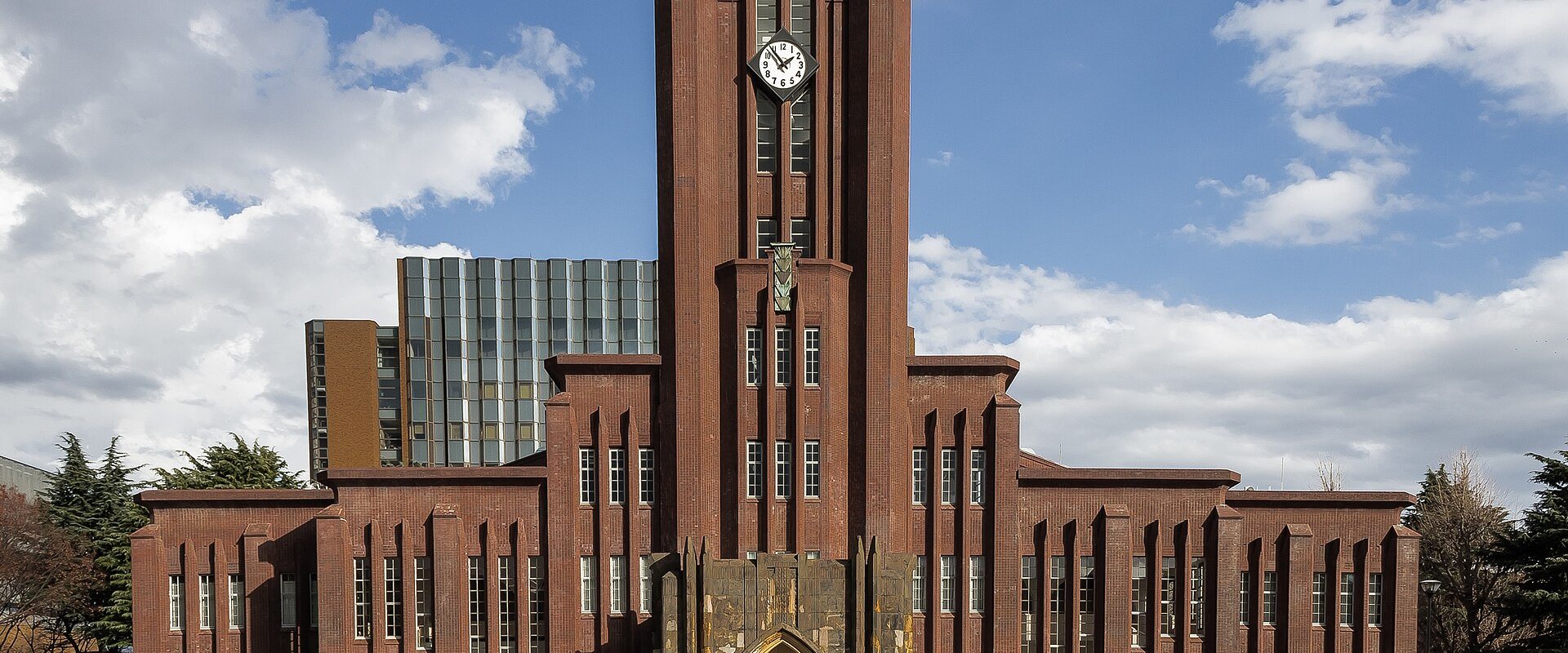
Whether you are pursuing an undergraduate degree, a specialised Master’s program, or a research PhD, Japan has options to match your goals and budget. This guide covers the top-ranked universities for Physics in Japan, admission requirements, tuition fees, career prospects, and everything you need to know before applying.
Quick Facts: Physics in Japan
| Subject | Physics |
| Country | Japan |
| Program Duration | 3–4 years (Bachelor’s), 1–2 years (Master’s), 3–5 years (PhD) |
| Tuition (International) | ¥535,800/year (~$3,600) at national universities |
| Language of Instruction | Japanese & English |
| Leading University | University of Tokyo |
Top Universities for Physics in Japan 2026
The following universities in Japan are consistently recognised for excellence in Physics, attracting students from around the globe:
| # | University | City | Type | World Rank |
|---|---|---|---|---|
| 1 | University of Tokyo | Tokyo | Public (National) | #28 |
| 2 | Kyoto University | Kyoto | Public (National) | #46 |
| 3 | Osaka University | Osaka | Public (National) | #80 |
| 4 | Tokyo Institute of Technology | Tokyo | Public (National) | #91 |
| 5 | Tohoku University | Sendai | Public (National) | #113 |
Why Study Physics in Japan?
- MEXT Scholarship offers fully-funded study opportunities for international students
- World leader in technology, robotics, materials science, and precision engineering
- Highly affordable tuition: national university fees start at just ~$3,600/year
- Safe, organised, and student-friendly environment with a rich cultural experience
- Gateway to Japan’s innovative tech industry and global corporations (Sony, Toyota, Fujitsu)
Admission Requirements for Physics Programs in Japan
Entry requirements vary by institution, but most universities in Japan expect the following for Physics applicants:
- A-Level Physics and Mathematics (or equivalent)
- IELTS 6.5+ or TOEFL 90+
- Strong calculus and classical mechanics background
- GRE Physics Subject Test (top US programs)
- Research statement and publications (for PhD)
Tuition Fees and Cost of Living in Japan
| Public University Tuition | ¥535,800/year (~$3,600) at national universities |
| Private University Tuition | ¥800,000 – 1,500,000/year ($5,300 – $10,000) |
| Average Living Costs | ¥80,000 – 150,000/month ($530 – $1,000)/month |
| Language of Study | Japanese & English |
Many universities in Japan offer scholarships and financial aid specifically for international Physics students. Check each university’s financial aid pages and your home country’s government funding schemes before applying.
Career Prospects After Physics in Japan
Graduates with a Physics degree from a Japan university are in high demand both locally and internationally. Common career paths include:
- Research Physicist
- Quantum Computing Engineer
- Astrophysicist
- Financial Quant
- Data Scientist
Frequently Asked Questions
What are the best universities for Physics in Japan?
The leading universities for Physics in Japan include University of Tokyo, Kyoto University, and Osaka University. These institutions offer internationally accredited programs with strong research output and industry connections.
How much does it cost to study Physics in Japan?
Tuition for Physics programs in Japan ranges from ¥535,800/year (~$3,600) at national universities at public universities. Average living costs are approximately ¥80,000 – 150,000/month ($530 – $1,000). Scholarships are available for international students.
Can I study Physics in Japan in English?
Many universities in Japan offer Physics programs taught entirely in English, particularly at Master’s and PhD level. Proficiency is typically demonstrated via IELTS 6.5+ or TOEFL 90+.
What are the admission requirements for Physics in Japan?
Most Physics programs in Japan require: A-Level Physics and Mathematics (or equivalent), IELTS 6.5+ or TOEFL 90+, and Strong calculus and classical mechanics background. Specific requirements vary by university and level of study.
Related Resources
- Best Universities in Japan 2026 — complete country overview
- Best Universities for Physics Worldwide — global subject rankings
- Study in Japan — Complete Guide for International Students
- International Scholarships 2026 — funding your studies abroad
- Best Student Cities in the World 2026