
Best Universities in India 2026
India is home to one of the world’s largest and most dynamic higher education systems, with over 1,100 universities and 43,000 colleges serving more than 40 million students.
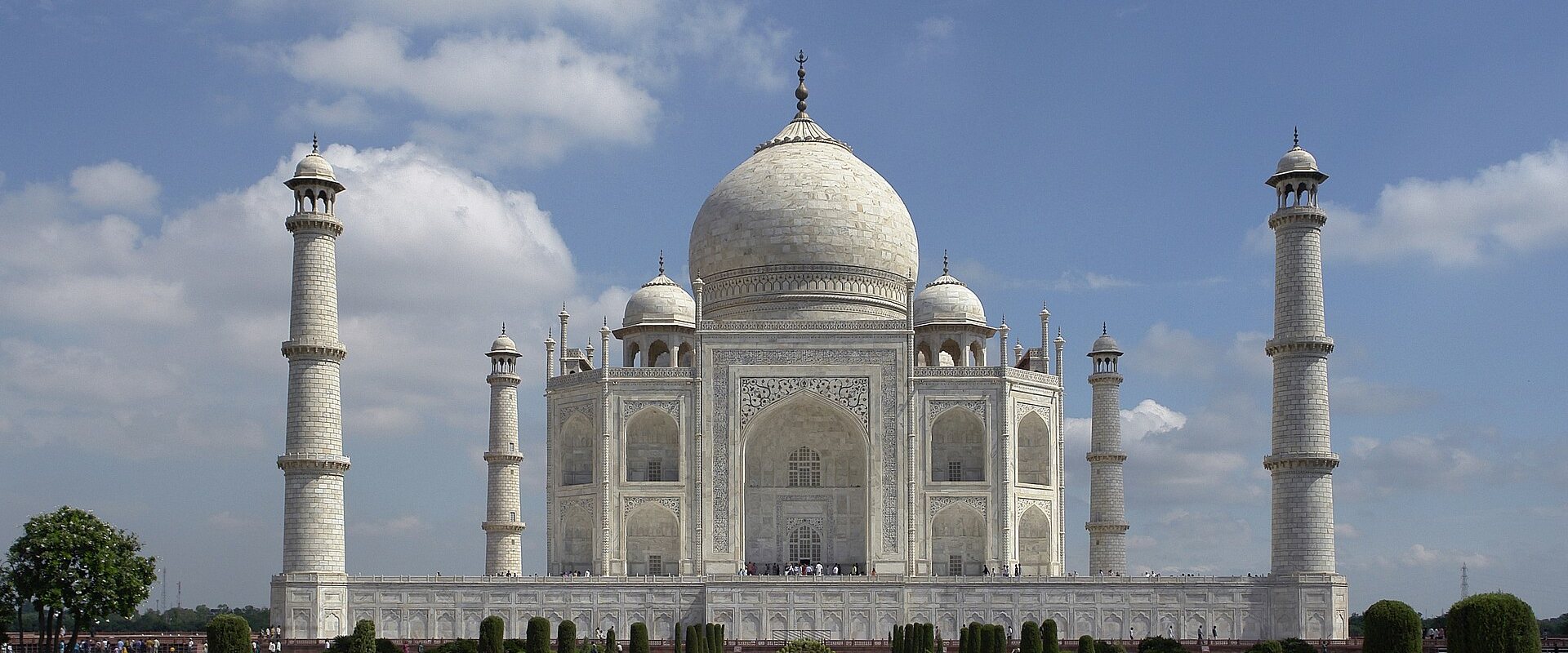
The best universities in India in 2026 are Indian Institute of Technology Bombay, Indian Institute of Technology Delhi, and Indian Institute of Science. India has 1,100+ higher education institutions. Tuition fees at public universities average &rupee;50,000 – 300,000/year ($600 – $3,600). The average cost of living for students is approximately &rupee;15,000 – 30,000/month ($180 – $360).
India at a Glance
| Total Universities | 1,100+ universities; 43,000+ colleges (incl. 23 IITs, 20 IIMs, 31 NITs) |
| International Students | ~75,000 (growing rapidly; government target of 200,000 by 2030) |
| Tuition (Public/IITs) | INR 100,000–400,000/year (~USD 1,200–4,800) |
| Tuition (Top Private) | INR 300,000–1,500,000/year (~USD 3,600–18,000) |
| Living Costs | INR 15,000–30,000/month (~USD 180–360) |
| Language of Instruction | English (at most universities and all IITs/IIMs/NITs) |
| Academic Year | July/August – May/June (2 semesters) |
| Top Student Cities | Delhi, Mumbai, Bangalore, Chennai, Hyderabad |
| Student Visa | Student Visa (S visa) via Indian Mission; valid for course duration |
| Post-Study Work | Limited; internship visa available; many graduates return home or proceed to further study |
Source: Compiled from QS World University Rankings, Times Higher Education, and ARWU 2026 data.
What Are the Top Universities in India for 2026?
| Rank (IN) | University | City / State | World Rank (QS 2026) | Founded | Students | Type | Tuition Intl./Year |
|---|---|---|---|---|---|---|---|
| 1 | Indian Institute of Technology Bombay (IIT-B) | Mumbai, Maharashtra | #118 | 1958 | 12,000+ | Public (IIT) | INR 200,000–400,000 |
| 2 | Indian Institute of Technology Delhi (IIT-D) | New Delhi | #150 | 1961 | 9,000+ | Public (IIT) | INR 200,000–400,000 |
| 3 | Indian Institute of Science (IISc) | Bangalore, Karnataka | #162 | 1909 | 4,500+ | Public (Research Institute) | INR 35,000–100,000 |
| 4 | Indian Institute of Technology Madras (IIT-M) | Chennai, Tamil Nadu | #180 | 1959 | 10,000+ | Public (IIT) | INR 200,000–400,000 |
| 5 | Indian Institute of Technology Kanpur (IIT-K) | Kanpur, Uttar Pradesh | #252 | 1959 | 7,500+ | Public (IIT) | INR 200,000–400,000 |
| 6 | Indian Institute of Technology Kharagpur (IIT-KGP) | Kharagpur, West Bengal | #271 | 1951 | 12,000+ | Public (IIT) | INR 200,000–400,000 |
| 7 | Indian Institute of Technology Roorkee (IIT-R) | Roorkee, Uttarakhand | #340 | 1847 | 9,000+ | Public (IIT) | INR 200,000–400,000 |
| 8 | University of Delhi | New Delhi | #350 | 1922 | 132,000+ | Public (Central) | INR 50,000–200,000 |
| 9 | Indian Institute of Technology Guwahati (IIT-G) | Guwahati, Assam | #383 | 1994 | 7,000+ | Public (IIT) | INR 200,000–400,000 |
| 10 | Indian Institute of Technology Hyderabad (IIT-H) | Hyderabad, Telangana | #420 | 2008 | 3,500+ | Public (IIT) | INR 200,000–400,000 |
| 11 | BITS Pilani | Pilani / Goa / Hyderabad | #441–450 | 1964 | 15,000+ | Private (Deemed) | INR 400,000–600,000 |
| 12 | Jadavpur University | Kolkata, West Bengal | #460 | 1955 | 11,000+ | Public (State) | INR 20,000–80,000 |
| 13 | Indian Institute of Technology Indore (IIT-I) | Indore, Madhya Pradesh | #480 | 2009 | 2,500+ | Public (IIT) | INR 200,000–400,000 |
| 14 | Anna University | Chennai, Tamil Nadu | #500–550 | 1978 | 31,000+ | Public (State) | INR 50,000–150,000 |
| 15 | Jawaharlal Nehru University (JNU) | New Delhi | #530 | 1969 | 8,000+ | Public (Central) | INR 20,000–60,000 |
| 16 | Indian Institute of Technology BHU Varanasi | Varanasi, Uttar Pradesh | #550 | 1919 | 6,000+ | Public (IIT) | INR 200,000–400,000 |
| 17 | Manipal Academy of Higher Education | Manipal, Karnataka | #560 | 1953 | 28,000+ | Private (Deemed) | INR 300,000–1,200,000 |
| 18 | Amity University | Noida, Uttar Pradesh | #580 | 2005 | 125,000+ | Private | INR 200,000–600,000 |
| 19 | University of Hyderabad | Hyderabad, Telangana | #600–650 | 1974 | 5,000+ | Public (Central) | INR 20,000–80,000 |
| 20 | Banaras Hindu University (BHU) | Varanasi, Uttar Pradesh | #650–700 | 1916 | 30,000+ | Public (Central) | INR 20,000–100,000 |
Rankings based on the QS World University Rankings 2026. Tuition fees for international students at IITs follow ICCR/Study in India rates. Actual fees may vary; check individual institution websites. Indian higher education is regulated by UGC (University Grants Commission), AICTE (technical education), and NMC (medical education). NIRF (National Institutional Ranking Framework) is India’s domestic ranking system.
What Are the Best Universities in India for Medicine?
India has one of the world’s largest medical education systems. The National Medical Commission (NMC) regulates all medical colleges. The standard MBBS degree takes 5.5 years (including 1 year of internship). International students typically apply through the Study in India portal or directly to universities. NEET (National Eligibility cum Entrance Test) is required for admission to most medical programmes.
| Rank | University / College | City | Teaching Hospital | Specialties |
|---|---|---|---|---|
| 1 | All India Institute of Medical Sciences (AIIMS Delhi) | New Delhi | AIIMS Hospital (2,478 beds) | Cardiothoracic Surgery, Neurosurgery, Oncology, Ophthalmology, Trauma |
| 2 | Christian Medical College (CMC Vellore) | Vellore, Tamil Nadu | CMC Hospital (2,700+ beds) | Haematology, Nephrology, Gastroenterology, Community Health |
| 3 | Post Graduate Institute (PGIMER) | Chandigarh | PGIMER Hospital (2,000+ beds) | Hepatology, Nephrology, Cardiology, Neurology |
| 4 | Armed Forces Medical College (AFMC) | Pune, Maharashtra | Command Hospital (Southern Command) | Military Medicine, Surgery, Aviation Medicine |
| 5 | Kasturba Medical College (KMC Manipal) | Manipal, Karnataka | Kasturba Hospital (2,032 beds) | Anatomy, Pharmacology, Community Medicine, Research |
What Are the Best Universities in India for Engineering?
India’s IITs (Indian Institutes of Technology) are internationally regarded as among the most competitive engineering schools in the world. Admission through JEE Advanced sees acceptance rates below 2%. IIT graduates are recruited globally by companies like Google, Microsoft, Amazon, Goldman Sachs, and McKinsey.
| Rank | University | City | Top Fields | Industry Partners / Notable Alumni |
|---|---|---|---|---|
| 1 | IIT Bombay | Mumbai | Computer Science, Electrical, Aerospace, Chemical | Google, Microsoft, Samsung, Tata, Reliance |
| 2 | IIT Delhi | New Delhi | Computer Science, Mechanical, Textile, Biomedical | Intel, Qualcomm, Infosys, Flipkart |
| 3 | IIT Madras | Chennai | Mechanical, Civil, Ocean Engineering, Data Science | ISRO, DRDO, Ashok Leyland, TCS |
| 4 | IIT Kanpur | Kanpur | Aerospace, Materials Science, Computer Science | ISRO, HAL, IBM, Goldman Sachs |
| 5 | IIT Kharagpur | Kharagpur | Mining, Architecture, Electronics, Agricultural | Tata Steel, Coal India, ONGC, Wipro |
How Much Does It Cost to Study in India?
| Expense | Annual Cost (INR) | Annual Cost (USD approx.) | Notes |
|---|---|---|---|
| Tuition (IIT/Public) | INR 100,000–400,000 | ~USD 1,200–4,800 | IITs subsidised; central universities even cheaper; some under INR 50,000 |
| Tuition (Private) | INR 300,000–1,500,000 | ~USD 3,600–18,000 | Top private universities like BITS, Manipal, Ashoka, OP Jindal higher |
| Accommodation | INR 30,000–120,000 | ~USD 360–1,440 | Campus hostels INR 5,000–15,000/month; off-campus varies by city |
| Food | INR 36,000–72,000 | ~USD 430–860 | Campus mess INR 3,000–5,000/month; street food extremely affordable |
| Transport | INR 6,000–24,000 | ~USD 72–290 | Metro, bus, auto-rickshaw; monthly metro pass INR 1,000–2,000 in Delhi/Bangalore |
| Health Insurance | INR 5,000–15,000 | ~USD 60–180 | University health centre often included; private insurance recommended |
| Books & Supplies | INR 5,000–15,000 | ~USD 60–180 | Photocopied textbooks widely available; digital resources growing |
| Personal & Leisure | INR 24,000–60,000 | ~USD 290–720 | Phone (INR 500–1,000/month for data), clothing, entertainment, travel |
| TOTAL (Public Uni) | INR 206,000–706,000 | ~USD 2,500–8,500 | Among the cheapest countries in the world for quality education |
Cost of Living by City
| City | Avg. Rent/Month (INR) | Overall Cost/Month (INR) | Top Universities |
|---|---|---|---|
| Delhi / NCR | INR 8,000–20,000 | INR 20,000–35,000 | IIT Delhi, University of Delhi, JNU, Amity |
| Mumbai | INR 10,000–25,000 | INR 22,000–40,000 | IIT Bombay, University of Mumbai, TIFR |
| Bangalore | INR 8,000–18,000 | INR 18,000–32,000 | IISc, Indian Institute of Management (IIMB) |
| Chennai | INR 6,000–15,000 | INR 15,000–28,000 | IIT Madras, Anna University, CMC Vellore (nearby) |
| Hyderabad | INR 6,000–15,000 | INR 15,000–28,000 | IIT Hyderabad, University of Hyderabad, ISB |
| Kolkata | INR 5,000–12,000 | INR 12,000–22,000 | Jadavpur University, IIT Kharagpur (nearby), Presidency |
| Pune | INR 6,000–15,000 | INR 15,000–26,000 | Savitribai Phule Pune University, AFMC, Symbiosis |
How Do You Apply to Universities in India?
- Research programmes – Use the Study in India portal (government initiative), individual university websites, and the NIRF Rankings to shortlist institutions. The Study in India programme offers simplified admission for international students at select partner institutions.
- Understand entrance exams – India’s elite institutions require entrance exams: JEE Main/Advanced for IITs and NITs (engineering), NEET for medical colleges, CAT for IIMs (MBA), GATE for postgraduate engineering, and CUET for central universities. Some universities offer direct admission for international students without entrance exams through the Study in India portal.
- Check eligibility and documents – Typically required: academic transcripts, degree certificates, passport copy, photographs, letter of recommendation, statement of purpose. Documents may need to be apostilled or attested by the Indian embassy in your home country.
- Apply through the correct channel – Options include: (a) Study in India portal for streamlined international admission, (b) ICCR scholarships through Indian embassies, (c) Direct application to individual universities, (d) DASA (Direct Admission of Students Abroad) for NITs and IIITs using SAT scores.
- Apply for Student Visa (S visa) – After receiving your admission letter, apply for an Indian Student Visa at the Indian Mission (embassy/consulate) in your country. Required: valid passport, admission letter, proof of financial support, HIV test report (for stays >1 year), and visa fee. The visa is valid for the duration of your course.
- Register with FRRO – After arrival, register with the Foreigners Regional Registration Office (FRRO) within 14 days if staying longer than 180 days. This can be done online through the e-FRRO portal.
What Scholarships Are Available for International Students in India?
| Scholarship | Amount | Eligibility | Deadline |
|---|---|---|---|
| ICCR Scholarships (Indian Council for Cultural Relations) | Full tuition + INR 12,000–25,000/month stipend + accommodation | International students from partner countries; undergrad, postgrad, PhD; apply through Indian embassy | Varies by country (usually January–April) |
| Study in India Scholarships | 25%–100% tuition waiver | International students applying through the Study in India portal; merit-based | Rolling (check portal) |
| IIT Fee Waivers | Full or partial tuition waiver | International students admitted to IITs with demonstrated financial need or academic merit | Upon admission (apply through IIT) |
| Commonwealth Scholarships | Full funding (tuition, living, travel) | Students from Commonwealth countries for Master’s and PhD at Indian universities | Varies by country |
| University Merit Scholarships | INR 25,000–200,000/year | Varies by institution; typically top-performing students based on entrance exam or academic record | Varies by university |
Scholarship portal: Study in India – Scholarships | ICCR Scholarships
What Is Student Life Like in India?
- Campus culture: Indian universities – especially IITs and central universities – have vibrant residential campus cultures. Most students live in on-campus hostels, creating close-knit communities. Annual technical and cultural festivals like IIT Bombay’s Techfest and IIT Delhi’s Rendezvous attract thousands of participants.
- Food: India offers an extraordinary culinary experience at unbeatable prices. Campus canteens (mess) serve meals for INR 30–60 (~USD 0.35–0.70). Street food like dosa, biryani, chaat, and thali meals are available everywhere for INR 50–150. Vegetarian food is widely available, and India is one of the most vegetarian-friendly countries in the world.
- Work opportunities: International students on a Student Visa are not permitted to work off-campus in India. However, on-campus research assistantships, teaching assistantships, and internships during summer breaks are common at IITs and top universities. Many students gain industry experience through mandatory summer internships (IIT programmes include this).
- Transport: India has an extensive and very affordable transport network. Delhi Metro, Mumbai Local trains, Bangalore Metro, and city bus systems cost INR 10–50 per ride. Inter-city travel by train (Indian Railways) is remarkably cheap: INR 200–1,500 for journeys of several hundred kilometres. Ride-hailing apps (Ola, Uber) are widely available.
- Safety tips: India is generally safe for students, but international students should take common-sense precautions, especially in large cities. Stay on campus or in well-known areas, use registered transport, keep valuables secure, and stay informed about local customs. University international offices provide orientation and support.
- Travel & culture: India offers unparalleled cultural diversity – from the Taj Mahal and Rajasthan’s palaces to Kerala’s backwaters, the Himalayas, and Goa’s beaches. Festivals like Diwali, Holi, Durga Puja, and Eid are celebrated nationwide with incredible energy. Weekend trips and semester breaks are ideal for exploring India’s rich heritage.
Frequently Asked Questions
How much does it cost to study in India?
India is one of the most affordable countries in the world for higher education. Tuition at national universities and IITs ranges from INR 100,000–400,000/year (USD 1,200–4,800). Some central universities charge as little as INR 10,000–50,000/year. Private universities cost more (INR 300,000–1,500,000/year) but are still far cheaper than Western institutions. Living costs are extremely low: INR 15,000–30,000/month (USD 180–360) covers accommodation, food, transport, and personal expenses in most cities. A full year at a top IIT including living costs can be under USD 5,000–8,000 total – a fraction of what the same quality would cost in the US, UK, or Australia.
Are the IITs really that good?
Yes. The Indian Institutes of Technology (IITs) are among the most competitive and respected engineering institutions in the world. Admission through JEE Advanced has an acceptance rate below 2% (from ~1.2 million applicants), making them more selective than MIT or Stanford. IIT graduates dominate Silicon Valley – they have founded or led companies worth hundreds of billions of dollars (Google, Microsoft, IBM, Infosys, Sun Microsystems, and many more). While IITs may not always rank as high as Western universities in global rankings (partly due to ranking methodology favouring English-language publications and international diversity), the quality of students and the strength of the alumni network are exceptional.
Is India safe for international students?
India is generally safe for students, particularly on university campuses. IIT and major university campuses are self-contained residential communities with their own security, medical facilities, shops, and recreational areas. Cities like Bangalore, Pune, and Chennai are considered particularly safe. As with any country, international students should take sensible precautions: use registered transport (Ola/Uber rather than unmarked vehicles), avoid isolated areas late at night, keep valuables secure, and stay informed about local customs and laws. University international student offices provide orientation, emergency contacts, and ongoing support.
Do I need to speak Hindi?
No. English is the primary language of instruction at all IITs, IIMs, NITs, central universities, and most private universities. Academic materials, exams, and research are conducted in English. In daily life, English is widely spoken in urban areas, especially in cities like Bangalore, Mumbai, Delhi, Chennai, and Hyderabad. However, learning basic Hindi or the local regional language can greatly enhance your cultural experience and daily interactions, particularly outside major cities. India has 22 official languages, and the linguistic diversity is remarkable.
What entrance exams are required?
India’s elite institutions use entrance exams: JEE Main (for NITs and IIITs), JEE Advanced (for IITs – only after qualifying JEE Main), NEET (for medical colleges), CAT (for IIM MBA programmes), GATE (for postgraduate engineering), and CUET (for central university undergraduate admission). However, international students often have alternative pathways: the DASA (Direct Admission of Students Abroad) scheme allows admission to NITs and IIITs using SAT scores, and the Study in India portal offers simplified admission to 150+ partner institutions without Indian entrance exams. Some private universities and many postgraduate programmes also accept direct applications.
How is an Indian degree recognised internationally?
Degrees from India’s top institutions – particularly IITs, IISc, IIMs, AIIMS, and established central universities – are well-recognised globally. IIT graduates are directly recruited by major multinational companies and admitted to top graduate programmes worldwide. India is a signatory to the UNESCO Asia-Pacific Regional Convention on the Recognition of Qualifications. For regulated professions (medicine, engineering, law), additional local licensing or recognition may be required in the destination country. The Association of Indian Universities (AIU) provides equivalence certificates for Indian degrees.
Compare Nearby Countries
- Best Universities in Sri Lanka – Affordable education, beautiful island, growing academic quality
- Best Universities in Nepal – Low-cost education, Himalayan culture, growing university sector
- Best Universities in Bangladesh – Affordable, English-medium instruction, rapidly developing
- Best Universities in Pakistan – LUMS, NUST; affordable tuition, English-medium instruction
- Best Universities in Singapore – NUS & NTU in global top 15; Asia’s education hub
- Best Universities in Japan – World-class technology, MEXT scholarships, safest country
View All Universities in Asia →
Related Rankings
- Best Medical Schools Worldwide 2026
- Best Engineering Universities Worldwide 2026
- Best Computer Science Universities 2026
- Best Business Schools & MBA Programs 2026
- Cheapest Countries to Study Abroad 2026
- World University Rankings 2026
Best Universities by Subject in India
Looking for subject-specific rankings in India? Find the top universities for each field of study: