
Best Universities in Japan 2026
Japan is one of Asia’s most prestigious and fascinating study destinations, offering a unique blend of cutting-edge technology, centuries-old traditions, and world-class academic institutions.
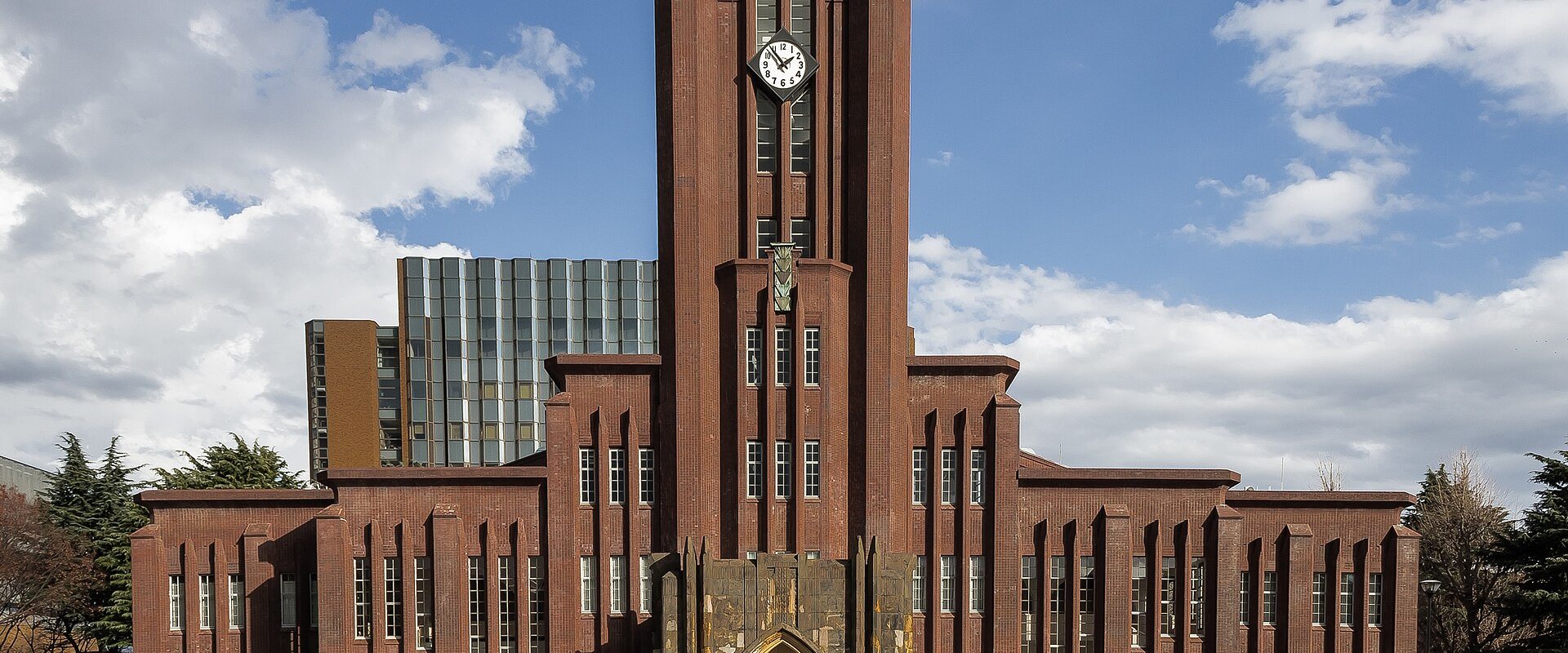
The best universities in Japan in 2026 are University of Tokyo, Kyoto University, and Tokyo Institute of Technology. Japan has 780+ higher education institutions. Tuition fees at public universities average ¥535,800/year (~$3,600). The average cost of living for students is approximately ¥80,000 – 150,000/month ($530 – $1,000).
Japan at a Glance
| Total Universities | ~800 universities (86 national, 100 public, 600+ private) |
| International Students | 280,000+ (2025) |
| Tuition (National Universities) | ¥535,800/year (~€3,300 / USD 3,600) |
| Tuition (Private Universities) | ¥800,000–¥1,500,000/year (~€5,000–€9,300) |
| Living Costs | ¥80,000–¥150,000/month (~€500–€930) |
| Language of Instruction | Japanese & English (800+ English-taught programmes via G30, SGU, etc.) |
| Academic Year | April – March (some programmes start in September/October) |
| Top Student City | Tokyo (QS Best Student Cities top 5) |
| Student Visa | Certificate of Eligibility (COE) + Student visa |
| Post-Study Work | Up to 1 year job-search visa; Designated Activities visa for graduates |
Source: Compiled from QS World University Rankings, Times Higher Education, and ARWU 2026 data.
What Are the Top Universities in Japan for 2026?
| Rank (JP) | University | City | World Rank (QS 2026) | Founded | Students | Type | Tuition Intl./Year |
|---|---|---|---|---|---|---|---|
| 1 | University of Tokyo (Todai) | Tokyo | #32 | 1877 | 28,000+ | National | ¥535,800 |
| 2 | Kyoto University | Kyoto | #50 | 1897 | 23,000+ | National | ¥535,800 |
| 3 | Tokyo Institute of Technology (Tokyo Tech) | Tokyo | #84 | 1881 | 10,000+ | National | ¥535,800 |
| 4 | Osaka University | Osaka | #86 | 1931 | 23,000+ | National | ¥535,800 |
| 5 | Tohoku University | Sendai | #100 | 1907 | 18,000+ | National | ¥535,800 |
| 6 | Nagoya University | Nagoya | #152 | 1939 | 16,000+ | National | ¥535,800 |
| 7 | Kyushu University | Fukuoka | #164 | 1911 | 19,000+ | National | ¥535,800 |
| 8 | Hokkaido University | Sapporo | #176 | 1876 | 18,000+ | National | ¥535,800 |
| 9 | Keio University | Tokyo | #188 | 1858 | 33,000+ | Private | ¥1,000,000–¥1,500,000 |
| 10 | Waseda University | Tokyo | #196 | 1882 | 42,000+ | Private | ¥1,000,000–¥1,700,000 |
| 11 | University of Tsukuba | Tsukuba | #355 | 1973 | 16,000+ | National | ¥535,800 |
| 12 | Hiroshima University | Hiroshima | #407 | 1949 | 15,000+ | National | ¥535,800 |
| 13 | Kobe University | Kobe | #413 | 1902 | 16,000+ | National | ¥535,800 |
| 14 | Tokyo Medical and Dental University (TMDU) | Tokyo | #429 | 1928 | 3,000+ | National | ¥535,800 |
| 15 | Chiba University | Chiba | #484 | 1949 | 14,000+ | National | ¥535,800 |
| 16 | Kanazawa University | Kanazawa | #530 | 1949 | 10,000+ | National | ¥535,800 |
| 17 | Yokohama National University | Yokohama | #591–600 | 1949 | 10,000+ | National | ¥535,800 |
| 18 | Ritsumeikan University | Kyoto | #601–650 | 1900 | 36,000+ | Private | ¥900,000–¥1,400,000 |
| 19 | Sophia University (Jochi) | Tokyo | #651–700 | 1913 | 13,000+ | Private | ¥1,000,000–¥1,500,000 |
| 20 | Okayama University | Okayama | #651–700 | 1949 | 13,000+ | National | ¥535,800 |
Rankings based on the QS World University Rankings 2026. All national universities charge the same standard tuition of ¥535,800/year (¥267,900 per semester) plus a one-time admission fee of ¥282,000. Private university tuition varies widely by institution and faculty. Many national universities offer tuition waivers (full or partial) for international students with strong academic records or financial need.
What Are the Best Universities in Japan for Medicine?
Medical education in Japan follows a 6-year undergraduate programme leading to an MD degree. After graduation, doctors must pass the National Medical Practitioners Examination. Japanese medical schools are renowned for their clinical training quality and research output, particularly in cancer research, regenerative medicine, and robotic surgery.
| Rank | University | City | Teaching Hospital | Specialties |
|---|---|---|---|---|
| 1 | University of Tokyo | Tokyo | University of Tokyo Hospital | Cancer Research, Neuroscience, Genomics, Internal Medicine |
| 2 | Kyoto University | Kyoto | Kyoto University Hospital | iPS Cell Research (Nobel Prize), Regenerative Medicine, Immunology |
| 3 | Osaka University | Osaka | Osaka University Hospital | Immunology, Transplant Surgery, Cardiovascular Medicine |
| 4 | Tokyo Medical and Dental University (TMDU) | Tokyo | TMDU Medical Hospital | Dental Medicine, Biomedical Science, Molecular Medicine |
| 5 | Keio University | Tokyo | Keio University Hospital | Sports Medicine, Oncology, Gastroenterology, Psychiatry |
What Are the Best Universities in Japan for Engineering?
Japan’s engineering education benefits from the country’s position as a global leader in manufacturing, robotics, electronics, and automotive technology. Students have direct access to partnerships with companies like Toyota, Sony, Panasonic, and Honda, and many programmes integrate hands-on laboratory research from the undergraduate level.
| Rank | University | City | Top Fields | Industry Partners |
|---|---|---|---|---|
| 1 | University of Tokyo | Tokyo | Mechanical, Electrical, Civil, Nuclear, Aerospace | Toyota, Mitsubishi, Hitachi, JAXA, Toshiba |
| 2 | Tokyo Institute of Technology | Tokyo | Materials Science, Computer Science, Chemical, Environmental | Sony, NEC, Canon, Panasonic, NTT |
| 3 | Kyoto University | Kyoto | Chemical, Civil, Energy Science, Informatics | Shimadzu, Kyocera, Nintendo, Murata Manufacturing |
| 4 | Osaka University | Osaka | Mechanical, Robotics, Applied Physics, Nanotechnology | Panasonic, Daikin, Keyence, Sharp |
| 5 | Tohoku University | Sendai | Materials Science, Disaster Science, Biomedical, Spintronics | AISIN, JEOL, Alps Alpine, Tohoku Electric Power |
How Much Does It Cost to Study in Japan?
| Expense | Annual Cost (JPY) | Annual Cost (EUR approx.) | Notes |
|---|---|---|---|
| Tuition (National Uni) | ¥535,800 | ~€3,300 | Uniform fee across all national universities; tuition waivers available |
| Tuition (Private Uni) | ¥800,000–¥1,700,000 | ~€5,000–€10,500 | Varies significantly by faculty; humanities lower, medicine/engineering higher |
| Accommodation | ¥360,000–¥840,000 | ~€2,200–€5,200 | ¥30,000–¥70,000/month; university dormitories are cheapest (¥10,000–¥50,000/month) |
| Food & Groceries | ¥300,000–¥540,000 | ~€1,850–€3,350 | ¥25,000–¥45,000/month; campus cafeterias very affordable (¥300–¥500/meal) |
| Transport | ¥60,000–¥180,000 | ~€370–€1,100 | Student commuter passes available at discounted rates; cycling popular in smaller cities |
| Health Insurance (NHI) | ¥18,000–¥24,000 | ~€110–€150 | National Health Insurance mandatory; students pay reduced premium; covers 70% of medical costs |
| Books & Supplies | ¥30,000–¥60,000 | ~€185–€370 | Many materials available digitally; used textbooks at campus shops |
| Personal & Leisure | ¥180,000–¥360,000 | ~€1,100–€2,200 | Phone (¥3,000–¥5,000/month with MVNO), entertainment, travel within Japan |
| TOTAL (National Uni) | ¥1,480,000–¥2,540,000 | ~€9,200–€15,700 | Remarkably affordable compared to Western countries |
Cost of Living by City
| City | Avg. Rent/Month (JPY) | Overall Cost/Month (JPY) | Top Universities |
|---|---|---|---|
| Tokyo | ¥55,000–¥80,000 | ¥130,000–¥180,000 | University of Tokyo, Tokyo Tech, Keio, Waseda, Sophia |
| Kyoto | ¥35,000–¥55,000 | ¥90,000–¥130,000 | Kyoto University, Ritsumeikan University |
| Osaka | ¥40,000–¥60,000 | ¥100,000–¥140,000 | Osaka University |
| Nagoya | ¥35,000–¥50,000 | ¥85,000–¥120,000 | Nagoya University |
| Sendai | ¥30,000–¥45,000 | ¥80,000–¥110,000 | Tohoku University |
| Fukuoka | ¥30,000–¥45,000 | ¥80,000–¥110,000 | Kyushu University |
| Sapporo | ¥28,000–¥42,000 | ¥75,000–¥105,000 | Hokkaido University |
How Do You Apply to Universities in Japan?
- Research programmes – Use JASSO (Japan Student Services Organization), Study in Japan, and university websites. For English-taught programmes, check the Global 30 (G30) and Top Global University Project (SGU) programmes.
- Choose your pathway – International students can apply through: (a) Direct application to universities, (b) MEXT scholarship (government-sponsored), (c) University recommendation MEXT, or (d) Private scholarship programmes.
- Meet language requirements – For Japanese-taught programmes: JLPT N2 or N1, and/or EJU (Examination for Japanese University Admission). For English-taught programmes: IELTS 6.0–6.5 or TOEFL iBT 80–90+. Many English-taught programmes do not require any Japanese proficiency.
- Prepare application documents – Typically includes: academic transcripts, diploma/degree certificates, letters of recommendation, research plan (for graduate applicants), personal statement, and language test scores.
- Apply for Certificate of Eligibility (COE) – After receiving your acceptance letter, the university applies to Japanese Immigration for a COE on your behalf. Processing takes 1–3 months.
- Obtain student visa – Take your COE to the Japanese embassy or consulate in your home country to obtain a student visa. This typically takes 1–2 weeks.
- Find accommodation – University dormitories are cheapest (¥10,000–¥50,000/month) but limited. Private apartments can be found through university housing offices, GTN, or real estate agents. Note: Japan requires a guarantor (hoshounin) for private rentals; many universities provide a guarantor service.
What Scholarships Are Available for International Students in Japan?
| Scholarship | Amount | Eligibility | Deadline |
|---|---|---|---|
| MEXT Scholarship (Embassy Recommendation) | Full tuition + ¥143,000–¥145,000/month stipend + travel | International students from countries with diplomatic relations with Japan; undergrad, research, teacher training, and Japanese studies tracks | Usually April–June (at Japanese embassy in home country) |
| MEXT Scholarship (University Recommendation) | Full tuition + ¥143,000–¥145,000/month stipend | Graduate-level students nominated by Japanese universities; apply through the university | Varies by university (usually October–December) |
| JASSO Honors Scholarship | ¥48,000/month | Privately financed international students with excellent academic records enrolled at Japanese universities | Application through university (April–May) |
| University Tuition Waivers | 30%–100% tuition reduction | International students at national and private universities based on academic merit and/or financial need | Each semester (apply through university) |
| JICA Development Studies | Full scholarship including living costs | Government officers and professionals from developing countries for Master’s/PhD programmes | Varies by country |
| Private Foundation Scholarships | ¥50,000–¥180,000/month | Various eligibility; examples: Rotary Yoneyama, AEON Foundation, Otsuka Toshimi, Nitori Foundation | Varies (usually spring) |
Scholarship search: JASSO Scholarship Database | Study in Japan – Scholarships
What Is Student Life Like in Japan?
- Work while studying: International students can work up to 28 hours per week during term time and up to 40 hours per week during long vacations (with a “Permission to Engage in Activities other than that Permitted by the Status of Residence Previously Granted” – obtainable at the airport upon arrival). Common part-time jobs (arubaito) include convenience stores, restaurants, tutoring, and translation. Minimum wage varies by prefecture: ¥1,000–¥1,200/hour in major cities.
- Safety: Japan is one of the safest countries in the world, with extremely low crime rates. Students routinely walk alone at night, leave belongings unattended in cafés, and use public transport at all hours without concern. This makes Japan an exceptionally comfortable study destination.
- Public transport: Japan’s train and metro systems are legendary for their punctuality, cleanliness, and coverage. Students receive commuter pass discounts (tsuugaku teiki) of up to 50–60% off regular fares. The Shinkansen (bullet train) connects major cities at speeds up to 320 km/h.
- Club activities (bukatsu & circles): Japanese university culture revolves around clubs and circles – from sports, martial arts, and music to cultural, academic, and volunteer activities. Joining a club is the primary way to make friends and experience authentic Japanese campus culture.
- Cultural immersion: From tea ceremony and calligraphy to anime, festivals (matsuri), and onsen (hot springs), Japan offers cultural experiences found nowhere else. Students enjoy seasonal beauty – cherry blossoms (hanami) in spring, vibrant autumn foliage (kouyou), and snow festivals in winter.
- Convenience: Japan’s konbini (convenience stores: 7-Eleven, FamilyMart, Lawson) are available 24/7 on nearly every corner, offering affordable meals, ATMs, bill payment, and printing services. Vending machines provide drinks everywhere. Daily life in Japan is remarkably smooth and efficient.
Frequently Asked Questions
How much does it cost to study in Japan?
Japan offers surprisingly affordable education, especially at national universities. National university tuition is a flat ¥535,800/year (approximately €3,300 or USD 3,600) – the same across all 86 national universities regardless of the programme. Private universities charge ¥800,000–¥1,700,000/year depending on the faculty. Including living costs of ¥80,000–¥150,000/month, an international student at a national university should budget approximately ¥1,500,000–¥2,500,000/year (€9,200–€15,500) in total. Many national universities offer tuition waivers (30–100%) for international students, making it even more affordable. With the MEXT scholarship, you can study in Japan completely free with a generous living stipend.
Do I need to speak Japanese to study in Japan?
Not necessarily. Japan offers over 800 English-taught degree programmes through the G30 (Global 30) project, Super Global University (SGU) initiative, and individual university offerings. Major universities like Waseda, Keio, University of Tokyo, Kyoto University, and Tohoku University all have English-taught programmes at undergraduate and graduate levels. However, for the widest range of programme choices (especially at the undergraduate level), Japanese proficiency is a major advantage. Daily life in Japan is easier with basic Japanese, as not everyone speaks English fluently outside major cities and university campuses. Most universities offer free Japanese language courses for international students.
What is the MEXT Scholarship?
The MEXT (Ministry of Education, Culture, Sports, Science and Technology) Scholarship is the Japanese government’s flagship scholarship for international students and one of the most generous government scholarships in the world. It covers: full tuition fees, a monthly stipend of ¥143,000–¥145,000 (~€880–€900), round-trip airfare, and no application fee. There are several tracks: undergraduate (5 years including 1 year of Japanese language training), research student (1.5–2 years, extendable to Master’s/PhD), teacher training (1.5 years), and Japanese studies (1 year). You can apply through the Japanese embassy in your home country (Embassy Recommendation) or through a Japanese university (University Recommendation).
Is Japan safe for international students?
Japan is one of the safest countries in the world for students. The Global Peace Index consistently ranks Japan among the top 10 safest nations. Violent crime is extremely rare, and petty crime rates are among the lowest globally. Students can walk safely at night, leave laptops in cafes, and ride public transport at any hour without concern. Japan’s culture of respect, honesty, and social order means that lost wallets are routinely returned with all contents intact. Natural disasters (earthquakes, typhoons) are a consideration, but Japan has the world’s most advanced disaster preparedness systems, early warning technology, and earthquake-resistant buildings.
Can I work in Japan after graduation?
Yes. Japan actively encourages international graduates to stay and work. After completing your degree, you can switch to a “Designated Activities” visa for job hunting, which gives you up to 1 year to find employment (extendable in some cases). Once you secure a job relevant to your field of study, you can switch to a work visa (Engineer/Specialist in Humanities/International Services, etc.). Japan’s government has set a target of retaining 50% of international graduates in the workforce, and immigration policies have become increasingly favourable. Starting salary for university graduates is typically ¥220,000–¥280,000/month (~€1,360–€1,730), with higher salaries in engineering, IT, and finance.
When does the academic year start in Japan?
The traditional Japanese academic year starts in April and ends in March, divided into two semesters (April–September and October–March). However, a growing number of English-taught programmes offer September/October intake to accommodate international students accustomed to the Western academic calendar. The G30 and SGU English-taught programmes primarily follow the October start. Check your specific programme for intake dates. National holidays and university-specific breaks occur during Golden Week (late April–early May), summer (August–September), winter (late December–early January), and spring (February–March).
Compare Nearby Countries
- Best Universities in South Korea – KAIST, Seoul National, Yonsei; K-culture, affordable tuition, strong tech industry
- Best Universities in China – Tsinghua, Peking University; rapidly rising global rankings, generous CSC scholarships
- Best Universities in Singapore – NUS & NTU in global top 15; English-speaking, Asia’s business hub
- Best Universities in Taiwan – Affordable tuition, Mandarin learning, welcoming culture, NTU
- Best Universities in India – IITs, extremely affordable, massive talent pool, growing global recognition
- Best Universities in Australia – Group of Eight, English-speaking, generous post-study work visa
View All Universities in Asia →
Related Rankings
- Best Medical Schools Worldwide 2026
- Best Engineering Universities Worldwide 2026
- Best Computer Science Universities 2026
- Best Business Schools & MBA Programs 2026
- Cheapest Countries to Study Abroad 2026
- World University Rankings 2026
- Study in Japan – Complete Guide 2026
- Japan vs South Korea Universities Compared
Best Universities by Subject in Japan
Looking for subject-specific rankings in Japan? Find the top universities for each field of study: