
Best Universities in Spain 2026
Spain is the most popular Erasmus+ destination in Europe and one of the most attractive study destinations worldwide, combining excellent universities, an extraordinary cultural heritage, a warm Mediterranean climate, and a remark...
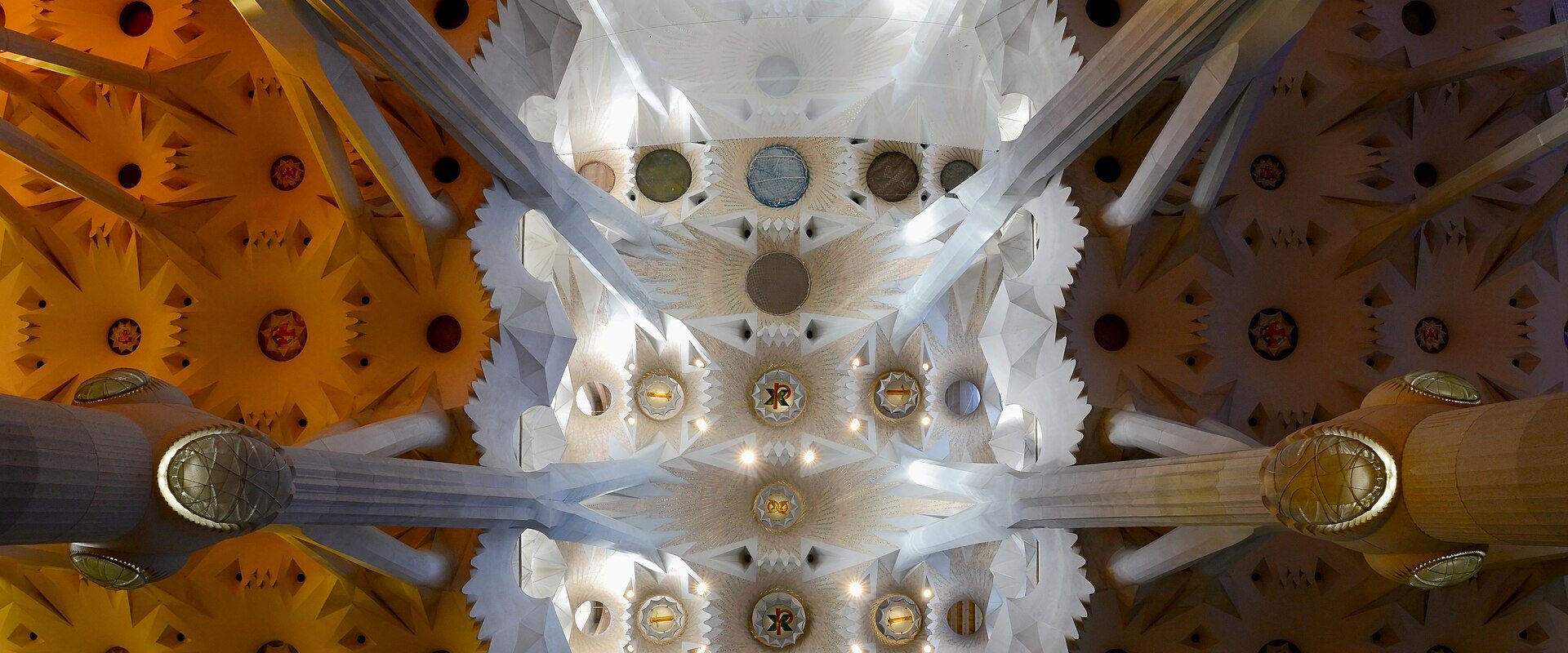
The best universities in Spain in 2026 are University of Barcelona, Autonomous University of Barcelona, and Autonomous University of Madrid. Spain has 85+ higher education institutions. Tuition fees at public universities average €700 – 2,500/year (EU); €1,500 – 6,000/year (non-EU). The average cost of living for students is approximately €700 – 1,200/month (Madrid/Barcelona: €900 – 1,500).
Spain at a Glance
| Total Universities | ~85 universities (50 public, 35 private) |
| International Students | 200,000+ (including Erasmus; fastest growing in Europe) |
| Tuition (Public – EU) | €700–€2,500/year (varies by autonomous community) |
| Tuition (Public – Non-EU) | €1,500–€6,000/year (some regions charge more for non-EU) |
| Private University Tuition | €5,000–€20,000/year (IE, ESADE, Navarra, etc.) |
| Living Costs | €700–€1,200/month (Madrid/Barcelona higher; Southern Spain very affordable) |
| Language of Instruction | Spanish, Catalan, Basque & English (growing number of English-taught programmes) |
| Academic Year | September – June (2 semesters) |
| Top Student City | Barcelona (QS Best Student Cities top 15) |
| Student Visa | Student Visa (Visado de Estudiante) for non-EU; NIE number required |
| Post-Study Work | 12-month job search permit after completion of studies |
Source: Compiled from QS World University Rankings, Times Higher Education, and ARWU 2026 data.
What Are the Top Universities in Spain for 2026?
| Rank (ES) | University | City | World Rank (QS 2026) | Founded | Students | Type | Tuition Intl./Year |
|---|---|---|---|---|---|---|---|
| 1 | Universitat de Barcelona (UB) | Barcelona | #149 | 1450 | 63,000+ | Public | €1,500–€3,500 |
| 2 | Universidad Autónoma de Madrid (UAM) | Madrid | #159 | 1968 | 36,000+ | Public | €1,500–€4,500 |
| 3 | Universitat Autònoma de Barcelona (UAB) | Barcelona | #164 | 1968 | 40,000+ | Public | €1,500–€3,500 |
| 4 | Universidad Complutense de Madrid (UCM) | Madrid | #199 | 1293 | 86,000+ | Public | €1,500–€4,500 |
| 5 | Universitat Pompeu Fabra (UPF) | Barcelona | #213 | 1990 | 16,000+ | Public | €1,500–€3,500 |
| 6 | Universidad Carlos III de Madrid (UC3M) | Madrid | #268 | 1989 | 22,000+ | Public | €2,000–€6,000 |
| 7 | Universitat Politècnica de Catalunya (UPC) | Barcelona | #274 | 1971 | 33,000+ | Public | €1,500–€3,500 |
| 8 | Universidad Politécnica de Madrid (UPM) | Madrid | #309 | 1971 | 40,000+ | Public | €1,500–€4,500 |
| 9 | IE University | Madrid / Segovia | #335 | 1973 | 7,500+ | Private | €12,000–€22,000 |
| 10 | Universidad de Navarra | Pamplona | #236 | 1952 | 14,000+ | Private (Opus Dei) | €8,000–€16,000 |
| 11 | Universidad de Granada (UGR) | Granada | #347 | 1531 | 55,000+ | Public | €800–€2,500 |
| 12 | Universidad de Sevilla | Seville | #404 | 1505 | 70,000+ | Public | €800–€2,500 |
| 13 | Universidad de Valencia (UV) | Valencia | #413 | 1499 | 55,000+ | Public | €1,000–€3,000 |
| 14 | ESADE Business & Law School | Barcelona | Top 10 (Business, Europe) | 1958 | 4,000+ | Private | €12,000–€25,000 |
| 15 | Universitat Politècnica de València (UPV) | Valencia | #370 | 1968 | 35,000+ | Public | €1,000–€3,000 |
| 16 | Universidad de Salamanca | Salamanca | #491–500 | 1218 | 31,000+ | Public | €800–€2,500 |
| 17 | Universidad de Zaragoza | Zaragoza | #451–500 | 1542 | 34,000+ | Public | €800–€2,500 |
| 18 | Universidad del País Vasco (UPV/EHU) | Bilbao / San Sebastián | #471 | 1980 | 45,000+ | Public | €800–€2,500 |
| 19 | Universidad de Alcalá | Alcalá de Henares | #501–550 | 1293 | 28,000+ | Public | €1,500–€4,000 |
| 20 | Universidad de Santiago de Compostela | Santiago de Compostela | #501–550 | 1495 | 25,000+ | Public | €700–€2,000 |
Rankings based on the QS World University Rankings 2026. Spanish public university tuition is regulated by each Autonomous Community (región). Catalonia, Madrid, and the Basque Country tend to charge higher fees. Non-EU students may pay 2–3x the EU rate at some institutions. ESADE and IE are business schools ranked separately. The University of Salamanca (founded 1218) is one of the oldest universities in the world.
What Are the Best Universities in Spain for Medicine?
Medical studies in Spain take 6 years (Grado en Medicina) followed by the MIR (Médico Interno Residente) national exam for specialisation. Spanish medical degrees are recognised throughout the EU. International students apply through UNED (university entrance exam for foreigners) or specific university admission processes. Most medical programmes are taught in Spanish.
| Rank | University | City | Teaching Hospital | Specialties |
|---|---|---|---|---|
| 1 | Universidad de Barcelona | Barcelona | Hospital Clínic, Hospital de Bellvitge | Oncology, Transplant Surgery, Neurology, Tropical Medicine |
| 2 | Universidad Autónoma de Madrid | Madrid | Hospital La Paz, Hospital Puerta de Hierro | Paediatrics, Cardiology, Internal Medicine, Research |
| 3 | Universidad Complutense de Madrid | Madrid | Hospital Clínico San Carlos, Hospital 12 de Octubre | Surgery, Immunology, Ophthalmology, Pharmacology |
| 4 | Universidad de Navarra | Pamplona | Clínica Universidad de Navarra (CUN) | Oncology, Cardiology, Gene Therapy, Clinical Trials |
| 5 | Universidad de Valencia | Valencia | Hospital Clínico Universitario, Hospital La Fe | Endocrinology, Neuroscience, Public Health, Genetics |
What Are the Best Universities in Spain for Engineering?
| Rank | University | City | Top Fields | Industry Partners |
|---|---|---|---|---|
| 1 | Universitat Politècnica de Catalunya (UPC) | Barcelona | Civil, Telecommunications, Computer Science, Architecture | Airbus, Indra, Telefónica, Seat, HP |
| 2 | Universidad Politécnica de Madrid (UPM) | Madrid | Aerospace, Civil, Mining, Agronomy, Naval | Airbus, INTA, Repsol, Acciona, Ferrovial |
| 3 | Universitat Politècnica de València (UPV) | Valencia | Industrial, Telecommunications, Informatics, Architecture | Ford Spain, Stadler Rail, Vectalia |
| 4 | Universidad Carlos III de Madrid | Madrid | Biomedical, Aerospace, Industrial, Energy | Airbus, Boeing, Siemens, Abengoa |
| 5 | Universidad de Navarra (Tecnun) | San Sebastián | Mechanical, Electronics, Materials, Industrial Organisation | CAF, Irizar, Mondragón Corporation |
How Much Does It Cost to Study in Spain?
| Expense | Annual Cost (EUR) | Notes |
|---|---|---|
| Tuition (Public, EU) | €700–€2,500 | Varies by region; Galicia & Andalusia cheapest; Madrid & Catalonia higher |
| Tuition (Public, Non-EU) | €1,500–€6,000 | Some regions charge double for non-EU; others same as EU |
| Accommodation | €3,000–€7,200 | €250–€600/month; shared flats (piso compartido) most common; cheaper outside Madrid/Barcelona |
| Food & Groceries | €1,800–€3,000 | €150–€250/month; university canteens €3–€6/meal; Mercadona, Lidl, Carrefour |
| Transport | €240–€480 | €20–€40/month; Abono Joven in Madrid €20/month (under 26); Barcelona T-Jove |
| Health Insurance | €0–€500 | EU citizens: EHIC; Non-EU: private insurance €30–€50/month or Spanish public coverage |
| Books & Materials | €200–€500 | University libraries excellent; photocopied materials common |
| Personal & Leisure | €1,200–€2,400 | €100–€200/month; Spain offers excellent nightlife, culture, and travel |
| TOTAL (Public Uni, EU) | €7,100–€16,000 | One of the most affordable Western European destinations |
Cost of Living by City
| City | Avg. Rent/Month | Overall Cost/Month | Top Universities |
|---|---|---|---|
| Madrid | €400–€700 | €900–€1,300 | UAM, UCM, UC3M, UPM, IE, Comillas |
| Barcelona | €450–€750 | €950–€1,400 | UB, UAB, UPF, UPC, ESADE |
| Valencia | €300–€500 | €700–€1,000 | UV, UPV |
| Seville | €280–€450 | €650–€950 | Universidad de Sevilla |
| Granada | €250–€400 | €600–€900 | Universidad de Granada |
| Bilbao | €350–€550 | €800–€1,100 | UPV/EHU, Deusto |
| Salamanca | €230–€380 | €550–€850 | Universidad de Salamanca |
How Do You Apply to Universities in Spain?
- Research programmes – Use Spanish Ministry of Education, Universia, and individual university websites. Spain offers a growing number of English-taught Master’s programmes, though most Bachelor’s are in Spanish.
- Credential recognition – Non-Spanish students need their qualifications recognised. EU students can use ENIC-NARIC. Non-EU students must apply for homologación (credential equivalence) or use the UNED (Universidad Nacional de Educación a Distancia) entrance exam for undergraduate admission.
- Language requirements – For Spanish-taught programmes: DELE B2 or equivalent. For English-taught programmes: IELTS 6.0–6.5 or TOEFL iBT 80–90+.
- Apply through the university portal – Most Spanish universities handle applications directly. Master’s applications typically open in February–March for September start. Bachelor’s applications are coordinated through regional systems.
- Apply for student visa – Non-EU students apply at the Spanish consulate. Required: admission letter, proof of financial means (€600+/month), health insurance, clean criminal record.
- Obtain NIE number – Upon arrival, apply for your NIE (Número de Identidad de Extranjero) at the police station. This is essential for banking, housing contracts, and official procedures.
Scholarships for Studying in Spain
| Scholarship | Amount | Eligibility | Deadline |
|---|---|---|---|
| Spanish Government Scholarships (AECID) | Full tuition + €1,200/month + travel | International students from partner countries for Master’s/PhD; managed by MAEC-AECID | Usually January–March |
| Erasmus+ Scholarships | €600–€1,200/month | EU/EEA and partner-country students for exchange semesters | Varies by programme |
| La Caixa Foundation Scholarships | Full tuition + living costs | International students for postgraduate studies at Spanish and international universities | Usually February |
| BBVA Foundation Grants | Varies (€5,000–€30,000) | Research and academic excellence grants in various fields | Varies |
| University Merit Scholarships | €1,000–€10,000/year | Varies by institution; academic excellence, specific nationalities, or financial need | Varies by university |
What Is Student Life Like in Spain?
- Work while studying: International students can work up to 20 hours per week during term time and full-time during breaks. A work permit (autorización de trabajo) is needed for non-EU students. After graduation, a 12-month job-search permit is available.
- Erasmus hub: Spain is the #1 Erasmus+ destination in Europe, receiving more exchange students than any other country. This means every university has a huge international community, organised events, language tandems, and social activities.
- Nightlife & social culture: Spain is famous for its vibrant social scene. Dinner typically starts at 9–10 PM, and nightlife runs until 5–6 AM. University cities like Salamanca, Granada, and Barcelona have legendary student nightlife at very affordable prices.
- Climate & lifestyle: With 300+ days of sunshine per year in many regions, Spain offers an outdoor lifestyle centred around beaches, terraces (terrazas), and al fresco dining. The Mediterranean diet is among the healthiest in the world.
- Language learning: Studying in Spain is the best way to learn Spanish – the world’s second most spoken native language with 500+ million speakers. This is a major career advantage in international business, diplomacy, and many industries.
- Travel: Spain’s excellent transport network (AVE high-speed trains, budget airlines) and central Mediterranean location make it easy to travel throughout Europe. Weekend trips to Portugal, France, Morocco, and the Balearic/Canary Islands are popular.
Frequently Asked Questions
How much does it cost to study in Spain?
Spain is one of the most affordable Western European countries for students. Public university tuition ranges from €700 to €2,500/year for EU students and €1,500 to €6,000/year for non-EU students, depending on the region. Southern regions like Andalusia and Galicia are cheapest. Living costs of €700–€1,200/month make the total annual budget €8,000–€18,000 for most students – significantly less than the UK, Netherlands, or Scandinavia.
Do I need to speak Spanish?
For most Bachelor’s programmes, yes – the majority are taught in Spanish. However, Spain offers a growing number of English-taught Master’s programmes, especially in business (IE, ESADE, IESE), engineering (UPC, UPM), and social sciences. Business schools like IE University offer fully English-taught Bachelor’s programmes. In Catalonia, some programmes are in Catalan. Learning Spanish is highly recommended for daily life and career prospects – it’s also one of the most useful languages to know globally.
What is the best city to study in Spain?
Barcelona and Madrid are the top choices for international students, offering the strongest universities and most career opportunities. Valencia is increasingly popular for its excellent quality of life, affordable costs, and beaches. Granada and Salamanca are legendary student cities with vibrant nightlife and very low costs. Seville offers Andalusian culture at budget prices. Choose based on your priorities: career opportunities (Madrid), lifestyle (Barcelona/Valencia), budget (Granada/Salamanca), or cultural immersion (Seville).
Is Spain good for Erasmus exchange?
Spain is the best Erasmus destination in Europe, receiving more exchange students than any other country. The combination of world-class universities, affordable living, excellent weather, vibrant student culture, and the chance to learn Spanish makes it unbeatable for exchange programmes. Nearly every Spanish university has extensive experience hosting international students, with dedicated orientation programmes, buddy systems, and ESN chapters. Most Erasmus students rank their Spanish experience as the best period of their academic life.
Can I work after graduating in Spain?
Yes. Since 2022, Spain offers a 12-month job-search permit (autorización de residencia para búsqueda de empleo) for non-EU graduates of Spanish universities. During this period, you can live and work in Spain while looking for a position related to your studies. If you find a qualifying job, you can switch to a work permit. Spain’s growing tech sector (especially in Madrid and Barcelona), its position as a gateway to Latin America, and its strong tourism industry create diverse employment opportunities for graduates.
How does the Spanish grading system work?
Spain uses a 0–10 grading scale: Sobresaliente (Outstanding, 9–10), Notable (Very Good, 7–8.9), Aprobado (Pass, 5–6.9), Suspenso (Fail, 0–4.9). A Matrícula de Honor (Honours) may be awarded to the top 5% of students scoring 9 or above. The pass mark is 5 out of 10. ECTS credits follow the European standard.
Compare Nearby Countries
- Best Universities in France – Low tuition, Grandes Écoles, CAF housing aid, Erasmus #1 destination
- Best Universities in Italy – Income-based tuition, historic universities, IMAT for English-taught medicine
- Best Universities in Portugal – Affordable, growing tech scene, beautiful climate, similar culture
- Best Universities in Germany – Tuition-free, world-leading engineering, 18-month post-study visa
- Best Universities in the Netherlands – 2,100+ English-taught programmes, innovative teaching
- Best Universities in the United Kingdom – Global prestige, Oxford & Cambridge, Graduate Route visa
View All Universities in Europe →
Related Rankings
- Best Medical Schools Worldwide 2026
- Best Engineering Universities Worldwide 2026
- Best Computer Science Universities 2026
- Best Business Schools & MBA Programs 2026
- Cheapest Countries to Study Abroad 2026
- World University Rankings 2026
- Study in Spain – Complete Guide 2026
- Spain vs Italy Universities Compared
Best Universities by Subject in Spain
Looking for subject-specific rankings in Spain? Find the top universities for each field of study: