
Study in Austria 2026 – Complete Guide for International Students
Guide to studying in Austria in 2026: University of Vienna, TU Vienna, affordable tuition (€363/semester), student visa, Vienna quality of life, and scholarships.
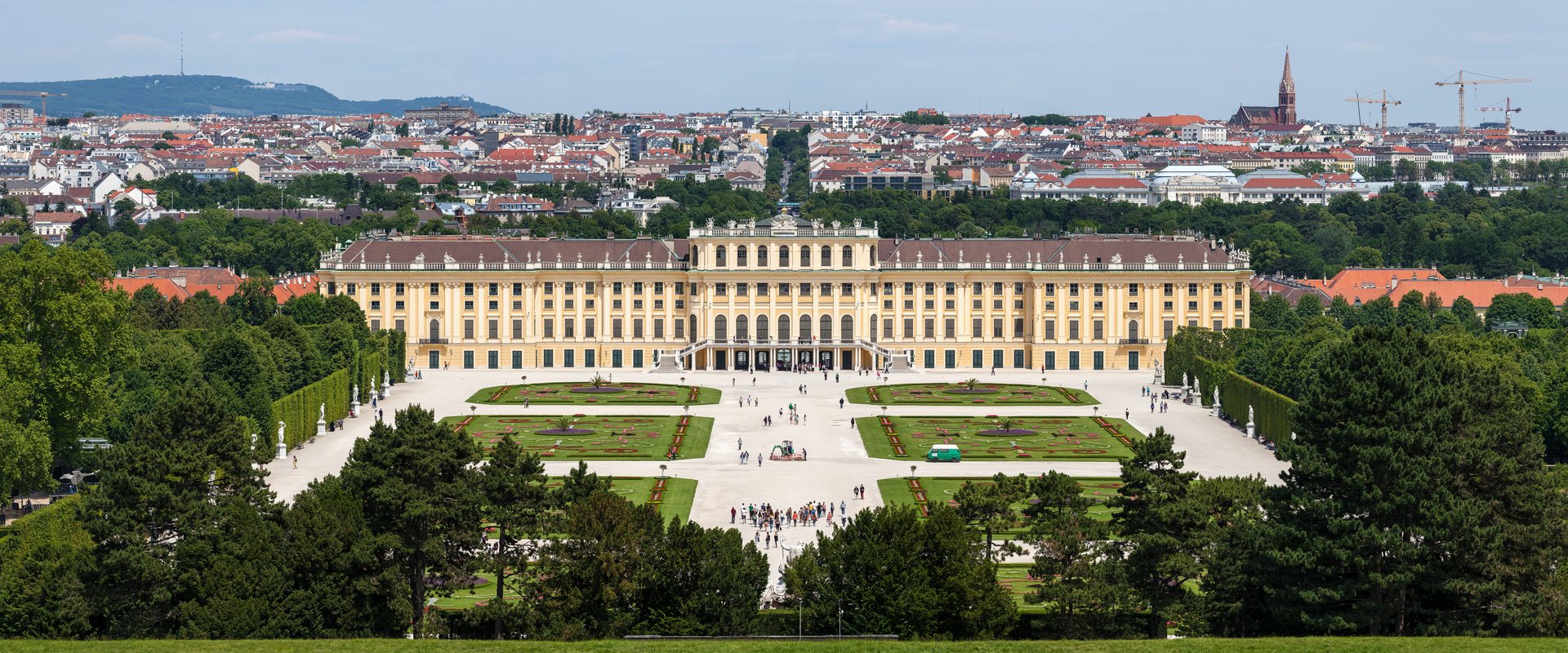
Austria offers exceptional education at remarkably low cost, with the University of Vienna (#130 QS) and TU Vienna (#187 QS) being Central Europe’s finest universities. EU students pay only €363/semester; non-EU students pay €726/semester. Vienna has been ranked the world’s most livable city by Mercer for 12 consecutive years, offering an unmatched blend of imperial culture, classical music, world-class cuisine, and student life.
Why Study in Austria? Key Facts for 2026
| Factor | Details |
|---|---|
| Tuition Fees | €363/semester (EU) / €726/semester (non-EU) at public universities |
| Living Costs | €900–1,300/month (Vienna: €1,100–1,500) |
| Student Visa | National Visa (Type D) – Studierendenvisum |
| Language | German B2 (+ limited English-taught programs) |
| Academic Year | September/October start (some: February/March) |
Source: OECD Education at a Glance 2024, official government immigration websites, QS World University Rankings 2026. Last updated: February 2026.
What Are the Top Universities in Austria?
| University | Best For | Global Ranking |
|---|---|---|
| University of Vienna | Law, Philosophy, Sciences, Medicine | #130 QS |
| TU Vienna | Engineering, Architecture, Sciences | #187 QS |
| Vienna University of Economics (WU) | Business, Economics, Law | Top 100 Business Europe |
| University of Innsbruck | Sciences, Medicine, Law | Top Austria |
| Medical University of Vienna | Medicine, Dentistry, Pharmacy | #1 Medical AUT |
What Scholarships Are Available in Austria?
| Scholarship | Details |
|---|---|
| Ernst Mach Grant | Full funding for master’s thesis research in Austria |
| Franz Werfel Scholarship | For French-speaking students at Vienna universities |
| OeAD Grants | Various; bilateral exchange scholarships |
| University merit scholarships | €1,000–5,000; varies by institution |
How Do You Apply to Universities in Austria?
- 1. Apply directly to Austrian universities (deadlines: January 1 for summer; June 1 for winter semester)
- 2. Have your home country qualifications recognized (Nostrifizierung if required)
- 3. EU citizens: register at the Austrian Magistrat (municipal authority) – no visa needed
- 4. Non-EU: Apply for Austrian National Visa (Type D) at Austrian embassy/consulate
- 5. Required: admission letter, German B2 certificate, financial proof (€900/month), health insurance
- 6. Apply for Residence Permit (Aufenthaltstitel) within Austria after arrival
- 7. Register at Meldeamt (residents’ registration office) within 3 days of arrival
Frequently Asked Questions
How cheap is it to study in Austria?
Very affordable. EU students pay €363/semester (~€726/year) in tuition; non-EU students pay €726/semester (~€1,452/year). These fees include enrollment and student services. Combined with Vienna’s excellent public transport (annual pass ~€365), the total annual cost of studying in Austria is among Europe’s lowest for quality of education received.
Do I need to speak German to study in Austria?
For most programs at Austrian public universities, German B2 is required. Austria has fewer English-taught programs than Germany or the Netherlands. However, Vienna University of Economics (WU Wien) and some TU Vienna master’s programs offer English-medium instruction. Private universities in Vienna (Webster, Modul, Lauder Business School) are primarily English-taught.
Why is Vienna considered the world’s most livable city?
Vienna has topped Mercer’s Quality of Living Index for 12 consecutive years due to: exceptional public infrastructure (metro, trams, cycling), affordable and reliable public transport, cultural richness (opera, museums, coffee houses), safety, healthcare quality, and green spaces. 30% of Vienna is parks and forests. The city combines Habsburg imperial grandeur with modern efficiency.
What is the study system in Austria?
Austria’s universities follow the Bologna Process (bachelor’s 3 years + master’s 2 years). Austria also has Fachhochschulen (universities of applied sciences) focused on practical, career-oriented education. The Technische Universität (TU) Wien specializes in engineering and architecture. Kunstuniversitäten (arts universities) include the Academy of Fine Arts Vienna and the Mozarteum in Salzburg.
Can I work while studying in Austria?
Yes. International students (EU and non-EU with valid residence permit) can work 20 hours/week in Austria during studies. The Austrian minimum wage is €10.25–13/hour depending on collective agreement. Vienna’s service sector, retail, and hospitality offer student jobs. Students from non-EU countries may need to inform the Austrian Public Employment Service (AMS) for some work.
What is Vienna’s international student life like?
Vienna is home to 80,000+ students from 170+ countries across its many universities. The Viennese coffee house culture (Kaffeehauskultur) is a UNESCO Cultural Heritage, providing unique social spaces for students. Vienna’s Ball season (November–April), Christmas markets, free museum nights, and the Vienna Philharmonic New Year’s Concert are cultural highlights. Vienna is genuinely affordable for a major European capital.
Information on this page is compiled from official government immigration sources, OECD data, and university websites. Last verified: February 2026.